


The End of the Guest-Only Drawing Room
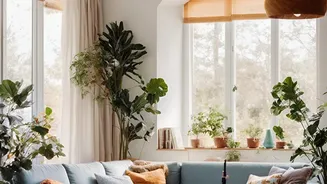
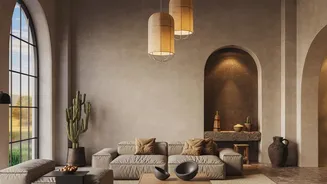
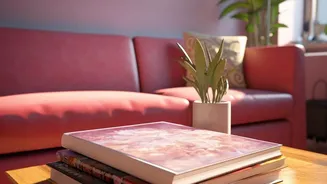
The traditional Indian 'drawing room' was once a space of prestige, meticulously maintained but sparsely used. It was a formal chamber designed to impress visitors, with imposing sofas and a sense of untouchable order. But the pandemic and the subsequent
rise of hybrid work culture have permanently altered our relationship with our homes. This shift has rendered the guest-only space obsolete. Homeowners are now focused on utility and experience over pure display, turning every square foot into a functional part of daily life. The living room is no longer just for special occasions; it's for living, in every sense of the word.
A Catalyst for Change: Work-From-Home
The widespread adoption of remote work was the primary catalyst for this domestic revolution. What began as a temporary measure with laptops on dining tables quickly evolved into a demand for permanent, dedicated workspaces. This created a unique challenge in typically compact Indian urban homes, where creating a separate office wasn't always possible. Consequently, the living room had to adapt, becoming a part-time office. This spurred a demand for ergonomic and space-saving furniture, as well as smart design solutions that could seamlessly integrate work life into the home environment without causing chaos.
Beyond the Desk: A Hub for Everything
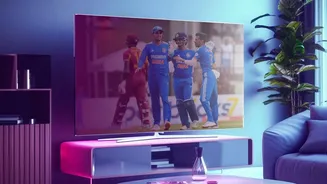
The living room's transformation didn't stop at becoming a workspace. It also became a makeshift classroom for children, a gym for home workouts, a cinema for family movie nights, and a video call studio for connecting with loved ones. This convergence of activities in a single room demanded unprecedented flexibility. The need for quiet corners for concentration clashed with the need for open areas for family activities. This complexity pushed homeowners and designers to think beyond just adding a desk and chair, and instead to fundamentally reconsider the entire layout and purpose of the home's primary communal area.
Design's Answer: The 'Broken-Plan' Layout
In response to this need for both connection and separation, a design trend known as 'broken-plan' living is gaining significant traction in India. Unlike traditional open-plan layouts that merge everything into one large area, the broken-plan concept uses clever divisions to create distinct zones without building solid walls. Think glass partitions, stylish bookshelves used as dividers, different flooring materials, or even split-level layouts to subtly separate the work area from the relaxation zone. This approach maintains a sense of spaciousness and light while providing the necessary privacy and functional separation that modern family life demands, making it a perfect fit for Indian apartments.
The Rise of Hardworking Furniture
This shift in living is fueling a boom in the market for multifunctional furniture, which is projected to grow significantly in India. Consumers are actively seeking out smart, adaptable pieces that serve multiple purposes. Sofa-beds, extendable dining tables that double as large workstations, coffee tables with hidden storage, and modular shelving units are no longer niche items but essentials for the modern home. The demand is for furniture that is not only space-efficient but also aesthetically pleasing, blending seamlessly into a home's decor. This trend reflects a broader move towards mindful, sustainable living, where one versatile, high-quality piece is preferred over several single-purpose items.