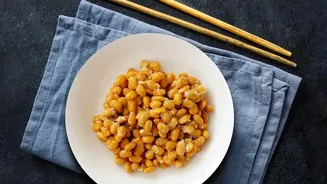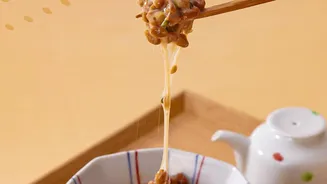

The secret to better gut health might already be in your kitchen. Long before probiotic supplements became popular, Indian culinary traditions perfected the art of fermentation, creating delicious foods packed with gut-friendly bacteria.
The Fermentation Foundation
At its core, fermentation
is a natural process where microorganisms like bacteria and yeast break down carbohydrates into other substances, such as lactic acid. This process not only preserves food but also transforms it, creating beneficial bacteria known as probiotics. When we eat these foods, we introduce these 'good' bacteria into our digestive system. A balanced gut microbiome—the community of trillions of microbes in your intestines—is crucial for everything from digestion and nutrient absorption to immune function. Traditional Indian cuisine, with its vast array of fermented dishes, offers a delicious and natural way to support this internal ecosystem.
Idli and Dosa: The South Indian Powerhouses
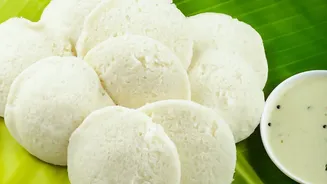
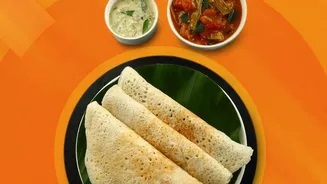
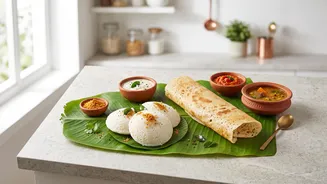
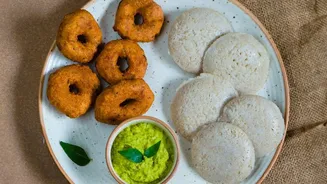
The fermented batter of rice and urad dal used to make idli and dosa is a prime example of gut-friendly food. The fermentation process allows for the growth of lactic acid bacteria, including strains like Lactobacillus. While the heat from cooking can reduce the number of live probiotics, the fermentation process itself offers significant benefits. It breaks down the complex starches and proteins in the batter, making the nutrients easier for your body to absorb and digest. This pre-digestion can reduce bloating and heaviness. Furthermore, these foods contain prebiotics—fibre from the rice and dal that feeds the good bacteria already in your gut, helping them thrive.
Dahi: The Everyday Probiotic Hero
Perhaps the most common fermented food in India, dahi (curd) is a probiotic powerhouse. Homemade curd, created by fermenting milk with a starter culture, is rich in live bacteria such as Lactobacillus acidophilus and Streptococcus thermophilus. Regular consumption of dahi helps replenish the gut's beneficial bacteria, which can aid digestion, soothe an upset stomach, and improve immunity. Since over 70% of the immune system resides in the gut, a healthy microbiome supported by dahi can strengthen your body's natural defences. It's an incredibly versatile food that can be enjoyed plain, as raita, or in smoothies.
Dhokla: The Spongy, Steamed Delight
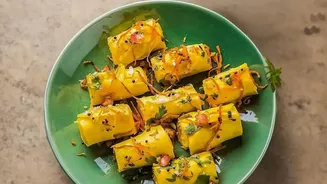
Hailing from Gujarat, this fluffy, savoury cake is made from a fermented batter of gram flour (besan) and sometimes rice. The fermentation process not only gives dhokla its characteristic airy texture but also enhances its nutritional profile. It makes the proteins more digestible and increases the bioavailability of nutrients. While steamed and not raw, dhokla is celebrated for promoting a healthy gut microbiome and being easy on the digestive system. It's also high in protein and fibre, which contributes to a feeling of fullness and supports regular bowel movements.
Kanji: The Tangy Probiotic Drink
This traditional North Indian beverage is a tart, fermented drink typically made from black carrots, beetroot, and mustard seeds. Left to ferment in the sun, kanji develops a wealth of probiotics that are excellent for gut health. It aids digestion, helps reduce bloating, and can improve nutrient absorption. Beyond probiotics, kanji is rich in antioxidants from the carrots and contains compounds from mustard seeds that have antimicrobial properties. This low_calorie drink is a refreshing way to hydrate the body while delivering a dose of beneficial microbes.
Achaar: The Traditional Fermented Pickle
While not all pickles are probiotic, traditionally made Indian achaar that relies on natural fermentation with salt and sun is a fantastic source of gut_friendly bacteria. Unlike pickles made with vinegar, which is acidic and prevents bacterial growth, lacto_fermented pickles made from mango, lemon, or chillies develop beneficial Lactobacillus strains. These probiotics help balance gut flora and support digestion. The spices used, such as turmeric, fenugreek, and mustard seeds, also offer their own anti_inflammatory and antioxidant benefits. Remember to enjoy achaar in moderation due to its high salt and oil content.