

Nature's Grand Revival
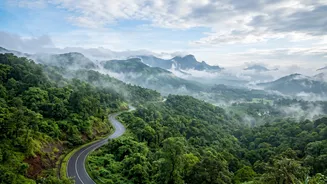
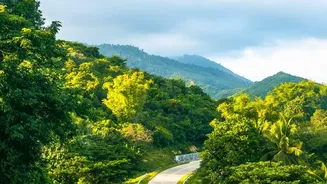
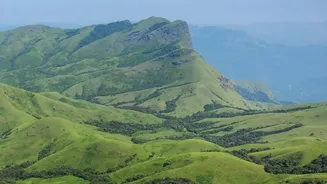
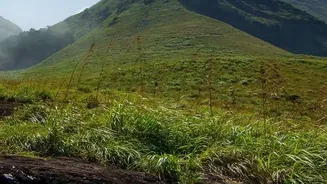
The period from September to November offers a magical window for travel. The monsoon has washed the landscape clean, leaving behind a saturated, vibrant world. The forests, a mix of evergreen and deciduous trees, are at their thickest and most lush.
This 'afterglow' of the monsoon means the environment is teeming with life, from wildflowers carpeting the forest floor to the chorus of insects and birds. The moisture-heavy air is clean and invigorating, turning a simple drive into a sensory experience of renewal. The mountains, which act as a barrier to the monsoon winds, receive immense rainfall, and this post-monsoon period is when their beauty peaks without the challenge of torrential downpours.
Route 1: The Waterfall Wonderland of Malshej Ghat, Maharashtra
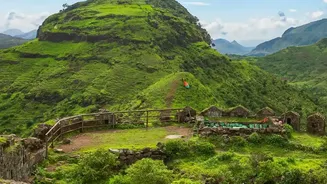
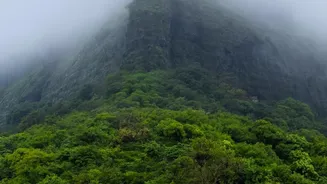
A legendary route for weekend warriors from Mumbai and Pune, the drive to Malshej Ghat is a spectacle of water and mist. While stunning during the peak monsoon, the post-monsoon phase offers better road visibility while the waterfalls are still active and magnificent. The road winds through the Sahyadri range, and it’s not uncommon to drive directly through low-hanging clouds and lingering fog. Countless cascades, from gentle streams trickling down rock faces to powerful torrents, line the route. Some even spill onto the tarmac, making for a thrilling drive. The panoramic views of deep valleys and green plateaus are clearer and more expansive after the heaviest rains have passed.
Route 2: The Coffee-Scented Hills of Coorg, Karnataka
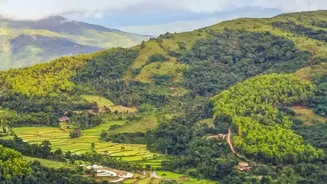
The drive from Bangalore to Coorg is a journey into the heart of India's coffee country. Post-monsoon, the sprawling coffee and spice plantations are impossibly green and fragrant. The route, particularly NH275 via Mysore and Kushalnagar, is generally in good condition and offers a smooth ride into the hills. As you ascend, the air cools, and the landscape becomes a rolling tapestry of misty hills and dense forests. Key attractions like Abbey Falls are at their most powerful and picturesque during this time. Driving through this region offers a rejuvenating escape, with the promise of a fresh brew and serene homestay views waiting at your destination.
Route 3: The Wild Beauty of Chalakudy to Valparai, Kerala & Tamil Nadu
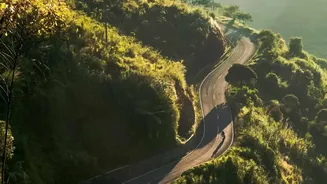
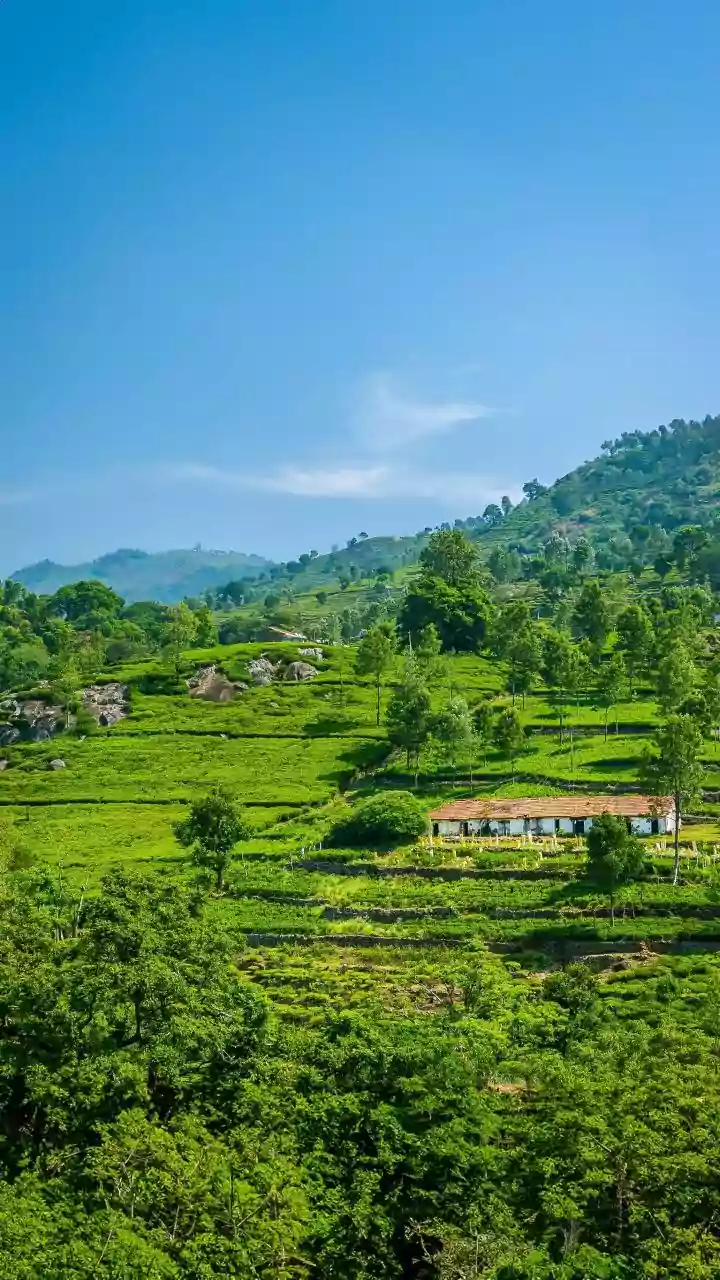
This is arguably one of the most dramatic and biodiverse routes in the Western Ghats. The road from Chalakudy in Kerala to Valparai in Tamil Nadu cuts through the dense Sholayar rainforest. The drive begins near the majestic Athirapally and Vazhachal waterfalls, which are thunderous after the rains. As you pass the forest check post, the journey becomes an adventure with sharp hairpin bends, narrow roads, and the high possibility of spotting wildlife like elephants. The route is lined with tea plantations that emerge from the mist as you climb towards Valparai. It's a drive that demands your full attention but rewards you with an unparalleled feeling of being immersed in raw, untamed nature.
Route 4: The Misty Serenity of Amboli Ghat, Maharashtra
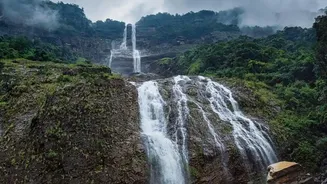
Connecting the coastal plains with the Deccan plateau, Amboli Ghat is known as one of the wettest places in Maharashtra and is a designated biodiversity hotspot. A drive here post-monsoon is a journey through serene, mist-covered landscapes. The main Amboli Waterfall is a major draw, but the entire ghat is dotted with smaller, equally beautiful cascades. The route is a favourite for those travelling from Goa, offering a complete change of scenery from beaches to cool, dense forests in just a couple of hours. Viewpoints like Kavlesad Point offer stunning vistas of the surrounding valleys, making it a perfect, slow-paced drive for nature lovers and photographers.