






The Great Dry Escape
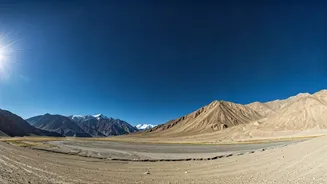
July is a month of dramatic contrasts in India. As the plains and coastal regions are drenched by the monsoon, Ladakh remains exceptionally dry and sunny. Nestled in the rain shadow of the great Himalayan range, this high-altitude desert receives minimal
rainfall, making it the perfect escape for those seeking clear blue skies and open roads. Daytime temperatures in Leh, the region's capital, are pleasantly warm, averaging between 21°C and 25°C, though nights remain cool. This weather window unlocks the entire region for exploration when other mountain passes in the country are often closed. Both the Manali-Leh and Srinagar-Leh highways are fully operational, offering legendary road trip opportunities into this starkly beautiful land.
Landscapes in High Definition
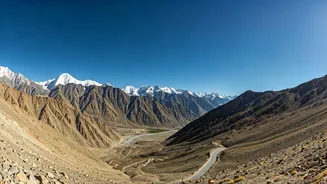
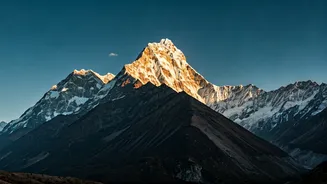
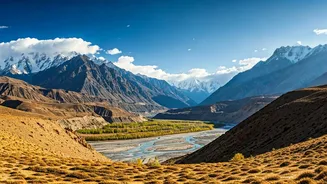
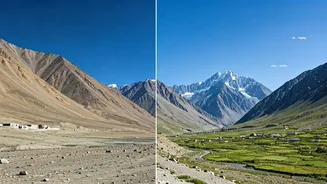
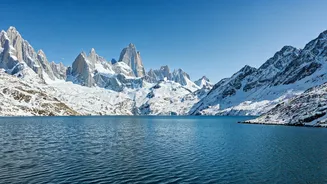
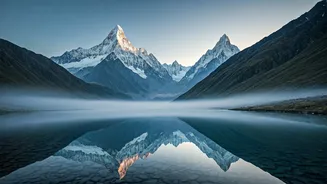
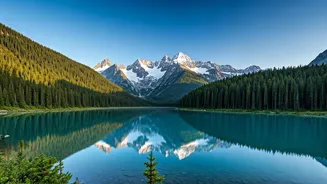
The clear July weather brings Ladakh’s dramatic landscapes into sharp focus. The iconic Pangong Tso, a high-altitude lake that stretches into Tibet, shimmers in brilliant shades of blue under the summer sun. The Nubra Valley, accessed via the formidable Khardung La pass, reveals its surprising combination of sand dunes, lush villages, and the unique double-humped Bactrian camels. With all internal roads open, access to remote jewels like Tso Moriri lake and the Zanskar Valley is at its peak. This is the season for photographers and adventurers, when the raw, unfiltered beauty of the mountains, monasteries perched on cliffs, and winding river valleys is fully accessible.
A Calendar of Culture
July is not just about landscapes; it’s a vibrant time for culture in Ladakh. While the dates for the famous Hemis Tsechu festival often fall in late June, several other significant monastic festivals light up the July calendar. Travellers might be able to witness events like the Phyang Tsedup at Phyang Monastery or the Korzok Gustor at Korzok Monastery by the shores of Tso Moriri. These festivals are a riot of colour and sound, featuring masked dances (cham) performed by monks in elaborate silk robes, telling ancient stories of the triumph of good over evil. They offer a profound glimpse into Ladakh's deep-rooted Tibetan Buddhist traditions.
The Adventurer's Prime Time
For adrenaline seekers, July is arguably the best month to be in Ladakh. The snowmelt swells the Indus and Zanskar rivers, creating thrilling rapids perfect for white-water rafting, with options for both beginners and experts. The clear, stable road conditions make the region a paradise for motorcyclists, who flock here to ride the legendary high-altitude passes. Trekking routes like the Markha Valley are in their prime, offering stunning vistas and homestay experiences in remote villages. From mountain biking to wildlife spotting in Hemis National Park, the long, sunny days provide ample opportunity for every kind of outdoor adventure.
Your High-Altitude Checklist
A trip to Ladakh requires careful preparation, primarily due to the altitude. The most critical rule is acclimatization. Upon arriving in Leh (3,500 metres), it is essential to rest for at least 48 hours to allow your body to adjust to the lower oxygen levels before proceeding to higher altitudes. Hydration is key, so drink plenty of water. Packing should be done in layers: thermal inners, fleece jackets, and a windproof outer layer are essential as temperatures can drop significantly, especially at night and on high passes. The sun's UV rays are incredibly strong at this altitude, so sunscreen, sunglasses, and a hat are non-negotiable. As July is peak tourist season, booking flights and accommodation well in advance is highly recommended to avoid disappointment.