






The Lassi We Know and Love
For generations, lassi has been a cornerstone of Indian summers. In its purest form, it's a simple, nourishing blend of yoghurt, water or milk, and a touch of salt (namkeen lassi) or a minimal amount of sugar (meethi lassi). This traditional drink is celebrated
for good reason. It’s a fantastic source of probiotics, which are essential for gut health, and packed with calcium for strong bones. It’s also incredibly hydrating, helping to replenish fluids and electrolytes lost in the sweltering heat. The protein in the yoghurt provides a feeling of fullness, making it a sensible and satisfying choice.
The 'Overloaded' Transformation
Somewhere along the way, the humble lassi transformed into a decadent dessert. Walk into many cafes, juice bars, or street food stalls today, and you’ll find 'special' or 'royal' lassis that barely resemble the original. These are often towering concoctions, piled high with ingredients designed more for Instagram appeal than for health. We’re talking about lassis blended with scoops of ice cream, swirled with flavoured syrups, loaded with rabri, and topped with everything from chocolate sauce and sugar-coated nuts to chopped-up candy bars. While visually impressive, this evolution has turned a healthy drink into a sugar-laden indulgence.
Deconstructing the Sugar Content
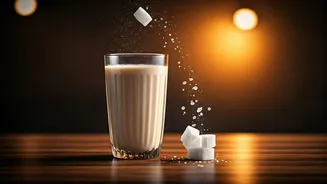
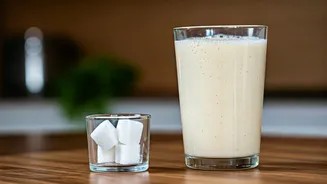
The problem lies in the layers of added sugar. A simple homemade meethi lassi might contain one or two teaspoons of sugar. In contrast, an overloaded commercial lassi can contain a staggering amount. The primary culprits include: * **Fruit Syrups and Purees:** Mango lassi is a favourite, but many commercial versions use sweetened mango pulp or artificial syrups instead of fresh fruit. These can add several teaspoons of sugar on their own. * **Added Ice Cream or Rabri:** A single scoop of vanilla ice cream can contain 15-20 grams of sugar. Adding rich, sweetened rabri further escalates the sugar and fat content. * **Sweetened Yoghurt:** Some places start with pre-sweetened yoghurt, adding a base layer of sugar before anything else is even blended in. * **Generous Toppings:** That drizzle of chocolate or rose syrup, the candied fruits (tutti frutti), and sugar-dusted nuts all contribute to the final tally. A single large, overloaded lassi can easily contain more sugar than a can of cola, often exceeding the recommended daily intake for an adult in just one glass.
How to Spot a High-Sugar Lassi
Navigating the lassi menu doesn't have to be a minefield. A few simple clues can help you identify a potential sugar trap before you order. Be wary of descriptive words like 'royal,' 'shahi,' 'special,' or 'loaded'—these often signal a dessert-style drink. Look at the toppings bar; if you see syrups, ice cream tubs, and candy, it’s a clear sign. Don't be afraid to ask questions. Enquire if they use fresh fruit or sweetened pulp, and ask if it's possible to get your drink with less sugar or no sugar at all. If you’re at a place where the lassi is pre-made and poured from a large container, it’s almost certainly been sweetened already.
Tips for Smarter Sipping
You can still enjoy lassi without sabotaging your health goals. The best option is often the simplest. Opt for a classic namkeen lassi for a savoury, refreshing, and sugar-free experience. If you prefer it sweet, ask for a plain meethi lassi and specify 'kam cheeni' (less sugar). The ultimate way to control what’s in your glass is to make it at home. Blend good-quality, plain full-fat yoghurt with water or milk, and if you want a fruit flavour, add fresh, whole fruit like mango, banana, or berries. This way, you get the sweetness and fibre from the fruit itself, without the need for processed syrups or extra sugar.