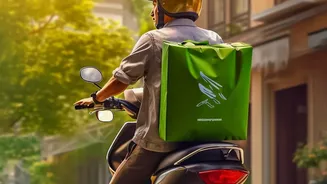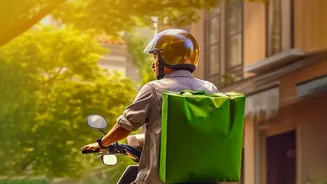






The launch of Grand Theft Auto VI is more than a gaming phenomenon; it's a full-blown cultural moment. But beyond the billions in game sales, a fascinating side-effect is playing out in kitchens and on doorsteps across the country.
The Grand Theft Auto Effect
After a 13-year wait,
the arrival of GTA VI on November 19th triggered a predictable frenzy of game downloads, streaming, and social media chatter. It is, by all accounts, one of the biggest entertainment launches in history, with projected sales expected to dwarf Hollywood blockbusters. But the ripple effect extends far beyond the digital world. Food delivery platforms have reported significant surges in orders, confirming a long-observed trend: when a massive new game drops, players stay in, and they order out. Data from delivery giants like DoorDash and Uber Eats shows a clear spike in late-night orders for classic 'gaming food'—pizza, burgers, and chips—coinciding directly with the game's release. In Miami, the real-world inspiration for the game's Vice City, late-night orders jumped by as much as 30%.
Why Gamers Don't Cook
The logic is simple. Immersive, open-world games like GTA VI are designed to be played for hours on end. For dedicated fans, many of whom took paid time off just to play, stepping away from the screen to chop vegetables and cook a meal is an unwelcome interruption. Convenience becomes paramount. Research and consumer data have long shown that a huge percentage of gamers—around 80%—regularly eat and drink while playing. They prefer quick, easy-to-handle options that don't require leaving their setup. This creates a perfect storm where the demand for fast, delivered meals isn't just a preference, it's a practical necessity for an uninterrupted marathon session in Vice City.
A Calculated Business Play
The food and delivery industries are not just passive beneficiaries of this trend; they are active participants. The link between gaming and fast food is a well-established marketing frontier. For years, brands have understood that gamers are a key demographic. In the weeks and days surrounding the GTA VI launch, food delivery apps rolled out targeted promotions and discount codes, some cheekily named with nods to gaming culture, like Grubhub's 'OUTOFOFFICE' code. Quick-service restaurants also got in on the action. Popeyes launched a limited-time 'Spice City Sandwich', while McDonald's promoted one-handed-eating options like McNuggets through deals on Uber Eats, explicitly so fans could 'keep their focus on the game'. This isn't just advertising; it's a sophisticated strategy of integrating their products into a massive cultural event.
More Than Just Pizza and Burgers
While carb-heavy comfort foods are the traditional stars, the launch-night data reveals a broader shopping list. Orders for energy drinks soared by over 20%, as players prepared to stay up all night. Uber Eats reported a 95% jump in orders for Red Bull Watermelon and a 54% increase for Totino's Pizza Rolls. The trend also exposed last-minute preparations, with DoorDash seeing a staggering 450% surge in orders for gaming controllers and a 440% jump for HDMI cables. This demonstrates that for a launch of this magnitude, players are turning to delivery apps as a one-stop-shop for everything they need to fuel their experience, from calories to console accessories. The modern gamer's diet during a launch isn't just about indulgence; it's about endurance.
The Bigger Economic Picture
The 'GTA VI effect' on food delivery is a powerful illustration of the expanding creator and at-home economy. A single entertainment product can generate billions in revenue for its publisher while also creating a significant, measurable lift for adjacent industries. It highlights a behavioral shift where major cultural moments are experienced less in public squares and more from the living room couch—with an ecosystem of businesses ready to cater to every need. The few million dollars in extra pizza and burger sales are a drop in the bucket compared to the game's multi-billion-dollar haul, but they represent a fundamental change in how commerce and culture intersect. As gaming solidifies its place as a dominant form of entertainment, its influence on our real-world habits, from what we eat to how we shop, will only continue to grow.