



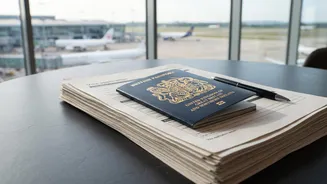
The thrill of planning a trip is often tempered by the reality of paperwork. For a growing number of people, complex entry rules are no longer just a hassle—they're a dealbreaker, with 43% now rethinking destinations because of them.
A Major Shift in Traveller Priorities
International travel
is bouncing back, but the way people decide where to go is changing. According to the 2026 Global Passenger Survey from the International Air Transport Association (IATA), a staggering 43% of travellers said they were discouraged from visiting a destination due to its immigration requirements. This marks a significant jump from 33% in 2025, showing that entry hurdles are becoming a primary factor in travel planning. The data, gathered from over 10,000 travellers across more than 200 countries, signals a clear message: the easier it is to enter a country, the more likely tourists are to visit. For many, the dream of a destination is being overshadowed by the nightmare of its bureaucracy.
The Complexity Conundrum
It’s not just about the money. While visa fees can be a factor, the IATA survey revealed that the sheer complexity of the process is the biggest deterrent. Over half (53%) of those put off by entry rules cited complicated procedures as the main reason. This can include navigating confusing government websites, gathering extensive documentation like bank statements and employment letters, and facing long, uncertain waiting periods for appointments and approvals. For Indian travellers, destinations like the United States, the UK, and the Schengen Area are notoriously difficult, with high scrutiny and demanding paperwork. This administrative burden turns what should be an exciting planning phase into a stressful ordeal, pushing travellers toward destinations that offer a smoother path.
The Rise of Digital Red Tape
In a digital-first world, you might expect entry processes to be getting simpler. Instead, a new form of 'digital red tape' is emerging. Even for visa-free travel, many countries now require pre-travel authorisations. Systems like the US Electronic System for Travel Authorization (ESTA) and the UK's Electronic Travel Authorisation (ETA) are becoming more common. Europe is also rolling out its own Entry/Exit System (EES) and the European Travel Information and Authorisation System (ETIAS), adding another layer of requirements for previously exempt visitors. While intended to streamline security, the proliferation of different systems, each with its own rules and fees, can create confusion and add another task to a traveller's pre-flight checklist. Forgetting this step or making an error on the form can lead to being denied boarding at the airport.
The Allure of Hassle-Free Horizons
As some doors become harder to open, others are swinging wide. Countries that facilitate easier entry are reaping the rewards. Policies like visa-free access, visa-on-arrival, and efficient e_visa systems are powerful magnets for modern tourists who value convenience and predictability. Travellers are increasingly opting for destinations where entry is a simple online form or just a stamp in their passport upon arrival. This trend benefits not only the tourists but also the host countries, which often see a significant boost in visitor numbers and spending. In response to traveller preferences, a majority of people (86%) now say they are willing to share their immigration information digitally before departure to speed up the process. The demand is clear: travellers want to spend more time enjoying their destination and less time figuring out how to get there.