








The New Recipe for Stardom
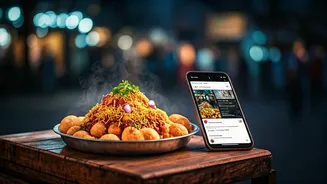
In the vibrant landscape of Indian street food, a digital revolution is taking place. Once reliant on word-of-mouth and a loyal local clientele, street food vendors are now capturing the attention of millions through short-form videos on platforms like
Instagram. A 30-second clip showcasing a unique style of preparing a dish can transform a humble cart into a must-visit destination. This phenomenon is driven by the power of social media to democratize marketing, allowing small entrepreneurs with limited resources to achieve widespread visibility at virtually no cost. [7, 12] Through creative hashtags, geo-tagging, and the sheer shareability of engaging content, these vendors are expanding their reach far beyond their immediate neighbourhoods. [7]
From Cook to Performer: The 'Flying Dosa' Effect
The key to this newfound celebrity is often performance. It's not just about the taste of the food anymore; it's about the spectacle of its creation. Take the famous 'flying dosa' vendor from Mumbai, who gained notoriety for flipping dosas high into the air before they land perfectly on a plate. [6] A video of his unique serving style garnered over a million likes, turning his stall at Mangaldas Market into a landmark. [6] Similarly, another Mumbai vendor went viral for his 'flying vada pav' technique, where he skillfully tosses the vada in the air with a long spatula. [3] This performative element turns the simple act of cooking into a captivating show, making the content highly shareable and turning the vendors themselves into entertainers.
The Power of the Food Vlogger
Food vloggers and influencers are significant catalysts in this trend. [8] They act as talent scouts, discovering hidden gems and amplifying their stories to a massive audience. A positive review or a feature on a popular foodie's account can put a previously unknown vendor on the map overnight. [12] This symbiotic relationship benefits both parties: the vlogger gets engaging content, and the vendor gets invaluable, free advertising. [8] Studies have shown that the credibility and information quality provided by food vloggers have a direct positive impact on consumer attitudes and purchase intentions towards street food. [9, 10, 11] An American vlogger's encounter with a PhD student named Tarul Rayan selling Chicken 65 in Chennai is a prime example; the video went viral, highlighting Rayan's entrepreneurial spirit and bringing him unexpected fame. [15]
More Than a Meal: The Human Story
Often, the most compelling videos are those that tell a human story. Social media provides a platform for vendors to share their personal journeys, creating a deeper connection with customers. [12] Viewers are drawn to stories of resilience, passion, and entrepreneurship. One viral video featured a vada pav vendor in Mumbai who claimed to earn a significant monthly income, sparking a widespread conversation about the economic potential of street vending. [5] Another video by a TikToker helped a jerk chicken vendor in New York go from a local spot to an international destination, with customers flying in from places like Singapore and London. [13] These narratives remind viewers that behind every food cart is a person with a story, making the experience of eating their food more meaningful.
The Double-Edged Sword of Viral Fame
However, this digital fame is not without its challenges. The pressure to perform consistently and maintain quality for ever-growing crowds can be immense. Negative reviews or online criticism can be damaging, and vendors have little control over the online narrative. [7] Some viral videos have sparked outrage, such as a Mumbai vendor's 'pink sushi' which was criticized online as an 'insult to Japanese culture'. [2] Furthermore, the trend of creating AI-generated, often derogatory, videos of Indian street food for 'dark humour' and online engagement has emerged, which can reinforce negative stereotypes about hygiene and culture. [18] For these reel celebrities, the line between celebrated artisan and online target is precariously thin, forcing them to navigate the complexities of their newfound digital footprint.