


Beyond the Butter Tea
For centuries, 'gur gur chai', or butter tea, has been a staple in high-altitude regions like Ladakh, Tibet, and Nepal, providing essential calories and hydration in harsh climates. Made by churning tea leaves with yak butter and salt, it’s a vital part
of Himalayan hospitality and survival. However, the narrative of Himalayan tea doesn't begin or end with this fatty, salty brew. Long before butter became a common ingredient, and still today in many communities, a different kind of tea culture thrived—one that relied entirely on the wild herbs and plants foraged from the surrounding mountain slopes. This dairy-free approach was born from necessity, resourcefulness, and an intimate knowledge of local botany.
The Original Mountain Brews
In many parts of the Himalayas, particularly in regions like the Zanskar Valley, traditional beverages were simple infusions of local flora. The reliance on foraged ingredients was practical; access to dairy from animals like yaks or cows was not always guaranteed, especially in more remote settlements or among communities that practiced different forms of agriculture. Trade routes that brought compressed tea bricks from China and Tibet dating back to the 7th century laid the groundwork for tea consumption, but the addition of butter became popular much later, around the 13th century. Before that, and existing alongside it, was a culture of brewing what the land provided. These herbal infusions served not just as hydrating beverages but also as local remedies, warming the body and providing essential nutrients.
A Pharmacy in a Cup
The specific herbs used in these dairy-free teas vary from valley to valley, each with a unique purpose. In Ladakh, for example, wild mint is a common ingredient, steeped to create a simple, refreshing tea. Other documented botanicals include wild chamomile, known for its calming properties, and even buckwheat, which creates a nutty-flavoured brew believed to aid digestion. Some communities in Zanskar utilize a variety of endemic plants, whose names are known only in the local dialect, for treating ailments ranging from altitude sickness to inflammation. These are not 'teas' in the traditional sense of using leaves from the Camellia sinensis plant, but rather tisanes or herbal infusions. Ingredients like wild tulsi, nettle, and sea buckthorn were hand-harvested and brewed, offering a direct link between the people and their immediate environment.
The Art of the Herbal Infusion
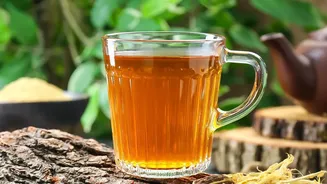
Preparing this herbal tea is a straightforward process, far removed from the vigorous churning required for butter tea. The method usually involves simply boiling dried or fresh herbs in water. The herbs are gathered seasonally and dried for use throughout the year, especially during the harsh winters when the landscape is covered in snow. The resulting drink is clear, aromatic, and deeply connected to the terroir. Unlike the thick, opaque, and salty butter tea, these herbal infusions are light and often have earthy, floral, or minty notes depending on the ingredients. They are consumed throughout the day, offering warmth and a moment of pause in a demanding environment. This practice represents a sustainable and self-reliant way of life, where everything needed for a comforting cup comes directly from the mountains.
Preserving a Fading Tradition
While butter tea and milky, spiced masala chai now dominate the popular perception of Himalayan tea, the older herbal traditions are still alive. They persist in remote villages and among older generations who retain the knowledge of local plants passed down through centuries. As interest grows in foraging, local food systems, and traditional remedies, there is a quiet revival of these 'forgotten' brews. They represent more than just a beverage; they are a taste of the Himalayan landscape itself, a liquid story of resilience, adaptation, and a deep, abiding connection to nature that predates modern trade and convenience. These herbal infusions are a vital chapter in the region's rich culinary history.