
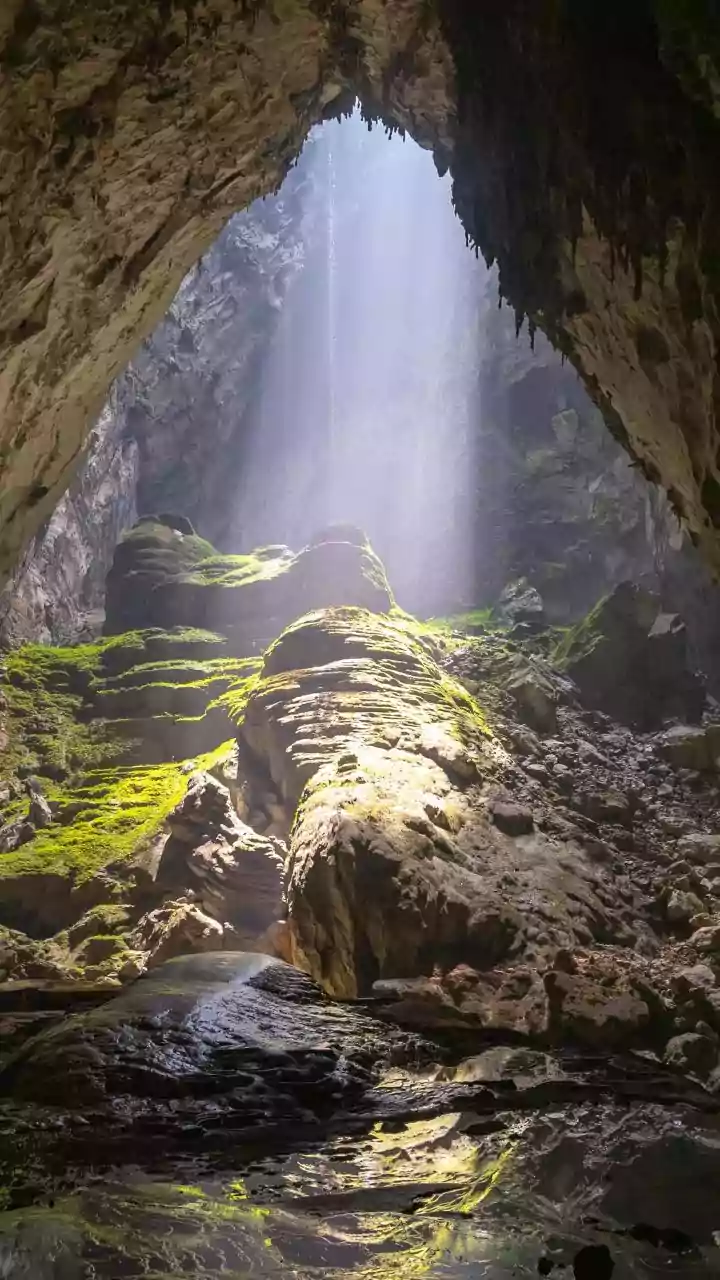



Embrace the Drenched Rainforests
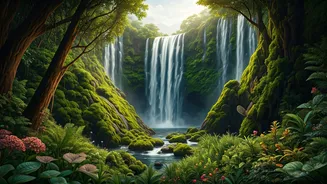
Forget the umbrella; this is the time to get soaked in nature’s grandeur. India's rainforests come alive during the monsoon, offering a sensory experience unlike any other. The air is thick with the scent of wet earth, the sound of dripping leaves is a constant
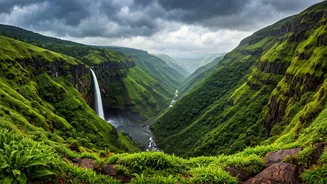
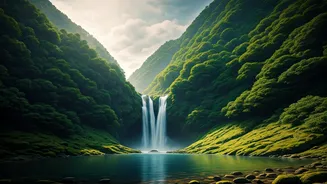
symphony, and the vibrant green is almost blinding. For the ultimate rainforest experience, head to Agumbe in Karnataka. Known as the 'Cherrapunji of the South,' this region is a biodiversity hotspot, teeming with frogs, snakes, and the magnificent King Cobra. The trek to Barkana Falls is challenging but rewarding, with the cascade in its full, roaring glory. Alternatively, explore Kerala’s Silent Valley National Park. This pristine tract of forest is a UNESCO World Heritage Site and remains one of the most undisturbed rainforests in the country. The drive through its buffer zone and the guided treks offer a glimpse into an ancient ecosystem where every leaf and insect tells a story. Remember to pack leech socks and waterproof gear, and prepare to disconnect, as mobile networks are often non-existent here.
Walk Through A Carpet of Flowers
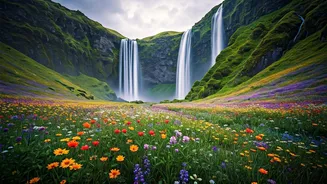
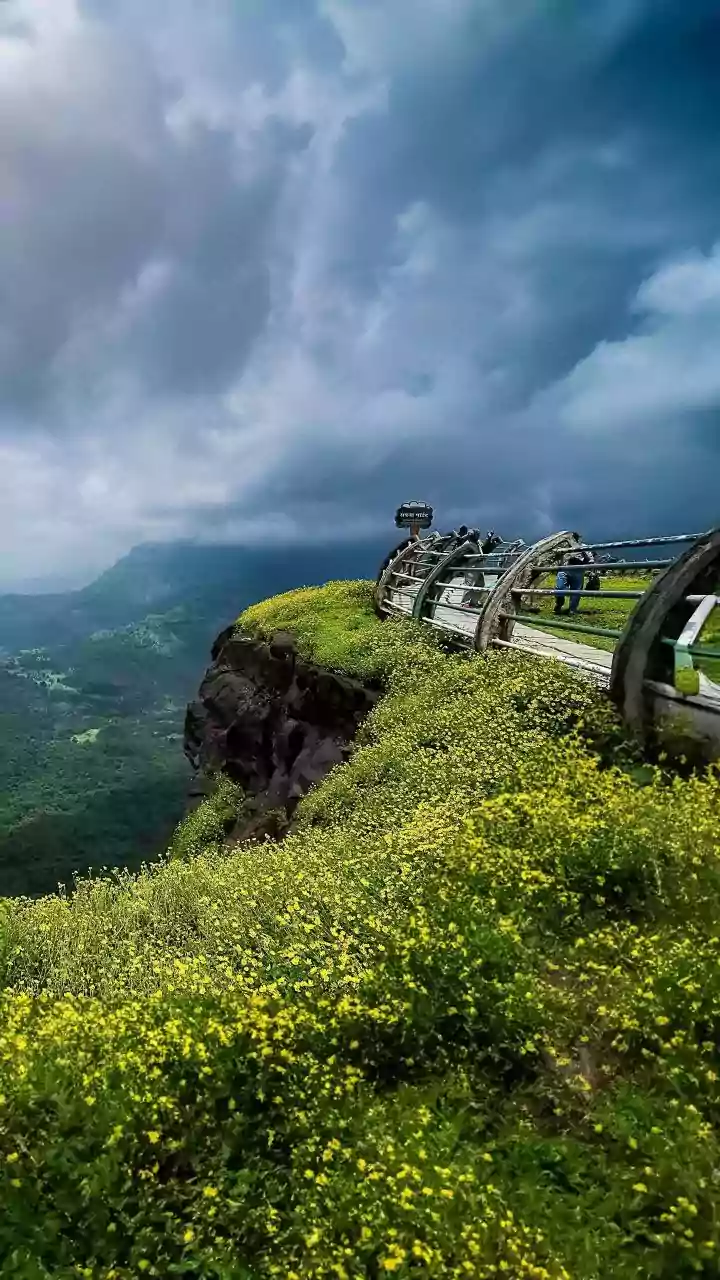
Just as the rains begin to recede, entire hillsides and valleys in India transform into spectacular, temporary gardens. These natural flower trails are a photographer's dream and a hiker's paradise. The most famous of these is the Valley of Flowers National Park in Uttarakhand. From late July to early September, this high-altitude Himalayan valley is blanketed with over 300 species of alpine flowers, including the elusive blue poppy and Brahma Kamal. The trek to the valley is moderately difficult but is an integral part of the experience, taking you through charming villages and breathtaking mountain scenery. For a similar, more accessible experience in the Western Ghats, visit the Kaas Plateau in Maharashtra. Typically blooming from late August to October, this UNESCO World Natural Heritage site becomes a carpet of wildflowers, with vibrant shades of pink, yellow, and purple covering the laterite plateau. It’s a delicate ecosystem, so stick to the designated paths to avoid damaging the flowers. Both destinations require some planning, as visitor numbers are often regulated to protect the fragile environment.
Spot Wildlife in the Lush Wilderness
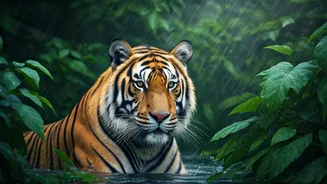
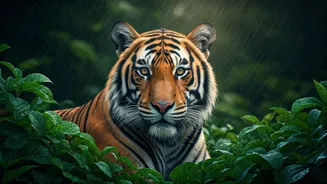
While many national parks close during the peak monsoon, several remain open, offering a unique wildlife viewing experience. The crowds are thinner, the forest is lush and green, and the animals are often more active. Periyar National Park in Kerala is a prime example. It’s one of the few parks in India that remains open all year round. The best way to experience it is via a boat safari on Periyar Lake, where you can spot herds of elephants bathing on the banks, sambar deer, and a variety of birds without the dust and heat of the dry season. Another excellent option is Tadoba-Andhari Tiger Reserve in Maharashtra, which has recently started keeping parts of its buffer zone open for safaris during the monsoon. The landscape transforms, with streams and waterholes filling up. While tiger sightings can be a bit more challenging due to the dense foliage, the overall experience of seeing the jungle in its greenest avatar, along with sightings of leopards, wild dogs, and birds, is truly special. It offers a fresh perspective on the forests you might have visited in other seasons.