






West Germany, 1990: A Unified Classic
Often topping 'best of' lists, the 1990 West Germany home kit is a masterpiece of design. Produced by Adidas, its white base is famously bisected by a bold, geometric pattern featuring the black, red, and gold of the German flag. This shirt was not just
stylish; it was historic. Worn on the way to victory at Italia '90, it was one of the last kits worn by the West German team before the country's reunification. The design was so influential that it was rebooted for Germany's 2018 World Cup campaign, but the original, worn by legends like Lothar Matthäus and Jürgen Klinsmann, remains the undisputed king. Its clean lines and confident use of colour captured a moment in time, symbolising a team at the peak of its powers and a nation on the verge of a new era.
Argentina, 1986: The Canvas for Genius
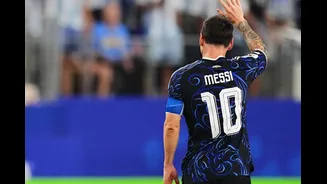
In truth, Argentina's sky blue and white striped jersey is always a classic. But the Le Coq Sportif version from the 1986 World Cup in Mexico is immortal. Why? The answer is two words: Diego Maradona. This was the shirt he wore when he scored both the infamous 'Hand of God' goal and the 'Goal of the Century' in the quarter-final against England. The kit itself is a lesson in simplicity: a classic v-neck and perfect vertical stripes. But its association with Maradona's crowning achievement, leading Argentina to World Cup glory, elevates it to legendary status. Interestingly, the iconic blue away shirt from the England match was hastily sourced from a Mexico City shop just days before the game because the team's cotton alternative was deemed too heavy for the heat.
Nigeria, 2018: A Modern Cultural Phenomenon
Few jerseys have transcended football to become a global fashion event quite like Nigeria's 2018 home kit. Before the tournament in Russia even began, Nike reported three million pre-orders for the shirt, and it sold out within minutes of its release. Inspired by the team's 1994 debut kit, the design featured a vibrant green and white torso with a jagged feather pattern, complemented by black and white sleeves. It was a tribute to Nigerian culture, with the pattern evoking traditional Adire tie-dye textiles. The 'Naija' kit became a symbol of national pride and cool, showing how a football shirt could capture a country's vibrant energy and captivate a global audience far beyond sports fans.
Denmark, 1986: The Daring Danish Dynamite
Denmark arrived at their first-ever World Cup in 1986 with a kit that was as bold and exciting as their attacking football. Designed by Danish brand Hummel, the shirt was famously split into two halves—one solid red, the other featuring thin red pinstripes—creating a unique and futuristic look. This two-tone design was unlike anything else at the tournament and is still considered one of the most beautiful and iconic jerseys ever made. Worn by stars like Michael Laudrup and Preben Elkjær, the 'Danish Dynamite' kit perfectly captured the spirit of a team that thrilled the world, becoming a cult classic for football fans and collectors.
Netherlands, 1974: The Essence of 'Total Football'
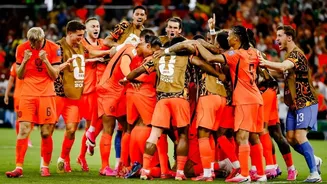
The brilliant orange of the Netherlands is one of football's most recognisable sights. The 1974 kit, worn by the generation that introduced 'Total Football' to the world, is perhaps the most iconic version. The design was simple and powerful: a bright orange body with bold black trim. It became forever linked with the genius of Johan Cruyff. Famously, Cruyff had a personal sponsorship deal with a rival brand and refused to wear the three stripes of the team's kit manufacturer, Adidas. As a result, he wore a custom-made version with only two stripes on the sleeves, making his number 14 jersey even more legendary.
Peru, 1978: The Unmistakable Sash
There is no jersey in international football quite like Peru's. The iconic white shirt with a bold red sash running diagonally across it is instantly recognisable and consistently praised for its elegance. While the design has been a national symbol for decades, the 1978 version worn at the World Cup in Argentina is often cited as the quintessential example. Worn by the legendary Teófilo Cubillas, the simple yet striking Adidas design stood out for its clean look and powerful national identity. It remains a timeless classic, a perfect blend of simplicity and distinction that has made it one of the most beloved kits in the history of the sport.