



The Comeback of a Traditional Staple
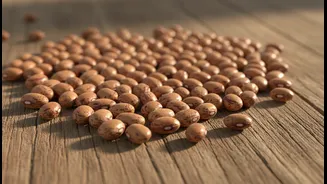
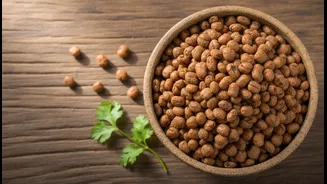
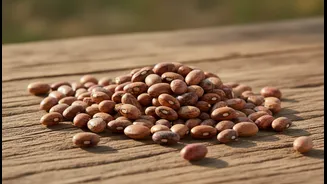
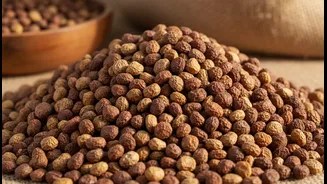
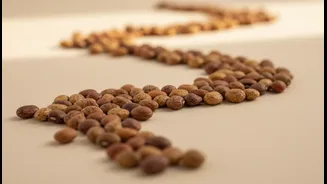
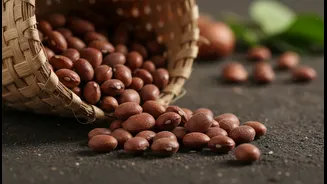
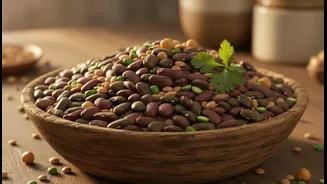
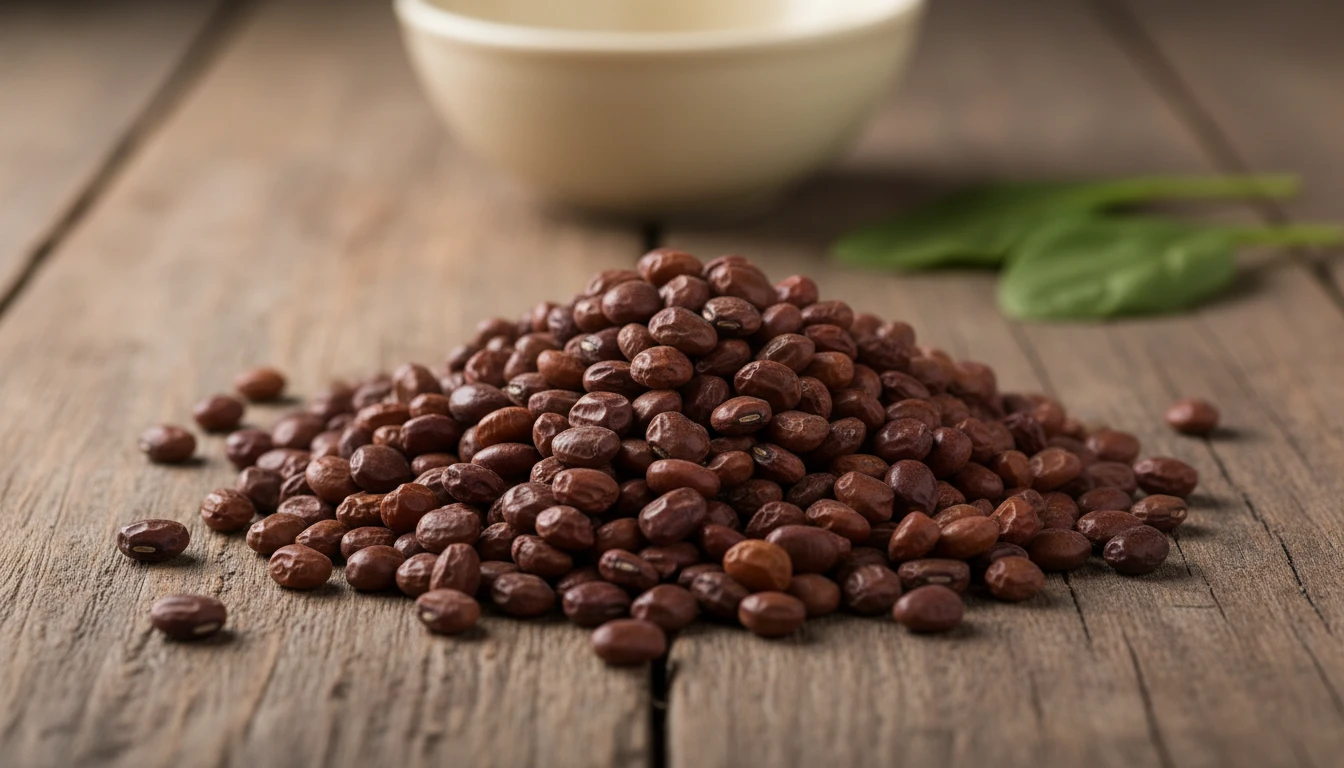
For generations, horse gram was a dietary staple across India, particularly in southern and hilly regions. Known for its hardiness and nutritional density, this legume was traditionally used in warming winter dishes like rasam and dal. Its name comes
from its historical use as a high-energy feed for horses, a testament to its powerful profile. Today, a renewed interest in traditional, local ingredients has sparked a renaissance for horse gram. It's no longer just a rural staple; it is appearing on the menus of urban cafes in hearty soups, innovative salads, and even as a base for protein-rich bowls and snacks, reintroducing a new generation to its earthy flavour.
The Real Nutritional Powerhouse
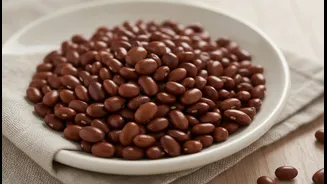
The enthusiasm for horse gram is well-founded, as it boasts an impressive nutritional profile. It is an excellent source of plant-based protein, with about 22 grams per 100-gram serving. It is also rich in dietary fibre, both soluble and insoluble, which aids digestion and promotes a feeling of fullness. This combination of high protein and fibre makes it a valuable addition to any balanced diet. Furthermore, horse gram provides essential minerals like iron, calcium, and phosphorus, which are vital for bone health, energy production, and overall well-being. It's packed with polyphenols and flavonoids, which are compounds known for their antioxidant properties.
Miracle Cure or Marketing Hype?
With the rise of any 'superfood' comes a wave of extraordinary health claims, and horse gram is no exception. It has been touted in traditional medicine for various ailments, from kidney stones to the common cold. Some modern wellness influencers claim it can melt away fat, cure diabetes, or prevent cancer. This is where we need to be careful. While its high fibre content can support weight management and help regulate blood sugar levels, it is not a magic bullet. Most of the dramatic claims, such as curing major diseases, are not supported by strong scientific evidence in humans. These studies are often limited to labs or animals and use highly concentrated extracts, not the whole food. Health experts warn against the dangers of 'miracle food' narratives, which can lead people to delay proper medical treatment. No single food can cure a complex disease, and a healthy lifestyle is always about balance and variety, not a single ingredient.
How to Enjoy Horse Gram at Home
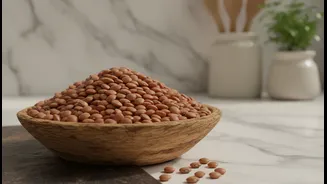
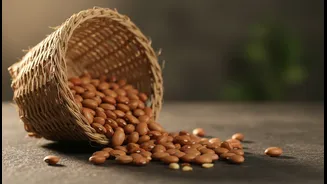
Bringing horse gram into your kitchen is simple. The key is to remember that these lentils are hard and require proper preparation. You must soak them overnight, or for at least eight hours, before cooking. After soaking, they can be pressure-cooked until soft. The cooking water is nutritious and should be retained for use in your dish. From there, the possibilities are endless. You can make a traditional 'kollu rasam', a spicy and warming soup perfect for a chilly day. The cooked lentils can be mashed into a 'subzi' with onions and tomatoes to be eaten with rotis, or blended into a flavourful chutney. Sprouted horse gram makes a crunchy and nutritious addition to salads. You can even grind it into flour to add a protein boost to dosas and idlis.