


Discovering Portugal's Soulful Interior
To truly understand Portugal, you must venture inland. The countryside offers a peaceful alternative to the popular coastal cities, revealing landscapes rich with history and tradition. Two regions in particular capture this spirit: the Alentejo and the Douro
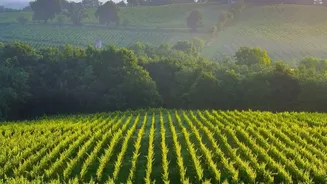
Valley. The Alentejo, meaning 'Beyond the Tagus River', is a vast, sun-drenched region of southern Portugal known for its golden plains, cork forests, and fortified hilltop towns. It's a place where life moves at a slower pace, dictated by the seasons. Further north, the Douro Valley, a UNESCO World Heritage site, presents a dramatic landscape of steep, terraced vineyards carved into the hillsides along the Douro River. It is the world's oldest demarcated wine region and the birthplace of Port wine.
Idyllic Towns to Explore
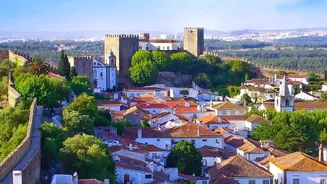
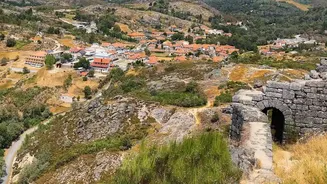
The heart of rural Portugal is found in its small towns. In the Alentejo, seek out Monsaraz, a tiny medieval village of whitewashed houses and schist-paved streets, perched high above the surrounding plains with breathtaking views. Nearby, Castelo de Vide is a charming town of steep, flower-lined lanes with one of the best-preserved medieval Jewish quarters in the country. For something truly unique, Monsanto is an extraordinary village where houses are built into, around, and under giant granite boulders. In the north, Amarante charms visitors with its picturesque São Gonçalo Bridge spanning the Tâmega River and a laid-back, artistic vibe. These towns offer a glimpse into a more traditional way of life, where community gathers in the central square and time seems to slow down.
Getting Around the Countryside
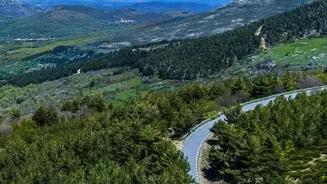
While trains connect major cities, renting a car is essential for the freedom to explore the countryside's winding roads and hidden villages. Driving in rural Portugal is generally calm, with light traffic, though roads in small towns and mountainous areas can be narrow and steep. Be prepared for many roundabouts; the rule is that traffic already in the circle has the right of way. Portugal's motorway network includes electronic tolls, so ensure your rental car is equipped with a transponder device like Via Verde to handle payments automatically. A practical strategy is to mix transport methods: take a train between major cities like Lisbon and Porto, then rent a car for dedicated countryside excursions.
Authentic Accommodations
To fully immerse yourself in the local culture, consider staying in traditional Portuguese accommodations. 'Pousadas de Portugal' are a network of hotels often located in beautifully restored historic buildings, such as castles, monasteries, and convents. Staying in a pousada offers a unique chance to sleep within the walls of a monument, combining history with modern comfort and regional cuisine. Another wonderful option is a 'quinta', which refers to a rural estate or farmhouse, often on a working wine or olive oil property. These farm stays provide an authentic and personal experience of countryside life. For a more intimate, family-run lodging, look for 'Turismo de Habitação', which are guest rooms in historic private homes where the owner is in residence.
The Rhythm of Rural Life
Life in the Portuguese countryside is unhurried. Shops may close for a long lunch break, and dinner is often enjoyed late. Embrace the local pace by lingering over a coffee, browsing a village market, and taking time to simply enjoy the scenery. Many wineries ('adegas') in regions like the Alentejo and Douro offer tours and tastings, providing a delicious way to connect with the local terroir. While English is spoken in many tourist areas, learning a few basic Portuguese phrases like 'olá' (hello), 'obrigado' (thank you), and 'por favor' (please) will be warmly received. The true joy of exploring this side of Portugal is found not in rushing from sight to sight, but in slowing down and appreciating the quiet moments.