






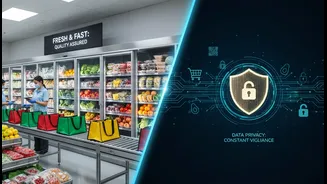


Beyond the 10-Minute Promise
The initial debate surrounding quick commerce focused on the feasibility and social cost of 10-minute deliveries, from traffic concerns to the pressure on riders. While that conversation continues, the focus is expanding to a more fundamental issue: food
safety. Recent actions by the Food Safety and Standards Authority of India (FSSAI), including issuing multiple notices to major player Swiggy Instamart, have highlighted a pattern of consumer complaints. These aren't minor grievances; they involve allegations of receiving expired, rotten, and contaminated products, from baby formula to milk and eggs. This signals a shift in regulatory scrutiny, reinforcing that speed cannot come at the expense of consumer health and statutory compliance.
The Dark Store Dilemma
At the heart of the quick commerce model are 'dark stores'—small, hyperlocal warehouses designed for rapid order fulfillment. India has thousands of these facilities, which are crucial for meeting delivery targets. However, their decentralised nature presents significant challenges for hygiene monitoring and regulatory compliance. Inspections have uncovered violations such as improper food storage, lack of valid FSSAI licences, and unhygienic conditions. The intense pressure for speed can lead to breakdowns in essential processes like stock rotation, leading to expired goods being mixed with fresh ones. The FSSAI requires each dark store to have its own licence and a documented Food Safety Management Plan covering everything from pest control to first-in-first-out inventory management, but enforcement remains a key challenge.
The Cold Chain Challenge
For perishable items like dairy, meat, and frozen goods, maintaining the 'cold chain'—an uninterrupted series of temperature-controlled storage and distribution activities—is non-negotiable. Any break in this chain can compromise product safety. The quick commerce model introduces multiple potential failure points. These include ensuring dark stores have adequate, functioning refrigeration and that the final leg of the journey, from the store to a customer's doorstep, is handled correctly. While delivery partners use insulated bags, these are not foolproof against extreme weather or unexpected delays, which can expose products to unsafe temperatures. The FSSAI has mandated that platforms ensure temperature-controlled storage, but lapses can and do occur.
What Consumers Should Know
With regulatory bodies increasing their oversight, consumers also play a vital role in ensuring safety. The first step is always to check the expiry date on every product upon delivery. This has become crucial as numerous complaints involve products being delivered past their 'use by' date. For perishables, a physical check is important—look for signs of spoilage, contamination, or damaged packaging. Consumers have reported receiving everything from rotten eggs to spoiled milk. If a product seems off, it is best not to consume it. Reporting issues is also critical. While some customers have complained that platforms only offer a refund without addressing the underlying safety concern, lodging a formal complaint with the company and, if necessary, with consumer forums or FSSAI's channels, creates a record and pressures companies to improve their processes.