




Looking for a simple way to build powerful forearms and a stronger grip without weights? The African wrist rolling exercise is a time-tested movement that targets your lower arms. Here’s how to do it correctly and what you need to know.
What Is African Wrist Rolling?
African wrist rolling
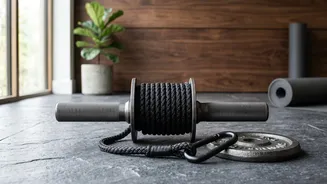
is a traditional exercise that focuses on strengthening the muscles and tendons of the wrists and forearms. The name refers to a simple, yet effective, circular motion of the wrists, which can be performed without any special equipment. While dedicated fitness tools called 'wrist rollers' often involve a bar with a rope and weight, the foundational, equipment-free version relies on controlled, repetitive wrist rotations to generate muscle engagement. The practice is believed to improve flexibility, boost blood circulation to the hands, and build functional strength for gripping and lifting tasks. Some sources link similar traditional exercises to the use of natural elements in various African cultures, like mimicking the twisting of baobab bark to create tension in the forearm muscles.
The Step-by-Step Technique
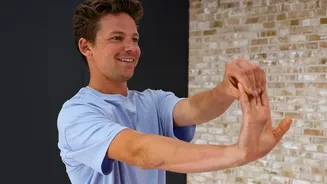
Performing the no-equipment version of this exercise is straightforward, but proper form is crucial for targeting the right muscles and avoiding strain. First, stand or sit with a straight posture. Extend your arms straight out in front of you at shoulder height, parallel to the floor. Make fists with both hands. Begin rotating your wrists in a slow, controlled circular motion. You can roll them both inwards or both outwards. The key is to make the movement deliberate, focusing on the contraction in your forearm muscles—both the flexors on the underside and the extensors on the top. Perform these rotations for a set amount of time, such as 30 to 60 seconds, or for a specific number of repetitions. To target the muscles differently, you can reverse the direction of the roll.
Key Benefits of This Exercise
The primary advantage of this practice is its accessibility; you can do it anywhere, anytime. Regular practice leads to significant benefits in grip and forearm strength. The exercise targets both the flexor and extensor muscles of the forearm, which are crucial for everything from carrying groceries to improving performance in sports and lifting. This balanced muscle development helps enhance wrist stability and can reduce the risk of strain or injury from repetitive movements. Furthermore, the rhythmic motion stimulates blood flow, which helps deliver nutrients to the muscles and aids in recovery. For those who spend long hours typing or performing other wrist-intensive tasks, it can also serve as a great way to improve flexibility and combat stiffness.
Understanding the Practical Limits
While beneficial, the no-equipment African wrist rolling exercise has significant limitations, chief among them being the principle of progressive overload. Muscle growth and strength gains require gradually increasing the challenge placed on the muscles. Without adding external weight, it is difficult to progressively overload the forearms beyond a certain point. Your body will eventually adapt, and the exercise will become one of endurance rather than strength-building. While you can increase reps or time under tension, these methods have diminishing returns for building significant muscle mass or peak strength. Furthermore, relying solely on this movement can lead to an imbalance if not paired with other exercises, and incorrect form or excessive repetition could potentially lead to repetitive strain injuries. It is best viewed as a supplemental exercise, not a complete forearm development program.
Integrating It Safely Into Your Routine
To get the most out of this exercise, it's best to incorporate it as part of a balanced fitness routine. A good starting point is to perform two to three sets of 30–60 second rolls at the end of your upper body workouts. This ensures your grip isn't fatigued before you perform major lifts like pull–ups or rows. Pay close attention to your body and stop if you feel any sharp pain. To create more resistance without equipment, you can try tensing your forearm muscles isometrically throughout the movement or holding a common household item like a towel that you can twist and wring out to create tension. For continued progress in forearm development, you will eventually need to introduce resistance, whether through dedicated wrist rollers with weights, dumbbells for wrist curls, or grip trainers.