


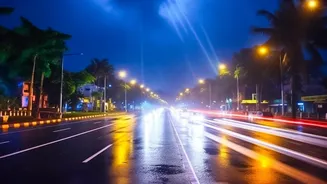
Embrace the Monsoon Magic
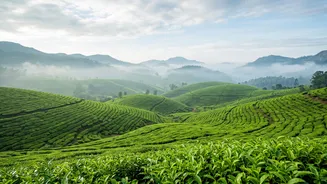
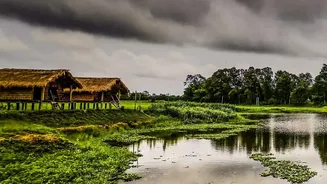
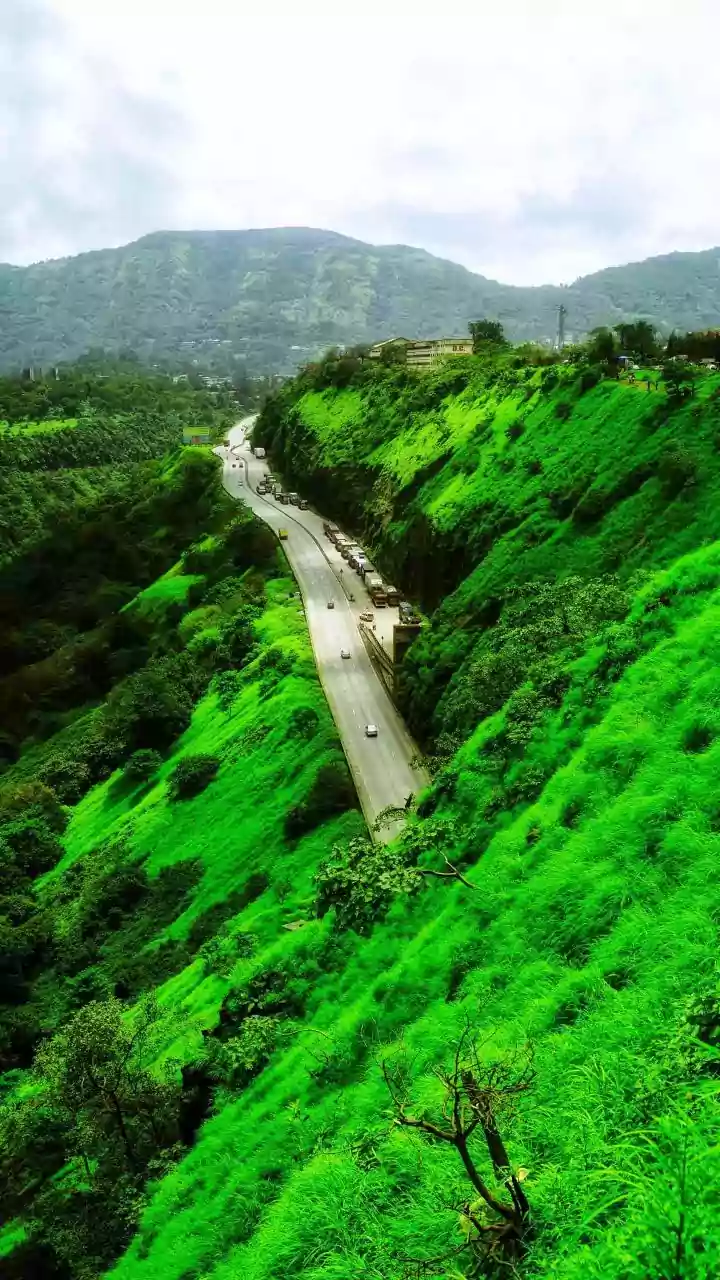
First, a change in perspective. Instead of a travel obstacle, think of the monsoon as the main event. This is when India’s landscapes are at their most dramatic and verdant. Waterfalls surge, lakes fill up, and the countryside is painted in a thousand
shades of green. The air is fresh and free of dust, and the scent of rain on dry earth is an experience in itself. What's more, the monsoon is considered the off-season in many popular destinations. This translates to significantly fewer crowds at major landmarks, more accommodation options, and often lower prices for flights and hotels, allowing for a more relaxed and intimate travel experience.
Choose Your Destination Wisely
Not all destinations are created equal during the monsoon. While some areas are prone to flooding and landslides, others are perfectly safe and arguably at their best. Hill stations in the Western Ghats and Nilgiris like Coorg, Munnar, Lonavala, and Ooty are spectacular, with misty hills and gushing waterfalls. The rain-shadow region of Ladakh remains dry and accessible, making it a perfect high-altitude escape. Cities like Udaipur in Rajasthan, which receive light showers, become incredibly romantic as the lakes brim with water. It's crucial to check local weather forecasts and road conditions a few days before your trip. Avoid areas with active heavy rain warnings or known landslide risks.
Pack Smart, Not Heavy
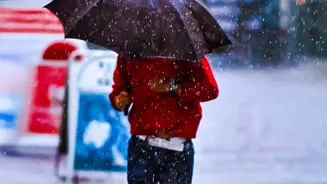
Monsoon packing is about staying dry and comfortable. Forget heavy cottons and jeans that take forever to dry. Instead, opt for lightweight, quick-drying synthetic fabrics like polyester and nylon. A reliable raincoat or poncho is more practical than an umbrella, which can be useless in windy conditions. A crucial item is proper footwear; choose waterproof sandals with a good grip or quick-drying trail shoes to navigate slippery surfaces and puddles. Protect your valuables by packing electronics, documents, and cash in waterproof pouches or zip-lock bags. A waterproof cover for your backpack is also a wise investment.
Mastering Monsoon Road Trips
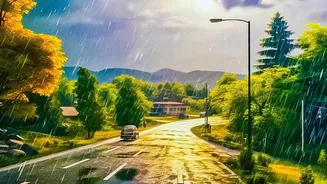
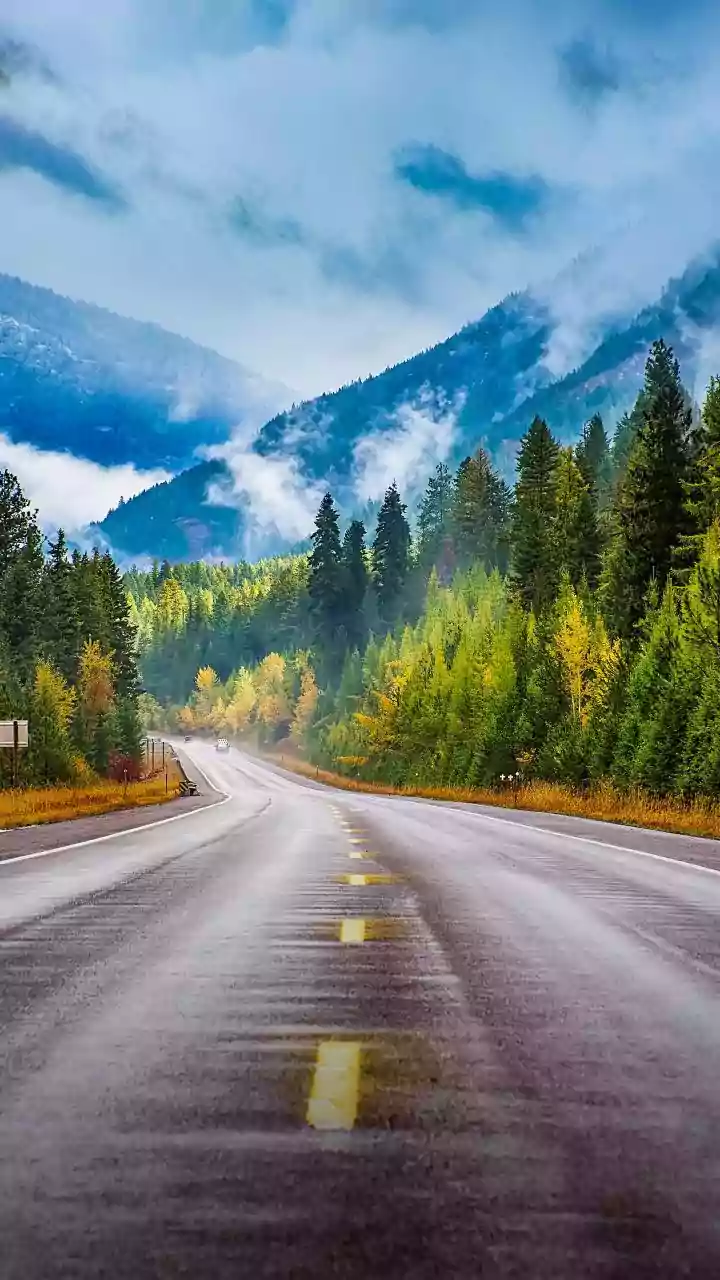
If you're planning to drive, safety is paramount. Before you start, ensure your car's essentials are in top condition: check your tyres for adequate tread, test your brakes, and make sure your windscreen wipers are working effectively. On the road, reduce your speed significantly, especially during heavy downpours, to avoid hydroplaning. Maintain a greater distance from the vehicle in front of you, as braking distances increase on wet roads. Use your low-beam headlights to improve visibility for yourself and other drivers. Never attempt to drive through deep, standing water, and if your car stalls in a waterlogged area, do not try to restart the engine, as this can cause permanent damage.
Stay Healthy on the Go
The rainy season can bring a higher risk of water-borne diseases. It's best to be cautious about what you eat and drink. Stick to bottled or filtered water and avoid street food that may have been exposed to contaminated water. Opt for busy food stalls and restaurants where high turnover ensures fresher ingredients. Mosquitoes are more prevalent during this season, so carry a reliable insect repellent, especially for travel in rural or forested areas. It’s also wise to pack a basic first-aid kit with essentials for common ailments like colds, allergies, and minor injuries.
Build Flexibility into Your Itinerary
Monsoon travel demands a flexible mindset. Rain can cause unexpected delays, from slow traffic to rescheduled flights or trains. The key is to not overschedule your days. Build buffer time into your travel plans, especially when making connections. Have a backup plan for each day; pair an outdoor activity with a potential indoor alternative, like a museum, a local cafe, a cooking class, or a spa treatment. Embrace the downtime—a rainy afternoon is a perfect excuse to read a book, enjoy a hot cup of chai, or simply watch the world go by from a dry, cosy spot.