






Beyond Data Points and Dog-Eared Pages
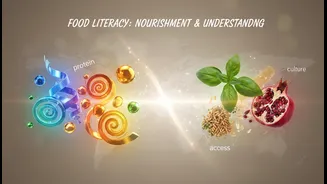
For many, understanding nutrition has been a two-dimensional affair. It’s either a chapter in a science textbook or a stream of data on a health app. While valuable, these methods often fail to create a lasting impact. Textbooks can be dry and theoretical,
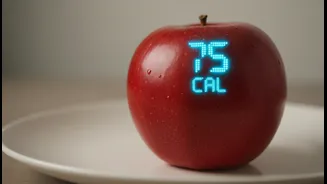
while the digital world of calorie counting, though precise, can feel detached from the sensory experience of eating. The numbers on a screen rarely convey the physical reality of energy, the cultural weight of food, or the complex systems that bring it to our plates. This gap between information and true understanding is where health education often stumbles, leaving people with facts but little tangible connection.
Step Inside the 'CALORIE' Experience
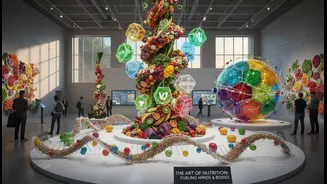
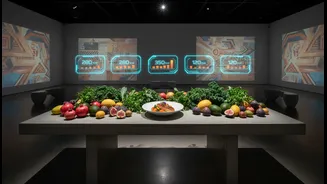
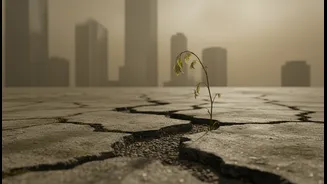
The Science Gallery Bengaluru’s year-long exhibition-season, titled 'CALORIE', was designed to fill this void. Running until July 2026, it moves far beyond simple diet advice, inviting visitors into an immersive exploration of our deep and often complex relationship with food. Rather than charts and graphs, the space is filled with interactive artworks and thought-provoking installations. For example, an exhibit named 'Ragi.net' features ragi seedlings sprouting from a bed of e-waste, a powerful commentary on Bengaluru's shift from farmland to a tech hub. Another display allows visitors to explore dozens of rice varieties, while a separate piece tackles food scarcity through historical photographs of the Madras famine. These aren't passive displays; they are designed to provoke thought and conversation about where our food comes from, who gets to eat, and how it truly fuels us.
Learning Through Interaction and Art
The power of the 'CALORIE' exhibition lies in its use of experiential learning. This educational approach emphasizes learning by doing and reflecting. Instead of just reading that a certain snack contains 200 calories, a physical or interactive exhibit can make that concept tangible and memorable. Research and practical application have shown that interactive and participatory methods can be highly effective for public health communication, especially in communities with varying literacy levels. By turning abstract concepts into sensory experiences—like a game that incorporates the impacts of climate change on food supply or a sculpture made of drying Bombay duck—the gallery makes complex topics accessible and unforgettable. This approach fosters a deeper connection and has been shown to improve knowledge retention far more effectively than passive learning.
A New Model for Health Education
The 'CALORIE' exhibition's success offers a compelling blueprint for the future of public health education in India. While digital tools like health apps have surged in popularity, they cannot replace the power of shared, physical experiences. The exhibition demonstrates a 'hybrid' model, combining art, science, and community engagement to tackle a critical topic. It moves the conversation about nutrition out of the clinical or digital realm and places it firmly in a cultural one. This approach could be adapted for a wide range of public health challenges, from mental health awareness to the importance of vaccination. By creating spaces for dialogue and hands-on learning, we can foster a more informed and engaged citizenry.