




Shadow boxing is a fantastic full-body workout, but jumping in cold is a recipe for injury. A proper warm-up isn't just a formality; it's the key to unlocking your best performance and keeping your body safe from unnecessary strain.
Why Warming Up Is Non-Negotiable
Before you throw your
first punch, your body needs to transition from a resting state to being ready for explosive, athletic movement. A structured warm-up, typically lasting 8 to 15 minutes, is crucial. Its primary purpose is to increase your body's core temperature, which sends more oxygen-rich blood to your muscles. This process lubricates your joints, improves muscle elasticity, and reduces the risk of pulls and tears. It also prepares you mentally, sharpening the coordination between your hands, feet, and brain that boxing demands. Think of it not as a delay to your workout, but as the first and most important part of it.
Phase 1: General Cardiovascular Activity
The first step is to get your heart rate up with light, low-intensity aerobic exercise. This should take about three to five minutes. The classic choice for boxers is the jump rope, and for good reason. It elevates body temperature while simultaneously improving coordination, timing, and ankle stability. If you're not comfortable with a jump rope, don't worry. Jogging on the spot, doing jumping jacks, or even a few minutes on a stationary bike or rowing machine will achieve the same goal of getting your blood flowing and preparing your cardiovascular system for the work ahead. A light sweat is a good indicator that you're ready for the next phase.
Phase 2: Dynamic Stretching and Mobility
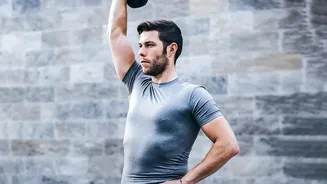
Once your muscles are warm, it's time for dynamic stretching—active movements that take your joints and muscles through their full range of motion. Unlike static stretching (holding a position), dynamic stretches prepare the body for action without decreasing power output. Focus on the key areas used in boxing. Perform each movement for about 30 seconds or 10-12 repetitions. Key drills include: Arm circles (both forward and backward, small to large) to warm up the shoulders. Torso twists to activate the core and rotational muscles that generate punching power. Leg swings (forward-and-back and side-to-side) to open up the hips for better footwork and pivoting. Walking lunges with a twist to engage the hips, legs, and core simultaneously.
Phase 3: Sport-Specific Activation
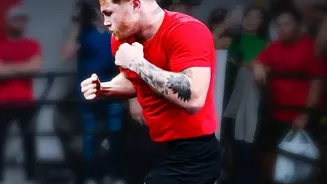
The final stage of your warm_up should directly mimic the movements of boxing, but at a lower intensity. This is where you begin light shadow boxing for two to five minutes. Start with just your footwork, moving around your space, circling left and right, and getting a feel for your rhythm. Then, begin to layer in punches. Start with light, relaxed jabs, then add the cross, hooks, and uppercuts. The goal here is not to throw with power or speed, but to practice proper form and activate the specific muscle patterns you'll be using. Focus on full extension, exhaling with each punch, and keeping your non_punching hand up to protect your face. This 'dress rehearsal' bridges the gap between warming up and the main workout.