




What Exactly Are Fermented Foods?
Fermentation is a natural process where microorganisms like bacteria and yeast break down the sugars and starches in food. This not only preserves the food but also transforms it, creating unique flavours, enhancing its nutritional profile, and producing
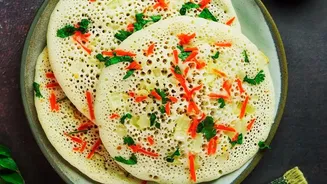
beneficial compounds like lactic acid. Think of homemade curd (dahi), the tangy batter for idli and dosa, spicy pickles (achaar), and the North Indian drink Kanji. These familiar tastes are all the result of this powerful microbial action. While the process has been used for preservation for thousands of years, scientists are now most interested in the live microorganisms, often called probiotics, that many of these foods contain.
The Gut Health Connection
The primary reason for the surging interest in fermented foods is their profound connection to gut health. Our digestive system is home to trillions of microbes, collectively known as the gut microbiome. A diverse and balanced microbiome is increasingly linked to everything from better digestion and a stronger immune system to improved mental health. Fermented foods can introduce beneficial bacteria (probiotics) into the gut. These good microbes can help balance your gut flora, support the gut's natural barrier, and even reduce inflammation throughout the body. Studies have shown that regular consumption of traditional Indian fermented foods like dahi and idli correlates with a healthier and more diverse gut microbiome.
Beyond the Gut: Wider Health Benefits
The benefits don't stop at digestion. The fermentation process can actually increase the bioavailability of certain nutrients, meaning our bodies can absorb them more easily. For example, fermenting dairy can make it more digestible for people with lactose intolerance, as the bacteria help break down the lactose. These foods are also associated with the production of essential nutrients like B vitamins and vitamin K. Furthermore, research suggests a diet rich in fermented foods may help reduce the risk of conditions like type 2 diabetes and lower levels of chronic inflammation, which is a key driver of many long-term health issues.
Adding Fermented Foods to Your Diet
Incorporating these foods is simpler than you might think, and you're likely already eating some. The key is consistency. A small bowl of plain homemade curd with your lunch is a fantastic start. Enjoying traditional fermented breakfasts like idli or dosa a few times a week also contributes. For something different, try chaas (buttermilk) as a refreshing summer drink or add a small portion of a fermented pickle to your meal. When buying commercial products like yogurt or kefir, check the label for phrases like "live and active cultures" to ensure you're getting the probiotic benefit, as some products are pasteurised after fermentation, which kills the beneficial bacteria.
A Word of Caution
While generally safe and beneficial for most people, it's good to be mindful. The most common initial side effect can be a temporary increase in gas and bloating as your gut adjusts. It's best to start with small amounts and see how your body responds. Some fermented products, like many commercial pickles and soy sauce, can be very high in sodium. Others, such as flavoured kombucha or yogurt, can contain significant amounts of added sugar. People with specific conditions like histamine intolerance or compromised immune systems may need to be more cautious and should consult a professional.