


What Is the 'No PUC, No Fuel' Rule?
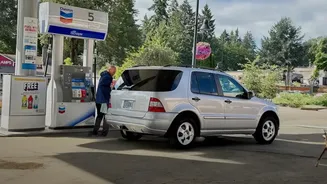
The 'No PUC, No Fuel' rule is a government mandate aimed at curbing air pollution from vehicles. Under this regulation, petrol pumps across Delhi and the National Capital Region (NCR) are instructed to deny fuel—including petrol, diesel, and CNG—to any
vehicle that does not have a valid Pollution Under Control (PUC) certificate. This measure, part of a broader strategy under the Commission for Air Quality Management (CAQM), is being enforced strictly, especially with the onset of the winter season when air quality typically deteriorates. The goal is to ensure that only vehicles complying with emission standards are on the road, making the PUC certificate a non-negotiable document for every fuel refill.
Why This Strict Enforcement Now?
Vehicular emissions are a significant contributor to Delhi's hazardous air quality, particularly during winter. To combat this annual crisis, authorities are intensifying enforcement of existing regulations. The government has announced a targeted enforcement drive starting from October 1, 2026. This is part of a larger Winter Action Plan that includes measures against dust pollution, construction activities, and stubble burning. By linking fuel purchase directly to emission compliance, the government aims to force a higher rate of adherence to pollution norms, thereby reducing the overall pollutant load in the atmosphere during the critical winter months.
Understanding Your PUC Certificate
A PUC certificate is a document that verifies your vehicle's emissions are within the permissible limits set by law. For new vehicles compliant with BS-IV or higher norms, the initial certificate is valid for one year. After that, it must be renewed every six months to remain valid. The certificate contains crucial details like your vehicle's registration number, the date of the test, the emission readings for pollutants like Carbon Monoxide (CO) and Hydrocarbons (HC), and the certificate's expiry date. All petrol, diesel, and CNG vehicles are required to have a valid PUC. Only electric vehicles are exempt from this requirement due to their zero tailpipe emissions.
How to Get or Renew Your Certificate
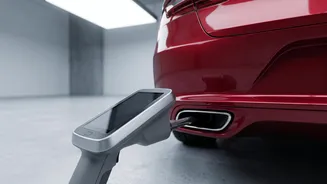
Getting a PUC certificate is a straightforward offline process. You need to take your vehicle to an authorised emission testing centre, many of which are located at petrol pumps across Delhi-NCR. A technician will use a gas analyser to measure your vehicle's exhaust emissions. If the levels are within the specified limits, a certificate will be issued. The process usually takes about 10-15 minutes. The authorised fees are generally around ₹60 for two-wheelers, ₹80 for petrol cars, and ₹100 for diesel cars. While the test is offline, you can download a digital copy of your valid certificate from the official Parivahan Sewa website.
Technology at the Pumps
To ensure effective implementation, many fuel stations are being equipped with Automatic Number Plate Recognition (ANPR) cameras. When a vehicle enters the station, these cameras will scan the number plate and automatically verify the PUC status against the central Vahan database. If the database shows an invalid or expired certificate, the fuel dispenser will not be activated for that vehicle. This technology-driven approach removes manual checks and makes enforcement more seamless and difficult to evade.
Penalties for Non-Compliance
Driving without a valid PUC certificate can lead to significant consequences beyond just being denied fuel. Under the Motor Vehicles Act, you can be fined up to ₹10,000. In some cases, non-compliance could even lead to imprisonment for up to six months or suspension of your driving licence. With intensified checks and the new ANPR systems at fuel pumps, the risk of getting caught is higher than ever, making it crucial for every vehicle owner to ensure their documents are in order.