




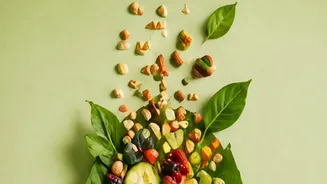


Why This Essential Nutrient Matters
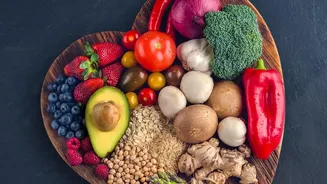
Dietary fibre, the part of plant-based foods that your body can't digest, is a quiet hero of good health. A high-fibre diet is crucial for maintaining digestive regularity and promoting a healthy gut microbiome. But its benefits go much further. Soluble
fibre, which dissolves in water, can help manage blood sugar levels by slowing down digestion and can also aid in lowering cholesterol. Insoluble fibre adds bulk, helping food move through your system. Together, they contribute to a feeling of fullness, which can help with weight management. The Indian Council of Medical Research (ICMR) suggests a daily intake of around 25-40 grams of fibre, yet many urban diets fall short of this target.
Go with the Grain
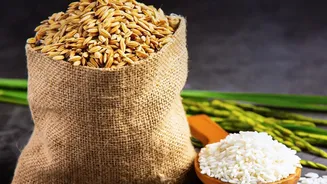
One of the simplest swaps to boost fibre is to choose whole grains over their refined counterparts. While white rice and maida are common, they are stripped of their fibrous bran and germ. Millets like jowar (sorghum), bajra (pearl millet), and ragi (finger millet) are excellent alternatives that are making a comeback. A bajra or jowar roti offers significantly more fibre than one made from refined flour. You don't have to give up rice entirely; switching to brown rice a few times a week or mixing millets into your regular atta for rotis can make a big difference. Even starting your day with oatmeal or a vegetable-filled upma made from whole grains can set you on the right track.
The Power of Pulses
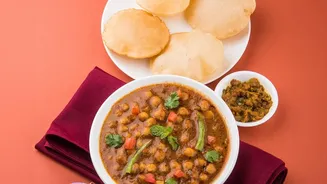
Dals, beans, and legumes are the heart of Indian cuisine and are fibre powerhouses. Whole pulses like rajma (kidney beans), chana (chickpeas), and whole moong retain more fibre than their split and skinned versions, though all are beneficial. A single serving of chickpeas or rajma can provide a substantial portion of your daily fibre needs. Think beyond just dal with rice. Add sprouted moong to salads for a crunchy texture, use kala chana in chaat, or make a thick, hearty soup. These foods also provide a satisfying combination of protein and fibre, which helps keep you feeling full and your blood sugar levels stable.
Fill Up on Fruits and Vegetables
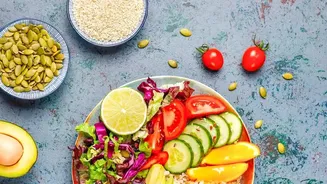
Fruits and vegetables are another easy and delicious way to increase fibre. Many of the most fibrous options are everyday staples in Indian kitchens. Guava, apples (with the skin), oranges, papaya, and bananas are excellent sources. When it comes to vegetables, leafy greens like spinach and fenugreek (methi), along with gourds like lauki (bottle gourd) and vegetables like bhindi (okra) and carrots, are all rich in fibre. A simple trick is to add finely chopped vegetables like carrots or spinach into your dal or sabzi gravies; they will cook down and add nutrients without drastically changing the taste. Eating a seasonal fruit as a snack instead of a packaged one and aiming to have a generous portion of vegetables with every main meal can significantly increase your daily fibre count.
Small Swaps, Big Impact
Increasing your fibre intake doesn't require a complete dietary overhaul. It's about making small, consistent changes. Leaving the skin on vegetables like potatoes and cucumbers (after a good wash) preserves much of their fibre. Adding a small handful of nuts and seeds like almonds, walnuts, or flaxseeds to your day can also help. When making stuffed parathas, mix in grated carrots or cabbage along with the potato or paneer filling. The key is to gradually increase your intake and drink plenty of water to help the fibre do its job effectively. By consciously including more of these familiar foods, you can easily bridge the fibre gap and support your long-term health.