
The Viral Sensation: What Are Retinol Ice Cubes?
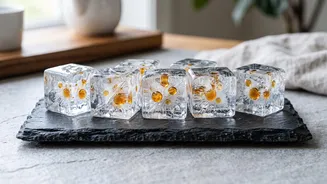
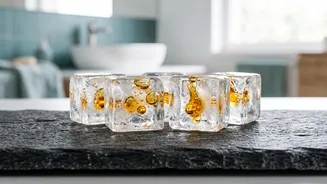
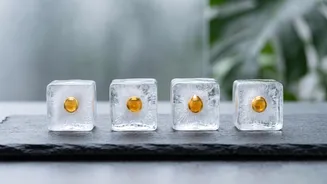
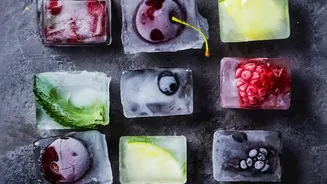
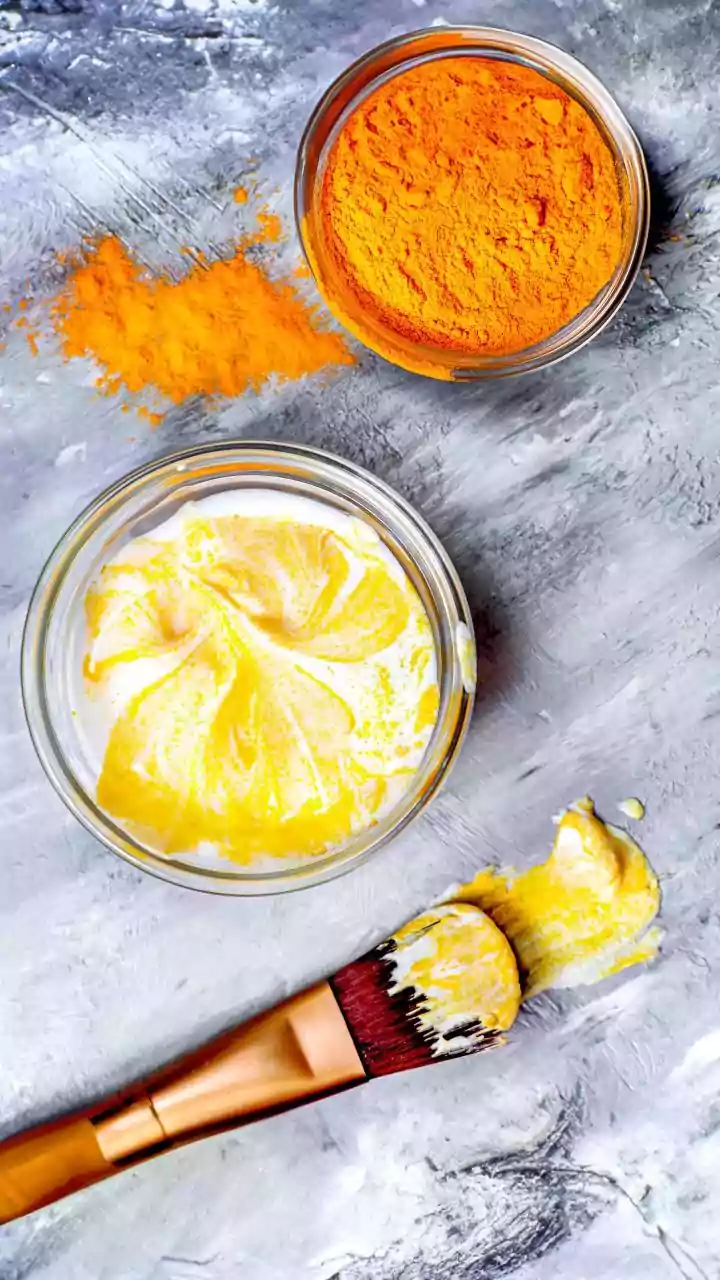
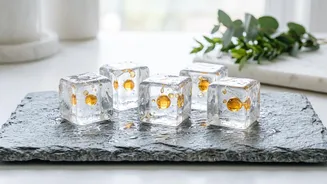
Scroll through social media, and you'll likely find videos showing how to create so-called 'retinol' ice cubes. The recipes typically involve blending ingredients like cucumber, potato juice, and aloe vera gel, then freezing the mixture in a tray. Some
versions use carrots, rosehips, or green tea. The instructions are simple: rub one cube on your clean face daily for its supposed anti-aging and skin-brightening benefits. The appeal is obvious—it's natural, affordable, and seems like a refreshing way to get the benefits of retinol, one of skincare's most celebrated ingredients. But the name itself raises a crucial question: is there any actual retinol in these ice cubes?
The Real Deal: How Actual Retinol Works
To understand the difference, we first need to know what real retinol is. Retinol is a specific form of vitamin A, part of a family of ingredients called retinoids. It's one of the most researched ingredients in dermatology, backed by decades of science. When applied to the skin, retinol converts into retinoic acid, which then gets to work on a cellular level. It accelerates skin cell turnover, helps boost collagen production, and fades hyperpigmentation. This is why it's so effective at reducing the appearance of fine lines, wrinkles, and uneven skin texture. However, this potency comes with a catch: retinol can cause irritation, dryness, and sun sensitivity, especially for beginners. That's why it’s usually recommended for nighttime use with a slow introduction into your routine.
Myth vs. Reality: The 'Natural Retinol' Fallacy
Here's the truth: the ingredients in these DIY cubes do not contain retinol. Many of the plants used, like carrots, are rich in beta-carotene. Beta-carotene is a 'provitamin A', meaning the body can convert it into vitamin A (retinol). However, this conversion process is complex and primarily happens when you ingest it. When applied topically, the skin's ability to convert beta-carotene into the active form of vitamin A is not nearly as efficient or powerful as applying a formulated retinol product. You are simply not getting the same cell-turnover and collagen-boosting effects. While beta-carotene is a great antioxidant that helps protect skin, it is not a substitute for a true retinoid. The 'retinol' in these ice cubes is more of a marketing buzzword than a scientific reality.
The Icing on the Cake: Are There Any Benefits?
While the retinol claims don't hold up, the practice of skin icing itself can have temporary benefits. Applying cold to the skin causes vasoconstriction, which is the narrowing of blood vessels. This can help temporarily reduce puffiness, especially around the eyes, and calm inflammation from breakouts. It can also make pores appear smaller for a short time. So, rubbing one of these cubes on your face might leave your skin feeling refreshed and looking a bit tighter, but these effects are due to the cold temperature, not a 'natural retinol'. It's important to be careful, however. Applying ice directly to the skin for too long can cause redness, irritation, and even ice burn or frostbite.
Safer, Smarter Ways to Get Results
If you're seeking the proven antiaging benefits of vitamin A, your best bet is a properly formulated skincare product. For beginners, dermatologists often recommend starting with a lowconcentration overthecounter retinol (like 0.1%) once or twice a week at night and gradually increasing usage as your skin adapts. Always wear sunscreen during the day, as retinol increases sun sensitivity. If you have sensitive skin or prefer a plantbased approach, look for products with bakuchiol. Bakuchiol is a plantderived ingredient that, while not a retinoid, has been shown in clinical studies to offer similar improvements in fine lines and pigmentation with much less irritation. It's considered a true, evidencebacked retinol alternative and is gentle enough for daytime use.