





Know Your Alerts: Yellow, Orange, and Red
The India Meteorological Department (IMD) uses a colour-coded system to warn citizens about the severity of upcoming weather. Understanding these is your first step in risk assessment. A 'Yellow' alert means you should 'Be Aware' and stay updated, as conditions
might worsen. An 'Orange' alert signals to 'Be Prepared' for potentially disruptive heavy rain that could impact travel and cause waterlogging. The highest level, a 'Red' alert, means 'Take Action'. It is issued for extremely severe weather with a high risk of flooding and disruption. Unnecessary travel is strongly discouraged under a red alert.
The Danger of Water: Flash Floods and Waterlogged Roads
One of the most underestimated dangers is driving through water. A flash flood can happen with little warning, turning a dry gully or low-lying road into a raging torrent in minutes. It takes as little as 12 inches of flowing water to float many vehicles, and just six inches can knock an adult off their feet. The phrase 'Turn Around, Don't Drown' is a critical safety rule; more than half of all flood-related deaths occur in vehicles. It's impossible to judge the depth of murky floodwater or know if the road beneath has been washed away. If you encounter a flooded road, the only safe option is to find an alternative route.
Hill Station Hazards: The Threat of Landslides
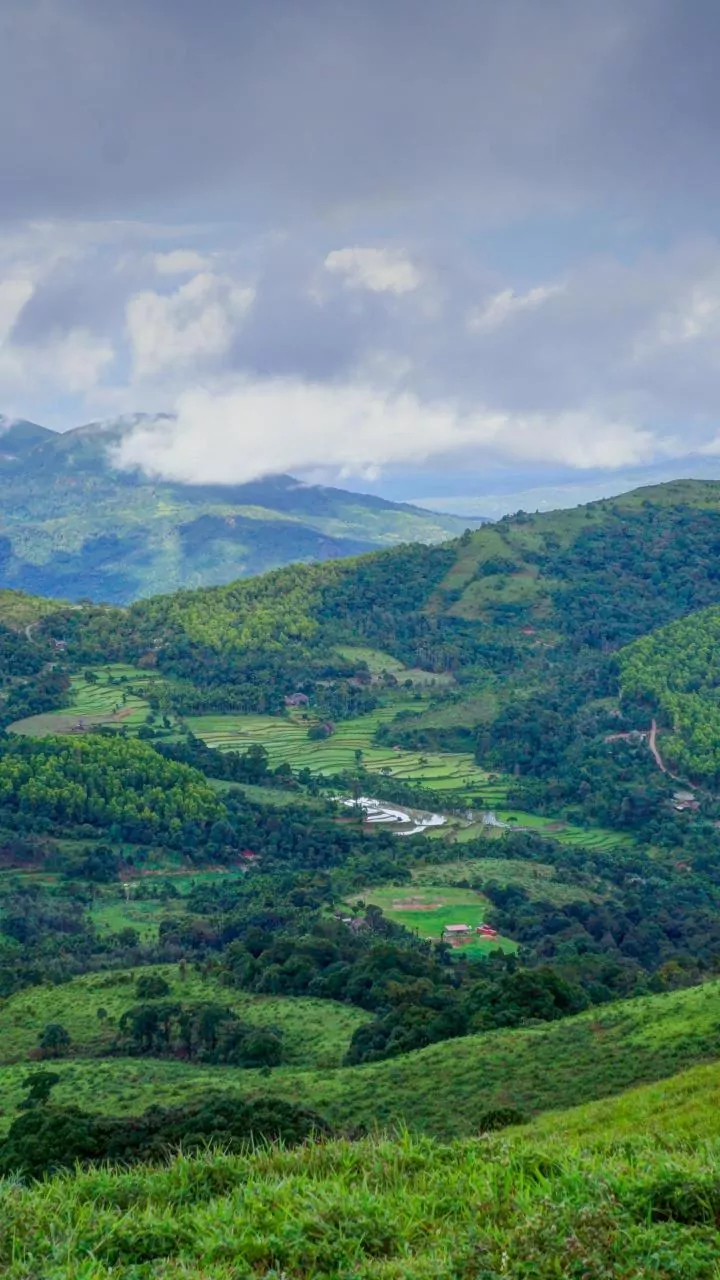
A road trip to the mountains is a monsoon favourite, but it comes with the serious risk of landslides. Regions like the Himalayas and the Western Ghats are particularly vulnerable when heavy rain saturates steep, unstable slopes. States like Himachal Pradesh, Uttarakhand, and Kerala regularly experience landslides that can block roads and isolate communities. Major highways such as those leading to Manali, Shimla, and through the ghats of Munnar and Wayanad are often affected. Be extremely cautious when travelling to hill stations during or after intense rainfall, especially if local authorities have issued warnings. A collapsed slope can also trigger other disasters, like damming a river and causing a subsequent flood.
Poor Visibility and Slick Roads: A Driver's Challenge
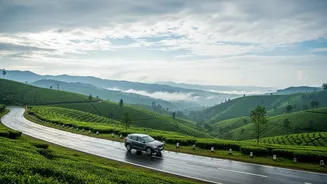
Heavy downpours create treacherous driving conditions beyond just flooding. Visibility can be drastically reduced, making it hard to see other vehicles, pedestrians, or hazards on the road. The glare from headlights can also become a problem. When rain first begins, it mixes with oil and dirt on the road, creating an exceptionally slippery surface and increasing the risk of hydroplaning—where your tires lose contact with the road. To stay safe, slow down, increase the distance between you and the vehicle in front, and avoid sudden braking or sharp turns. Using your headlights is crucial, not just for you to see, but for others to see you.
Making the Final Call: Check, Plan, and Be Flexible
Before you even pack, check the multi-day forecast from an official source like the IMD. Look at the specific warnings for your route and destination. If an orange or red alert is in place, seriously reconsider your plans. It's wise to build buffer days into your itinerary to account for potential delays. Hiring a local driver who is experienced with the terrain and monsoon conditions can be a safer alternative to driving yourself. Always have a backup plan and be prepared to change your itinerary or even cancel if conditions become unsafe. Packing essentials like a waterproof bag, a first-aid kit, a flashlight, and a power bank can make a significant difference if you get stranded.