




What is the STRIDE Initiative?
The seven contracts are part of a new NASA initiative called STRIDE, which stands for Science Transport and Robotic Innovation for Deployment and Exploration. Announced on July 8, 2026, the program aims to foster public-private partnerships to develop
the next generation of robotic mobility systems for Mars. With a total potential value of around $17 million, STRIDE's goal is to fund the creation of robots that can go farther, faster, and into more challenging terrain than ever before. This is a strategic shift, moving beyond building everything in-house to leveraging the innovation of the commercial space sector to accelerate exploration and reduce costs.
Who Are the Seven Companies?
NASA selected a diverse group of seven companies, ranging from established aerospace giants to more specialized robotics firms. The awardees are AeroVironment, Astrobotic, Venturi Astrolab, Ground Control Robotics, Honeybee Robotics, Intuitive Machines, and MEI Technologies. Several of these companies have proven track records. AeroVironment was a key partner in developing the groundbreaking Ingenuity Mars helicopter. Astrobotic and Intuitive Machines are already major players in NASA's Commercial Lunar Payload Services (CLPS) program, building landers to deliver science to the Moon. Honeybee Robotics has a long history of creating drills and instruments for NASA's rovers. This mix of experience suggests NASA is casting a wide net for innovative ideas.
What Kind of Robots Will They Develop?
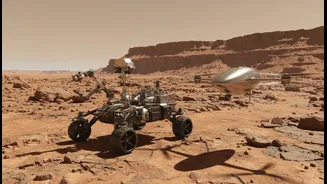
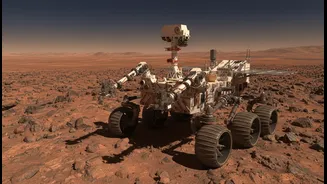
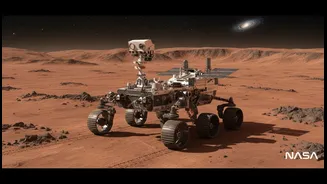
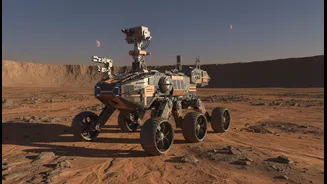
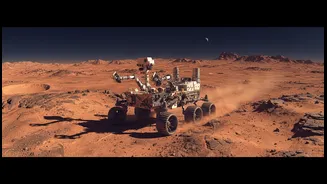
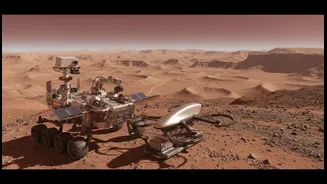
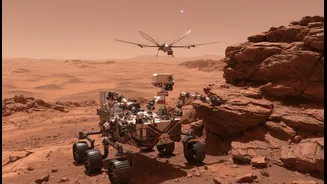
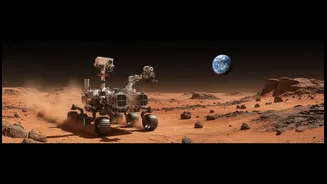
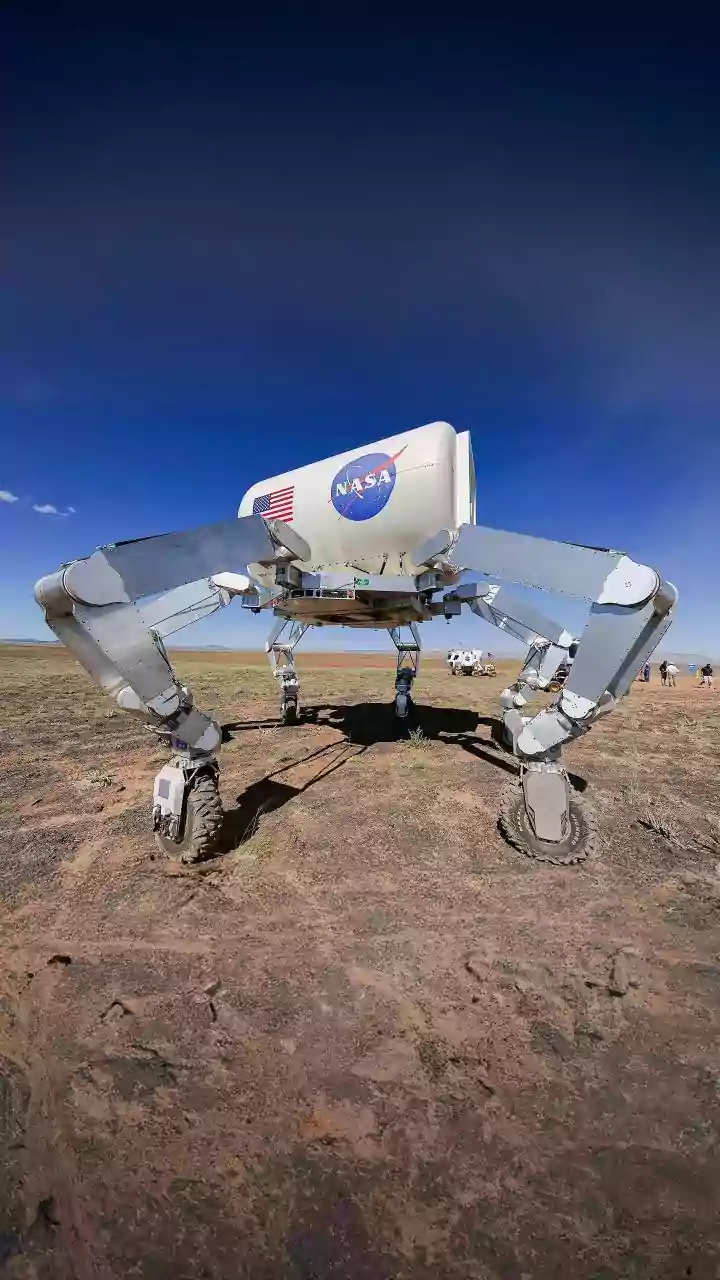
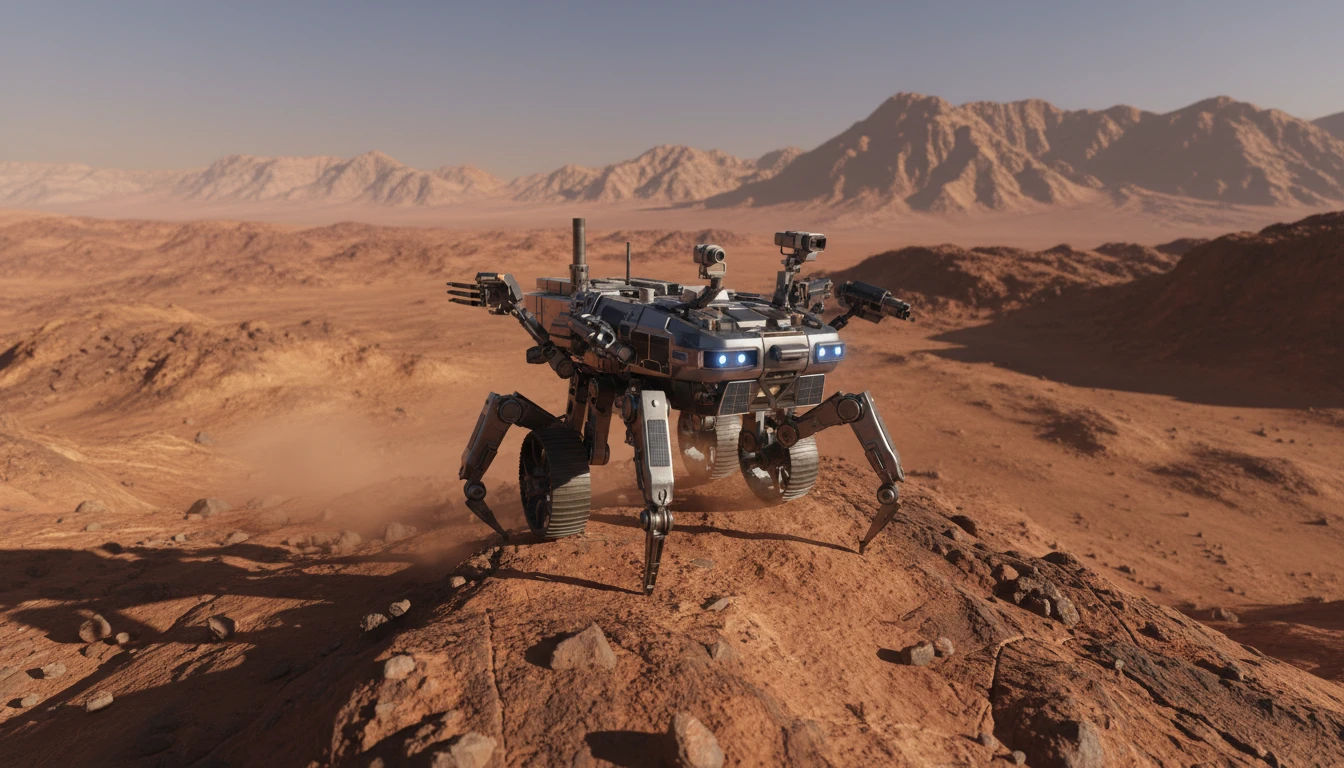
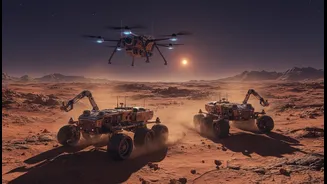
The focus of the STRIDE contracts is on mobility. NASA is looking for concepts that can overcome the limitations of current rovers like Curiosity and Perseverance. While incredibly successful, these car-sized rovers are slow and must avoid treacherous areas like steep slopes or fields of sharp rocks. The new systems could include a variety of approaches. We might see advanced wheeled rovers with novel suspension systems capable of climbing and navigating extreme slopes. Some designs could focus on smaller, more agile robots, or even teams of cooperative robots that work together. Others may advance aerial mobility, building on the success of the Ingenuity helicopter to create next-generation drones that can scout ahead or access areas wheels can't reach.
How Does This Fit Into NASA's Mars Plan?
These contracts are a crucial piece of NASA's long-term "Moon to Mars" strategy. The ultimate goal is to send astronauts to Mars, but before that can happen, a tremendous amount of preparatory work must be done robotically. Future robots will be needed to perform detailed reconnaissance of potential human landing sites, search for resources like water ice, and even pre-deploy equipment and habitats. The technologies developed under STRIDE are intended to provide these capabilities. By developing robots that can traverse greater distances and access scientifically valuable but hard-to-reach locations, NASA can better prepare for the arrival of human explorers.
What Happens Next?
The work under these contracts is scheduled to begin in the fall of 2026. The initial phase will involve the companies developing their design concepts and, in some cases, producing early-stage prototypes. This is not a competition where only one winner is chosen. Instead, it's a technology development program where NASA hopes to seed multiple promising ideas. The results of these studies will inform NASA's future mission planning. Successful concepts could be integrated into upcoming robotic missions to the Red Planet over the next decade, paving the way for a more dynamic and capable robotic presence on Mars as the agency builds toward its goal of landing the first humans there.