







Why Your Trip Needs a Digital Watchdog
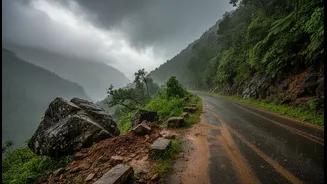
Spontaneity is the soul of a good weekend trip, but the charm wears off quickly when you're stuck for hours behind a landslide or caught in a flash flood. With increasingly unpredictable weather patterns, especially during the monsoon, many of India's
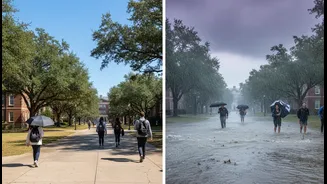
most beloved getaway spots can become hazardous with little warning. Recent years have seen tranquil spots in Himachal Pradesh, Uttarakhand, and the Western Ghats face sudden, intense downpours that turn roads into rivers. Just this past weekend, heavy monsoon rains led to significant travel disruptions in Mumbai, including flight diversions and train cancellations, underscoring how quickly conditions can change. A fun drive can turn into a serious situation if a key road is suddenly closed. This isn't about being fearful; it's about being informed. A good alert system works in the background, giving you the peace of mind to truly relax and enjoy your break.
Beyond a Basic Weather Check
Many of us glance at a weather app before we leave, see a rain icon, and pack an umbrella. But that's not enough. A forecast gives you a general picture, while a real-time alert gives you specific, actionable information. The difference is crucial. A forecast might say “chance of rain,” but a severe weather alert from the India Meteorological Department (IMD) will specify an “Orange Alert for heavy to very heavy rainfall” in the exact district you're heading to. These alerts are colour-coded for severity—Yellow to stay updated, Orange to be prepared, and Red to take action—and are designed for public safety. Relying only on a standard forecast is like knowing it might rain sometime this week, whereas an official alert is like getting a message that a major storm is about to hit your specific location in the next three hours.
Your Official Indian Alert Toolkit
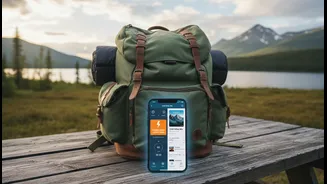
Thankfully, getting reliable information is easier than ever. The Indian government provides several excellent, free tools designed for public safety. The primary app to download is 'MAUSAM', the official mobile app from the IMD. It provides current weather, 7-day forecasts, and, most importantly, district-wise warnings and 'Nowcast' updates for localized phenomena. For travellers, the 'Tourism Forecast' feature is especially useful. Another critical app is 'Damini', which provides lightning alerts. You can also access information through the National Disaster Management Authority (NDMA) Sachet portal, which integrates warnings from various agencies. Before you travel, simply downloading one of these apps and setting your destination as a favorite location can provide a vital layer of security. On top of apps, it is also wise to follow the social media accounts of the local district administration and police for on-the-ground updates about road conditions.
Setting Up Your Safety Net
Activating these tools takes just a few minutes. First, download the MAUSAM app from the Play Store or App Store and allow it to send you notifications. Add your home city and your travel destination to your list of locations to get relevant alerts. Next, check your smartphone’s settings. Both Android and iOS have built-in Wireless Emergency Alerts. These are typically enabled by default but it's worth checking. They are used by government agencies like the NDMA to push critical alerts about natural disasters or other emergencies directly to phones in an affected area. These alerts use a separate system from regular texts and calls, ensuring they get through even when networks are congested. Finally, make it a habit to check the IMD website or app for any active warnings before you begin your journey, especially if you're travelling to hilly or coastal regions during a weather-sensitive season.