




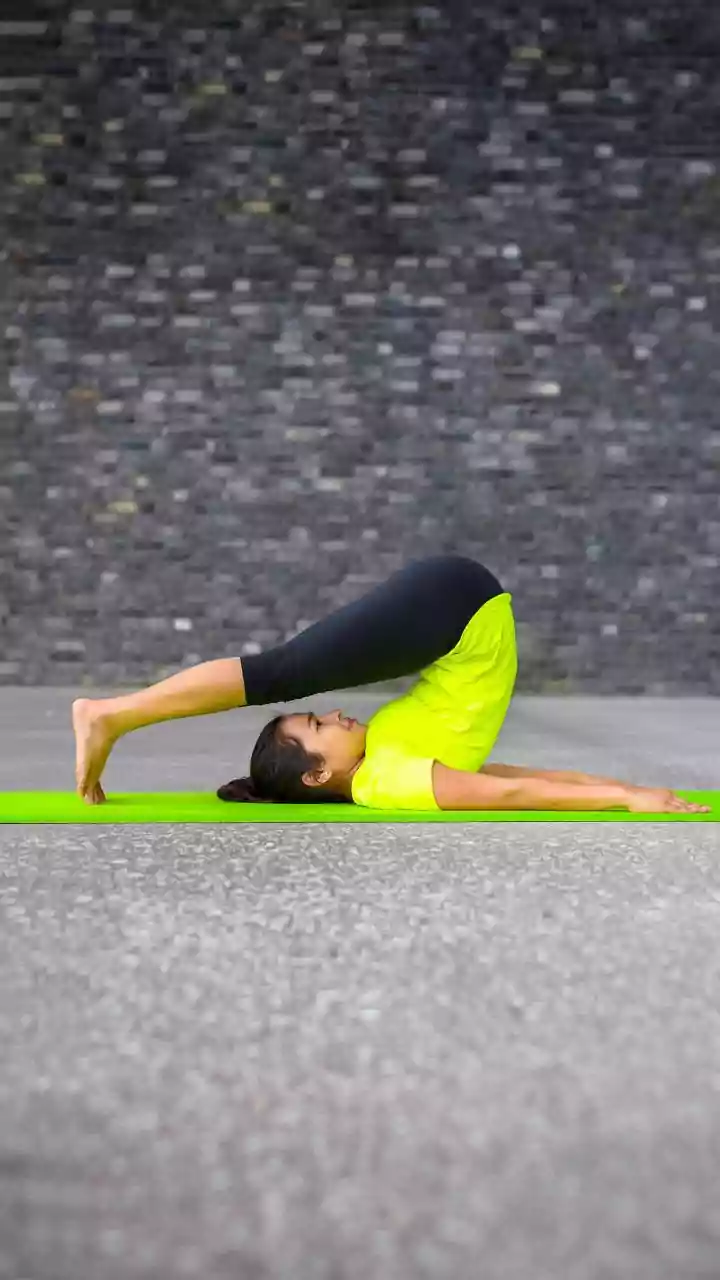



Aligning with Your Body's Rhythm
The time of day you choose for yoga can either energize or relax your system, making it a powerful tool for managing your daily wellness. A morning practice can align with your body's natural release of cortisol, a hormone that promotes alertness, helping
to wake you up and improve focus. Conversely, an evening session can help lower cortisol levels, signal to your body that it's time to wind down, and prepare you for a night of restorative sleep. It’s about working with your body’s internal clock, not against it.
The Morning Practice: For Energy and Focus
Starting your day with yoga can set a positive and productive tone. A morning session increases circulation and oxygen flow to the brain, which helps shake off any lingering grogginess and sharpens mental clarity. Many people find it easier to build a consistent habit in the morning before the day's distractions and responsibilities take over. Styles like Vinyasa, with its flowing movements, or a sequence of Sun Salutations are excellent for invigorating the body and mind. Even a brief 10 to 15-minute routine can boost your mood and prepare your nervous system for the day ahead.
Energizing Poses to Start Your Day
To get the most out of a morning practice, focus on poses that create energy and awaken the body. Downward-Facing Dog is a classic pose that stretches the entire body and stimulates blood flow to the brain, enhancing focus. Poses like Warrior I and Warrior II build strength and stamina, fostering a sense of resilience. Bridge Pose is a gentle backbend that opens up the chest, which can increase oxygen intake and help you feel more alert. These movements help release stiffness from sleep and strengthen your core to support you throughout the day.
The Evening Practice: For Relaxation and Sleep
An evening yoga session acts as a buffer between a busy day and a peaceful night. Its primary goal is to shift your nervous system from the 'fight-or-flight' state to the 'rest-and-digest' mode, which is essential for deep relaxation. By focusing on slow movements and deep breathing, you can reduce mental chatter and release the physical tension accumulated in your muscles, particularly in the neck, shoulders, and back. Studies have shown that a regular evening yoga practice can improve sleep quality and duration, helping to address issues like insomnia.
Calming Poses for a Restful Night
Gentle and restorative poses are best for an evening wind-down. Child's Pose is incredibly calming and helps relieve strain in the back and hips. Forward folds, whether seated or standing, are known to soothe the nervous system. A particularly effective pose for relaxation is Legs-Up-The-Wall, which helps calm the mind and can reduce swelling in the legs and feet. These slow, mindful stretches signal to your body and mind that the day is over and it is safe to rest and recover.
Listen to Your Body and Be Consistent
Ultimately, the best time to practice yoga is the time that you can consistently stick with. While these guidelines offer a framework, the most important factor is your own lifestyle and energy levels. Some days, you might crave an energizing morning flow, while on others, a quiet evening stretch might feel more necessary. Don't be afraid to experiment to see what feels right for you. Even a short, 20-minute session done with intention can make a significant difference in your physical and mental well-being.