







The New Power Skills
For years, a candidate's value was primarily measured by their hard skills—the specific, teachable abilities like coding, financial modelling, or machine operation. Today, the landscape is different. While technical skills will get your CV noticed, it is the so-called
'soft skills' that are sealing the deal and defining career trajectories. A recent TeamLease survey highlights that alongside digital literacy, skills like communication, teamwork, and adaptability are top priorities for employers. In fact, many reports now show that attributes like creativity, problem-solving, and strategic thinking are among the fastest-growing skills that companies in India are hiring for. This marks a fundamental change where employers are looking for well-rounded professionals who can navigate complex, dynamic work environments, not just execute technical tasks.
Drivers of the Shift: AI and Hybrid Work
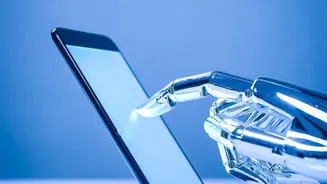
Two major forces are accelerating this focus on human-centric skills: the rise of Artificial Intelligence and the normalisation of remote and hybrid work models. As AI and automation begin to handle routine, repetitive tasks, the value of uniquely human abilities skyrockets. A McKinsey study predicted that millions of workers would need reskilling due to automation, with a greater emphasis on emotional intelligence and creative thinking. Simultaneously, the post-pandemic shift to hybrid work means employees must be more self-directed and reliable. In a less supervised environment, professionalism, clear communication across digital platforms, and the adaptability to manage changing schedules and tools are no longer optional—they are essential for productivity and team cohesion.
Communication: Beyond Just Language
When employers seek strong communication, they mean more than just fluency in a language. In 2026, it encompasses a wide range of abilities. This includes the clarity to convey complex ideas simply, both verbally and in writing. It also involves digital communication proficiency—mastering video calls, collaborative platforms like Slack and Teams, and professional email etiquette. Furthermore, active listening and empathy are crucial for building strong relationships with colleagues and clients, especially in diverse, global teams. According to a recent report, communication skills were a priority for nearly half of all employers, just behind digital literacy, underscoring their importance in today's interconnected workplace.
Professionalism Redefined for a Digital Era
In the modern workplace, professionalism has evolved. It is less about a strict dress code and more about reliability, accountability, and digital etiquette. It's the practice of taking ownership of your work, managing your time effectively without constant oversight, and maintaining a respectful and collaborative attitude in virtual meetings. Employers need people who can be trusted to deliver, regardless of their physical location. This new definition of professionalism is about demonstrating a strong work ethic and the ability to self-manage, which are critical traits for success in flexible work arrangements.
Adaptability: The Key to a Future-Proof Career
If there is one skill that defines the current era, it is adaptability. The pace of technological and economic change is relentless, and companies need employees who can pivot without losing momentum. According to LinkedIn, adaptability is one of the fastest-growing skills that employers are actively seeking. This means being open to learning new tools, taking on different responsibilities, and adjusting to new strategies or team structures. In a market where AI is constantly reshaping job roles, the ability to learn, unlearn, and relearn is what will ensure long-term career relevance and growth. Those who demonstrate a willingness to embrace change are seen as invaluable assets to any forward-thinking organisation.