



The Gourd Family Reigns
Gourds are the superstars of the rainy season, and for good reason. Varieties like bottle gourd (lauki), ridge gourd (turai), and pointed gourd (parwal) thrive in the humid weather. They are light on the stomach, high in water content, and packed with
nutrients. When shopping, look for gourds that are firm, slender, and have a vibrant, unblemished skin. A tender lauki will have a smooth, pale green exterior, while a good turai should have sharp, well-defined ridges. These vegetables absorb flavours beautifully, making them perfect for simple curries and dals.
Embrace the Bitter Gourd (Karela)
Many shy away from its bitter taste, but karela is a powerhouse of health benefits, especially during the monsoon when our immunity needs a boost. It is rich in Vitamin C and antioxidants that help fight off seasonal infections. To choose a good one, look for a bright green colour and a firm, bumpy texture. Avoid any that are yellow or have soft spots. A useful tip to reduce bitterness is to scrape the skin, slice it, and rub it with salt. Let it sit for about 30 minutes before rinsing and cooking.
Sturdy and Crisp Okra (Bhindi)
Okra, or bhindi, is a beloved vegetable available for most of the year, but it is particularly reliable during the monsoon. It's a great source of fibre and folate. The key to a good bhindi dish is selecting the right pods. Look for smaller, brighter green pods that are firm to the touch. A simple test for freshness is to snap the tail end—if it breaks with a clean, crisp sound, it’s tender. If it just bends, it's likely old and will be stringy when cooked.
The Versatile Pumpkin (Kaddu)
Both the yellow and green varieties of pumpkin are excellent choices for the rainy season. Pumpkin is loaded with beta-carotene, which the body converts to Vitamin A, a crucial nutrient for a strong immune system. It's also low in calories and high in fibre. When buying a whole pumpkin, ensure it feels heavy for its size and has a hard, deep-coloured rind. If you're buying slices, check for a bright orange or yellow flesh and a fresh, moist appearance. Avoid any with dry or discoloured patches.
Earthy Root Vegetables
Root vegetables like sweet potatoes and beetroot are hearty, nutritious, and generally safer from contamination as they grow underground. Beetroot is known to be an excellent source of iron and potassium, which can help with circulation and blood pressure. When selecting root vegetables, look for those that are firm, smooth, and free from cracks, soft spots, or sprouting. They should feel heavy and dense, indicating they are fresh and not dried out. These are perfect for roasting, soups, or making into warm salads.
A Note on Leafy Greens
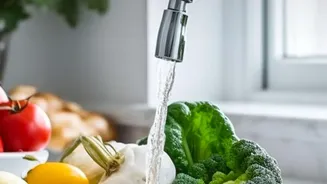
Health experts often advise caution with leafy vegetables like spinach (palak) and fenugreek (methi) during the monsoon. The high humidity and mud can make them prone to bacterial and fungal growth. If you do buy them, be extra diligent. Avoid any leaves that are wilted, slimy, or have holes. The most crucial step is cleaning: soak them in salt water or a vinegar solution for 10-15 minutes, then rinse thoroughly under clean, running water. It is always best to cook leafy greens well during this season and avoid eating them raw in salads or chutneys.