


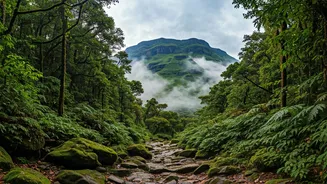


Embrace the Monsoon Magic
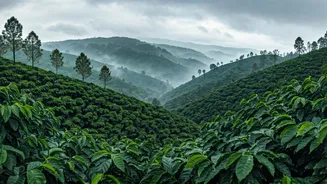
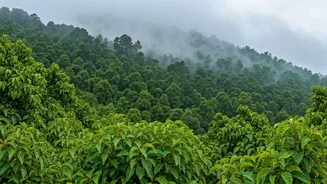
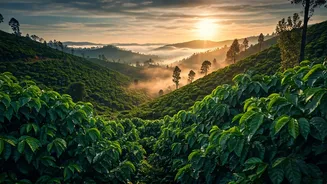
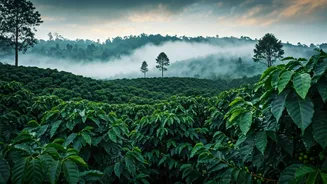
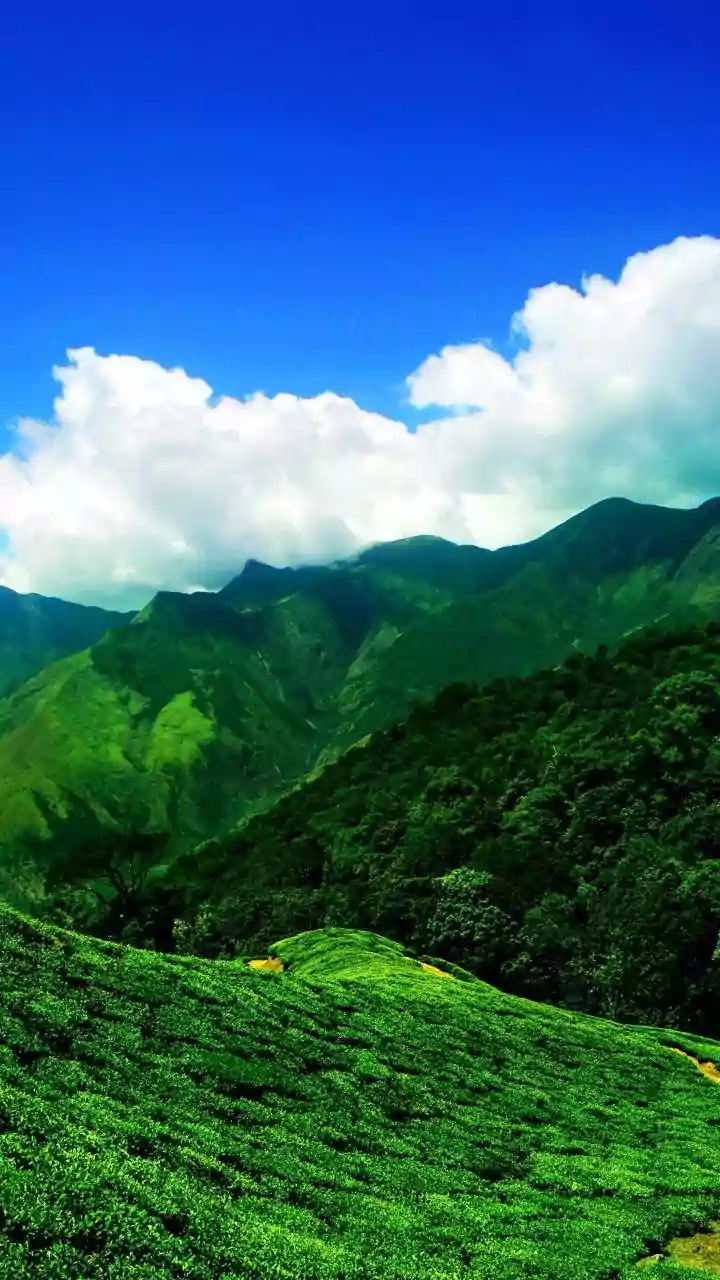
While many tourists flock to Coorg, or Kodagu, during the drier winter months, the monsoon season (typically June to September) offers a completely different, arguably more magical, experience. The landscape transforms into a vibrant canvas of fifty shades
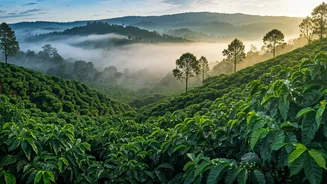
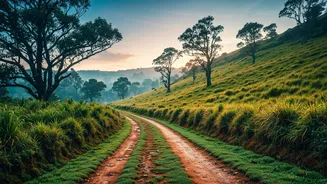
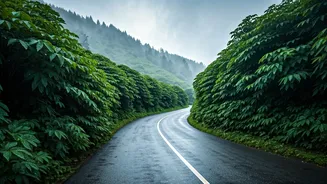
of green. The coffee estates, their broad leaves glistening with raindrops, become serene sanctuaries. For backpackers, this off-peak season translates to fewer crowds, more intimate encounters with nature, and often, better deals on accommodation. The constant drumming of rain on a tin roof, a hot cup of locally brewed coffee in hand, and a view of misty hills is a vibe that cannot be replicated. It’s a time for quiet introspection, thrilling treks on rain-washed trails, and witnessing waterfalls in their most ferocious and beautiful state.
Backpacker Havens: Where to Stay
Coorg is dotted with homestays that offer a far more authentic experience than a generic hotel. Many are located right within coffee or spice plantations, run by families who have lived there for generations. For a backpacker’s budget, areas around Madikeri, Somwarpet, and Virajpet offer numerous affordable options. Look for homestays that specifically welcome backpackers; they often have simpler amenities but provide invaluable local knowledge. Hostels are also becoming more common. Staying in a homestay gives you a direct line to the local culture, cuisine, and, of course, the freshest coffee you will ever taste. Waking up to the sounds of the plantation and sharing stories with your hosts is an integral part of the Coorg monsoon experience.
Navigating the Coffee Trail
The heart of your trip will be exploring the coffee plantations. Many larger estates offer guided “bean-to-cup” tours where you can learn about the process of growing, harvesting (though monsoon is the growing season for Arabica), and processing coffee. Some popular estates like Tata Coffee's Plantation Trails or Orange County's private estates offer structured tours, but for a more rustic feel, ask your homestay owner. They can often arrange a walk through their own or a neighbour's smaller, more intimate plantation. Remember to be respectful; these are private properties and working farms. A guided walk is the best way to understand the delicate ecosystem, learn to distinguish between Arabica and Robusta plants, and spot the pepper vines that often grow alongside them.
Adventures Beyond the Beans
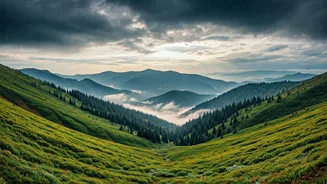
Coorg isn’t just about coffee. The monsoon swells the region’s waterfalls, making them a spectacular sight. Abbey Falls, near Madikeri, and Iruppu Falls, near the border with Kerala, are powerful and mesmerizing during this time. Be cautious, as the rocks can be extremely slippery. Trekking is another major draw. While some difficult trails may be closed, routes like the Tadiandamol trek offer breathtaking views of the misty Western Ghats. It’s essential to go with a local guide who knows the monsoon trail conditions. For a dose of culture, visit the Namdroling Monastery in Bylakuppe, one of the largest Tibetan settlements in India. The serene chants provide a beautiful contrast to the roar of the rain.
Packing for a Wet and Wild Trip
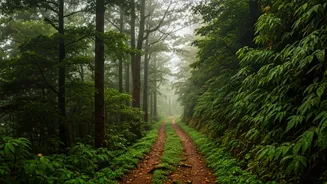
Packing smart is crucial for a monsoon backpacking trip. Prioritise a good quality waterproof backpack or a reliable rain cover. Pack quick-drying clothes; jeans are a bad idea. A sturdy pair of shoes with excellent grip is non-negotiable for slippery plantation trails. Perhaps the most important local tip: carry leech socks. These pesky critters are common in the wet undergrowth. Also, pack a waterproof pouch for your electronics, a power bank (power cuts can be common during heavy rains), and some basic first-aid supplies. A lightweight raincoat or poncho is, of course, essential. The goal is to stay comfortable so you can focus on the stunning scenery around you.