


Whether you sit at a desk all day or wake up feeling stiff, the Cat-Cow stretch is a simple, powerful tool for your wellness routine. This foundational yoga sequence gently mobilizes the spine, connecting breath with movement.
What is Cat-Cow?
Cat-Cow is not one static
pose but a gentle, flowing movement between two complementary positions: Marjaryasana (Cat Pose) and Bitilasana (Cow Pose). It’s a dynamic sequence often used as a warm-up in yoga classes to awaken the spine and prepare the body for more activity. The goal is to synchronize your breath with the motion, inhaling into the arch of Cow Pose and exhaling into the rounding of Cat Pose. This mindful coordination makes it more than just a simple stretch; it's a practice in body awareness.
Setting Up Your Tabletop Position
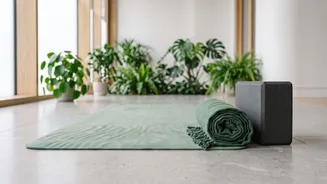
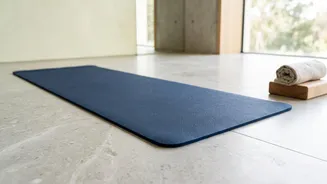
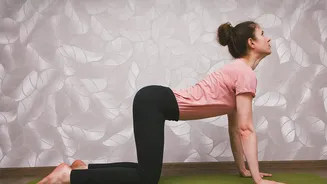
Proper alignment is key to getting the most out of Cat-Cow. Start on all fours on a yoga mat or soft surface in a 'tabletop' position. Your wrists should be directly under your shoulders, and your knees should be directly under your hips, about hip-width apart. Spread your fingers wide to distribute your weight evenly and reduce pressure on the wrists. Your spine should be in a neutral, straight line—not sagging or arched. Keep your gaze directed toward the floor to maintain a long neck.
Flowing into Cow Pose (Bitilasana)
To begin the flow, inhale slowly through your nose. As you breathe in, drop your belly toward the mat, lift your tailbone toward the ceiling, and broaden your collarbones. Draw your shoulders away from your ears and lift your chest forward. Your gaze should gently lift forward or slightly upward, but avoid cranking your neck back. The entire movement should initiate from your pelvis, creating a gentle 'U' shape with your spine.
Rounding into Cat Pose (Marjaryasana)
As you exhale, reverse the movement. Press firmly into your hands and round your spine toward the ceiling, like a cat stretching its back. Tuck your tailbone under and gently draw your navel toward your spine to engage your core. Allow your head to release toward the floor, bringing your chin toward your chest without forcing it. You should feel a pleasant stretch across your upper back and between your shoulder blades. Continue flowing between Cow on your inhales and Cat on your exhales for 5 to 10 rounds.
The Key Benefits
The simplicity of Cat-Cow hides a wealth of benefits. Its primary function is to improve spinal flexibility and mobility, reducing stiffness from long periods of sitting. The movement stretches the front and back of the torso, strengthens the muscles supporting the spine, and can help improve posture over time. By connecting movement with slow, deliberate breathing, it also has a calming effect on the nervous system, helping to reduce stress. Additionally, the gentle compression and release of the abdomen can stimulate circulation and aid digestion.
Common Mistakes and How to Fix Them
To ensure a safe and effective practice, watch out for a few common errors. Many people move too quickly; the key is to match the movement to the length of your breath. Avoid collapsing into your shoulders; instead, actively press the floor away. Another frequent mistake is leading with the head instead of initiating the movement from the pelvis. Also, keep a micro-bend in your elbows to avoid locking the joints. Finally, don't force the range of motion. The stretch should feel gentle and relieving, not painful.
Modifications for Your Body
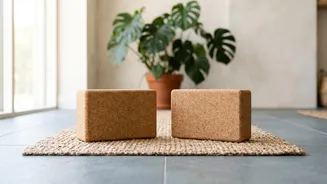
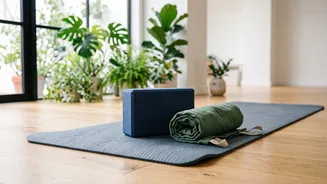
Cat-Cow is highly adaptable. If you have sensitive knees, place a folded blanket or towel underneath them for extra cushioning. For wrist pain, you can come down onto your forearms, place your hands on yoga blocks, or make soft fists and rest on your knuckles instead of your palms. The entire sequence can also be done while seated in a chair, making it accessible at the office or while traveling. Simply place your hands on your knees and move through the same spinal arching and rounding motions.