



A Vision for Wildlife After Dark
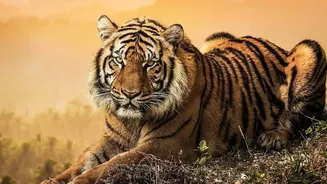
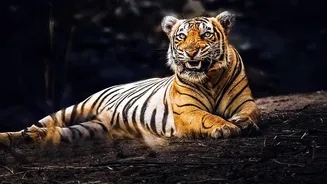
Imagine observing majestic tigers and elusive leopards under a simulated moonlit sky, all within the bounds of a major city. This is the core vision for the Kukrail Night Safari. After securing final clearance from the Supreme Court in July 2026, the Uttar
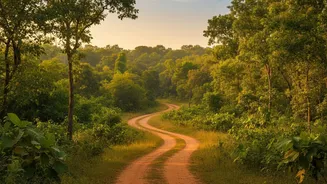
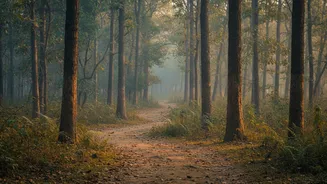
Pradesh government is moving forward with the ₹1,510-crore project, which is inspired by Singapore's famous nocturnal zoo. Set to be developed within an 855-acre section of the sprawling 2,027-hectare Kukrail Reserve Forest, the project will be India's first urban night safari of this scale. The goal is to provide an immersive experience, allowing visitors to see nocturnal animals during their most active hours in large, naturalistic habitats, a stark contrast to a conventional daytime zoo.
More Than Just a Traditional Zoo
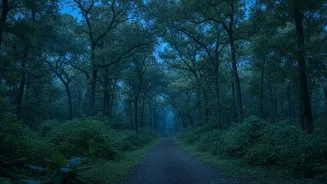
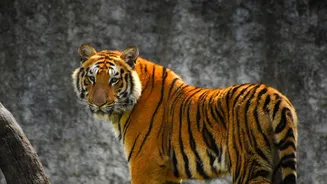
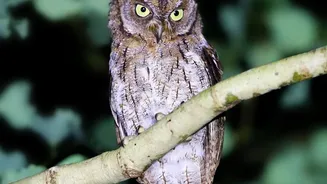
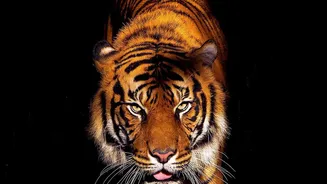
The Kukrail Night Safari is designed to be an 'open' experience. Instead of cages, animals will be housed in spacious enclosures separated from visitors by moats or other unobtrusive barriers. Visitors will travel through different theme-based zones on quiet, battery-operated trams during a planned 40-minute ride. A special lighting system designed to mimic natural moonlight will ensure animals are not disturbed while remaining visible. The initial phase is planned to include habitats for species like the Asiatic lion, Bengal tiger, leopard, hyena, and flying squirrel. This approach aims to offer a more authentic glimpse into animal behaviour while prioritising their welfare. The project also includes plans for a separate day zoo, though its development is contingent on state government decisions.
The Dual Mandate of Conservation
Beyond the tourist trails, the project carries a significant conservation mandate. Officials have stated that the safari will function as a facility for conservation breeding, research into nocturnal wildlife, and public education. The Kukrail area is already home to a highly successful gharial conservation and breeding centre, which has been instrumental in rehabilitating the endangered reptile's population in India's rivers for decades. This existing conservation legacy is set to be integrated with the new development. The safari aims to highlight often-overlooked nocturnal species and contribute to their protection, moving beyond a purely spectacle-driven attraction. Proponents argue that by creating a managed ecotourism destination, the project can also help reduce pressure on more fragile, remote national parks.
Balancing Ambition with Ecological Reality
The project's journey has not been without scrutiny. Its location within an ecologically sensitive reserve forest prompted a years-long review process involving the Central Empowered Committee (CEC) and the Supreme Court. Environmentalists raised concerns about the felling of thousands of trees and the potential disruption to the forest's rich biodiversity, which includes nearly 40 species of amphibians and reptiles. As a result of this oversight, the project underwent significant modifications. The initial proposal to relocate the century-old Lucknow Zoo to Kukrail was rejected, as was a plan for a four-lane road through the forest. The court has imposed strict conditions, including a rule to plant ten trees for every one felled and periodic site inspections to ensure compliance.