

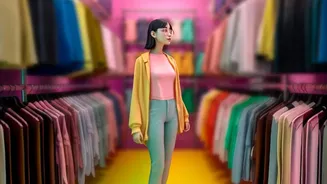


The Instagram-Powered Thrift Store
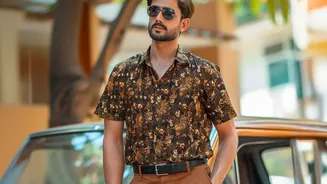
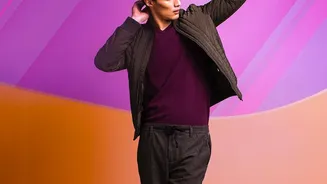
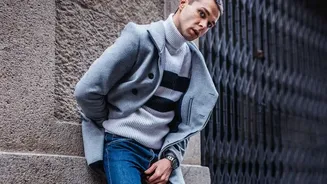
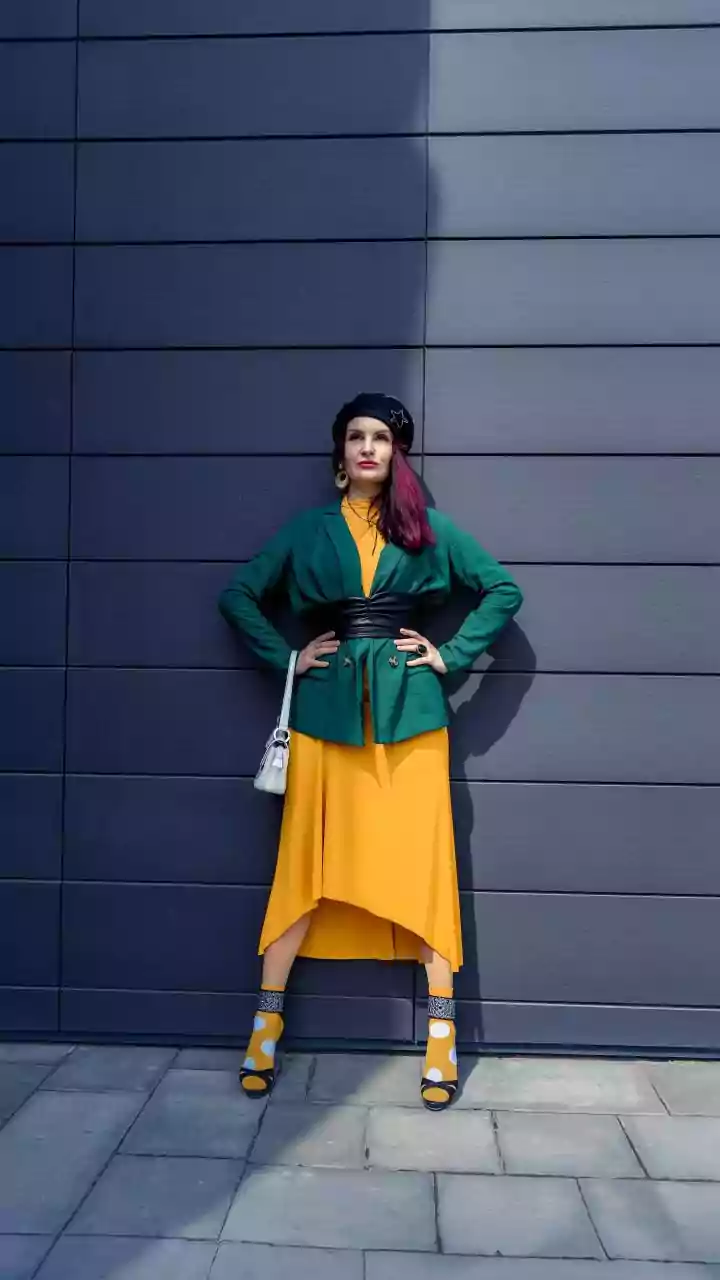
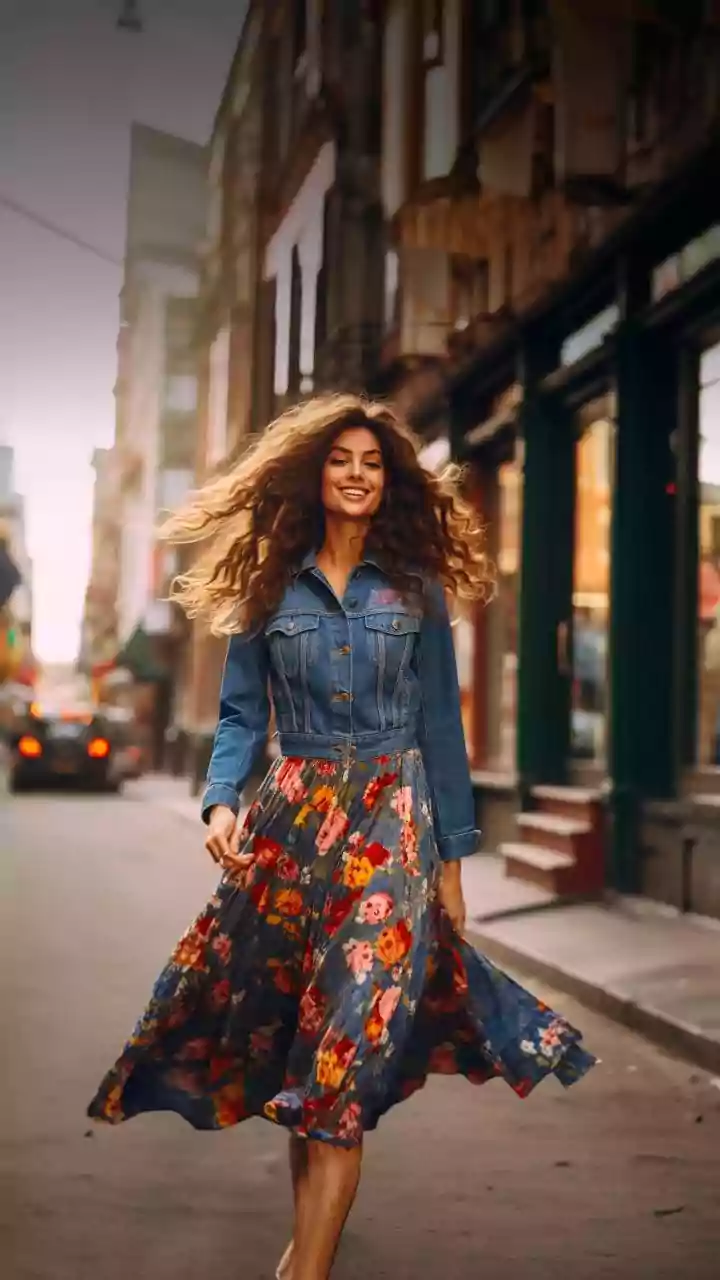
The single biggest driver of modern thrifting in India is the smartphone. Instagram has transformed second-hand shopping from rummaging through dusty markets into a curated, boutique-like experience. Thousands of online stores, often run by young entrepreneurs,
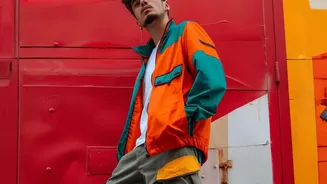
operate entirely through the app. They create aesthetically pleasing feeds, style unique looks, and build loyal communities. These digital curators handpick everything from vintage streetwear and Y2K fashion to rare denim and branded surplus clothing. Using features like timed 'drops' for new collections, they generate excitement and a sense of exclusivity, making pre-loved fashion not just acceptable, but highly desirable. For many shoppers, it’s a treasure hunt for one-of-a-kind pieces that mall stores can’t offer.
Upcycling: The Creative Art of Renewal
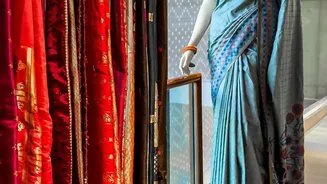
Circular fashion isn’t just about buying second-hand; it's also about extending the life of what you already own. Young Indians are embracing upcycling, a practice deeply rooted in the country's traditional culture of reuse. This goes far beyond simple repairs. It’s about creatively transforming old or worn-out garments into entirely new pieces. An old silk sari might become a vibrant lehenga or a set of co-ord pieces, while a faded pair of jeans can be given new life with embroidery or patchwork. DIY culture, fuelled by online tutorials, encourages this creativity, turning a torn shirt into a custom-painted jacket or old fabric scraps into unique accessories. This approach adds personal and emotional value to clothing, challenging the disposable nature of fast fashion.
Community Clothing Swaps
Another key step in the circular fashion movement is the rise of clothing swap events in major cities like Mumbai, Delhi, and Bengaluru. These events provide a social, interactive, and wallet-friendly way to refresh a wardrobe. Organisations like Bombay Closet Cleanse and Fashion Revolution India host regular swap parties where attendees can bring gently used clothes and exchange them for items brought by others. The model is simple: reduce waste, promote creativity, and build a community around sustainable choices. Far from the stigma once attached to hand-me-downs, these events are now trendy social gatherings for a generation that values experiences and responsible consumption.
Rethinking Ownership with Rentals
For occasions that demand a show-stopping outfit you might only wear once, a new circular solution is gaining traction: fashion rentals. While not as widespread as thrifting, rental services offer a smart alternative to buying expensive occasion-wear that will likely gather dust in a closet. This model allows fashion lovers to access high-end designer pieces for a fraction of the retail price, supporting the principle of using more and owning less. It directly combats the 'wear once' culture often associated with festive and event dressing, ensuring that beautiful garments are enjoyed by many people instead of being discarded after a single use. This aligns perfectly with the circular economy's goal of maximizing a product's life cycle.
Conscious Consumption and Care
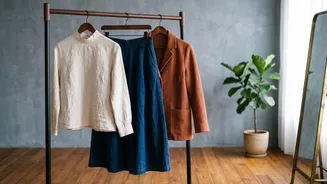
Supporting circular fashion also involves a mental shift in how we view and care for our clothes. This final step is about mindful consumption. It starts with asking whether a new purchase is truly needed and choosing items built to last. For Gen Z, sustainability is a key factor in their purchasing decisions. Furthermore, it extends to proper garment care—washing clothes correctly to prolong their life, mending small tears instead of discarding the item, and repeating outfits without feeling pressured by fast-fashion trend cycles. When a garment truly reaches the end of its life, responsible disposal, such as donating to textile recycling programs or turning it into cleaning rags, closes the loop, preventing it from ending up in a landfill.