







Understanding Traveler's Tummy Troubles
The most common health issue for travelers is diarrhea, often caused by consuming food or water contaminated with bacteria, viruses, or parasites. [6, 18] When you travel to a place with different sanitation standards or climate, your body is exposed
to unfamiliar microorganisms. [18] This can lead to unpleasant symptoms like cramps, nausea, and loose stools, effectively putting your travel plans on hold. [6] While it’s usually not serious and resolves on its own, prevention is always better than cure. [18] The key is not to be fearful, but to be informed and prepared. Simple precautions can significantly reduce your risk and allow you to explore with confidence. [10, 18]
Mastering Water Safety
Unsafe water is a primary culprit for travel-related illnesses. The golden rule is to avoid tap water, including ice cubes made from it. [8, 19] Always opt for commercially sealed bottled water, ensuring the seal is intact before you drink. [12, 17] Reputable brands like Bisleri or Aquafina are generally a safe bet in India. [12] If bottled water isn't available, you have other options. Boiling water for at least one minute is the most reliable method to kill pathogens. [9, 14] Portable water purifiers, UV sterilizers like SteriPEN, or chemical disinfection tablets (chlorine or iodine) are also effective alternatives to carry in your travel kit. [4, 9, 11] It is also wise to use bottled or purified water for brushing your teeth to minimize risk. [6, 7]
Making Smart Food Choices
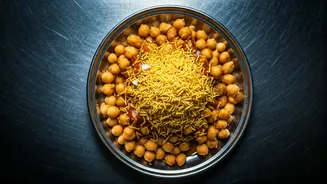
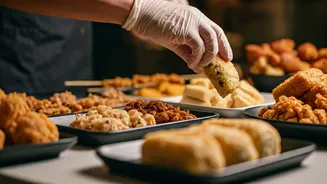
The simple mantra "Boil it, cook it, peel it, or forget it" is your best guide to food safety. [18, 24] Prioritize foods that are thoroughly cooked and served steaming hot, as high temperatures kill harmful bacteria. [3, 17, 22] Be cautious with food that has been sitting at room temperature, like at buffets. [19] When it comes to street food, choose vendors that are busy and popular with locals; high turnover usually means fresher ingredients. [2, 17] Watch for good hygiene practices, such as clean workstations and vendors who don't handle money and food simultaneously. [2, 16] While street food can be a highlight, avoiding it altogether is a safer bet if you have a sensitive stomach or are new to a region. [18]
Navigating Raw Foods and Dairy
Raw foods pose a higher risk because they aren't heat-treated. Avoid raw salads and vegetables unless you are certain they were washed in purified water. [17, 24] The safest way to enjoy fruit is to choose those with a peel that you can remove yourself, like bananas and oranges. [6, 17] Steer clear of pre-cut fruits, which may have been exposed to contaminants. [12] Unpasteurized dairy products, including milk and some cheeses, should also be avoided. [7, 18] Opt for pasteurized milk and dairy from reputable sources. [21] When in doubt, it’s always better to skip a dish than to risk getting sick.
Your Personal Hygiene Toolkit
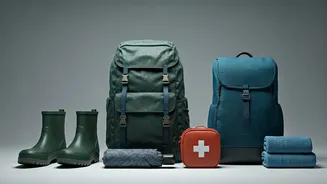
Good hygiene is your first line of defense. Many illnesses are transferred from contaminated hands to your mouth. [10] Wash your hands frequently with soap and clean water, especially before eating. [6, 25] When soap and water are not available, an alcohol-based hand sanitizer with at least 60% alcohol is an excellent substitute. [24] It’s a good idea to pack a small first-aid kit with essentials. Include items like hand sanitizer, oral rehydration salts (ORS) to combat dehydration if you do get sick, and over-the-counter anti-diarrheal medication. [16, 22] Having these items on hand can provide peace of mind and immediate relief.