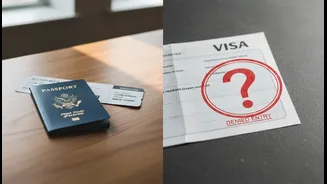









What Exactly Is a Transit Visa?
A transit visa is a short-term permit that allows you to pass through a country on your way to your final destination. Unlike a tourist visa, it doesn't let you explore the country; its purpose is solely to allow you to wait in an airport for your connecting
flight. Whether you need one depends on your nationality, the country you are transiting through, and the length of your layover. Some countries require them even if you never leave the international transit area of the airport.
The 'Cheap Flight' Self-Transfer Trap
Budget-friendly itineraries often involve 'self-transfer' flights. This means you might be flying with different airlines that don't have a partnership. In these cases, you often have to exit the secure transit area, pass through immigration, collect your luggage, and check in again for your next flight. This process is considered 'landside' transit and almost always means you are officially entering the country, even for just an hour or two. If that country requires a visa for your nationality, you will need one, turning that cheap flight into a very expensive problem.
Common Countries to Watch For
Visa rules are complex and can change, but for Indian passport holders, some key hubs historically have strict transit rules. The United States, for example, does not have sterile international transit zones, meaning almost everyone who transits through the US must clear immigration and thus needs a valid visa or ESTA. The United Kingdom also has specific transit visa requirements, though exemptions exist if you hold valid visas for countries like the US, Canada, or Australia. Many Schengen Area countries also require Airport Transit Visas (ATVs) for Indian nationals, although there have been recent positive changes. As of early 2026, both France and Germany lifted their airport transit visa requirements for Indians who remain within the international transit zone.
The Consequences of Getting It Wrong
Assuming you don't need a visa can have serious consequences. The most immediate one is being denied boarding by your airline. Airlines face hefty fines for transporting passengers with improper documentation, so they are extremely strict about checking visa requirements before you even get on the first flight. If you somehow manage to fly, you could be detained by immigration authorities at your layover airport, forced to buy an expensive last-minute flight to a destination you're allowed to enter, or even be sent back to your point of origin at your own expense.
How to Check if You Need One
The golden rule is to always check visa requirements before you book your ticket. The single most reliable sources are the official embassy or consulate websites for the country you will be transiting through. They will have the most current information based on your specific nationality and travel documents. Another excellent resource is the IATA Travel Centre, which airlines themselves use to verify passenger document requirements. Finally, while you can ask your airline, remember that the ultimate responsibility for having the correct documents rests with you, the traveller.