







A Cultural & Culinary Staple
Long before modern energy drinks and sodas, Indian households relied on lassi to combat the intense summer heat. [12] Originating in the Punjab region, this yogurt-based drink is more than just a thirst-quencher; it’s a piece of culinary heritage. [18]
Traditionally served as a gesture of hospitality, lassi has been a trusted companion for generations, enjoyed during festivals, with meals, or simply as a refreshing afternoon break. [18] Its enduring popularity lies in its simplicity and its perfect balance of refreshment and nourishment, a combination that has cemented its place in Indian culture as the go-to heatwave remedy. [12]
The Science of Staying Cool
The cooling power of lassi isn't just a feeling; it's rooted in science. The main ingredient, yogurt (dahi), has natural properties that help lower body temperature. [2] When you're feeling drained by the heat, a glass of lassi provides immediate relief. [9] Unlike sugary sodas that can lead to energy crashes, lassi provides sustained hydration. [16] Made from yogurt and water, it's excellent at replenishing fluids lost through sweat. [9] Furthermore, the electrolytes naturally present in yogurt, such as potassium and sodium, are crucial for maintaining your body's fluid balance, making lassi a perfect drink to prevent dehydration. [3, 15]
A Probiotic Powerhouse for Digestion
Summer heat can often wreak havoc on our digestive systems. Lassi is rich in probiotics, the beneficial bacteria that support a healthy gut. [2] These probiotics are essential for maintaining a balanced gut microbiome, which aids in digestion and helps the body absorb nutrients more efficiently. [3, 18] Regular consumption can help prevent common summer digestive issues like bloating and indigestion. [2] By promoting good gut health, lassi also helps to strengthen your immune system, making your body better equipped to handle heat-related stress and illnesses. [2, 15]
Sweet, Salty, or Spiced: A Lassi for Every Palate
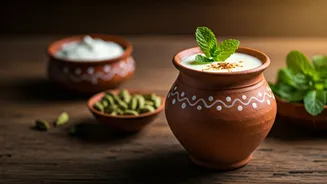
One of the greatest appeals of lassi is its versatility. The two most classic versions are 'meethi' (sweet) and 'namkeen' (salty). Sweet lassi is often blended with sugar, cardamom, or rosewater for a fragrant treat. Salty lassi, also known as chaas in some variations, is typically seasoned with roasted cumin powder, black salt, and sometimes fresh mint or coriander leaves. [8, 24] Beyond the classics, the options are endless. Mango lassi is a global favorite, blending ripe mangoes into the yogurt base for a fruity, creamy delight. [10, 25] Other popular variations include those made with chocolate, pineapple, or even spices like ginger and chili for an extra kick. [13, 21, 25]
The Homemade Advantage
While store-bought lassi is convenient, making it at home allows you to control the ingredients and tailor it to your health needs. Commercially prepared lassis, especially fruit-flavored ones, can be very high in sugar. [19, 20] A typical 240g serving of mango lassi can contain around 30 grams of sugar. [19] When you make it yourself, you can use a natural sweetener like honey or jaggery, or let the fruit provide the sweetness. For a basic sweet lassi, simply blend plain yogurt with water (or milk for a creamier texture), your choice of sweetener, and a pinch of cardamom. [10] For a savoury version, blend yogurt and water with roasted cumin powder and black salt. [10] This simple, homemade approach ensures you get all the benefits without the unhealthy additives. [16]