


The Power of a Single Light Source
Before you plan a complete overhaul, consider the power of a single, well-chosen light fixture. More than just a functional object, a lamp or pendant is a piece of sculpture that sets the tone for the entire room. It can act as a central focal point,
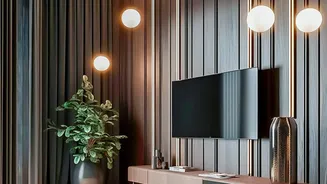
draw the eye upwards, and dictate the mood, shifting a space from bright and functional to warm and intimate with the flip of a switch. In modern Indian homes, designers are increasingly using lighting not just for illumination but as the primary decorative element that defines a room's character.
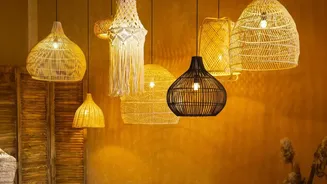
Pendants: The Statement Makers
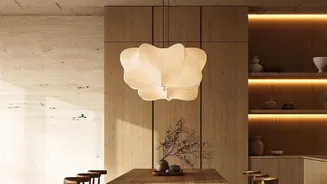
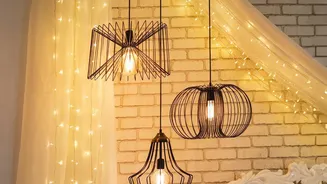
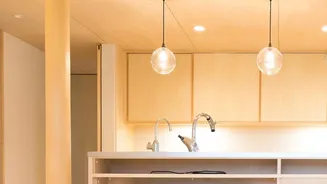
Pendant lights are one of the easiest and most impactful upgrades you can make, even in a rented home. Hung over a dining table, they create an intimate zone for meals. A cluster of pendants at varying heights can add artistic drama to a living room corner or staircase. In the kitchen, a row of pendants over an island provides excellent task lighting for chopping and prep work. The key is to get the scale and height right. A pendant over a dining table should typically hang 75-85 cm above the surface, creating a distinct pool of light without obstructing views.
Lamps: The Versatile Mood Setters
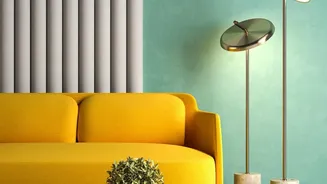
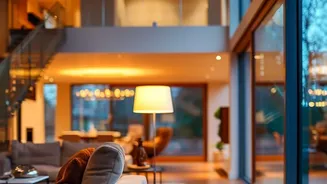
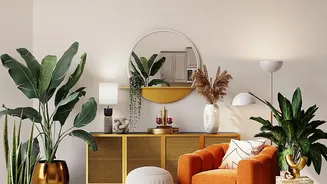
If pendants are the statement jewelry, then floor and table lamps are the essential accessories that complete the outfit. They are perfect for creating layers of light, which is the secret to a professionally designed space. Use a floor lamp to create a cozy reading nook next to an armchair. Place a stylish table lamp on an entryway console to make a welcoming first impression. In the bedroom, a pair of matching lamps on either side of the bed provides symmetry and soft, relaxing light perfect for winding down. Unlike ceiling fixtures, lamps are flexible; you can move them around to instantly change the feel of a room.
Material and Texture Matter
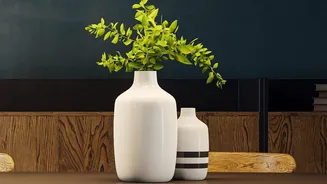
The material of your light fixture is just as important as its shape. For a touch of tradition and heritage, brass and copper lamps add a warm, golden glow that complements rich wood furniture and colourful textiles. Designs inspired by traditional forms, like the 'kalash', can root a modern home in Indian culture. For a more organic, earthy feel, materials like jute, rattan, cane, and wood have become incredibly popular. These natural fibres bring texture and warmth, pairing beautifully with both minimalist and bohemian decor. Glass and crystal fixtures can add a touch of glamour and lightness, while ceramic bases offer a pop of colour and handcrafted charm.
Choosing the Right 'Colour' of Light
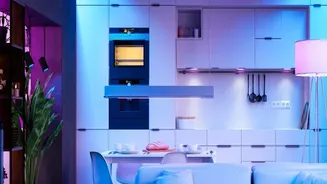
The transformation isn't just about the fixture; it's also about the bulb inside it. The colour temperature of a bulb, measured in Kelvin (K), dramatically affects a room's atmosphere. For living rooms, bedrooms, and dining areas, always opt for 'warm white' light (around 2700K to 3000K). This temperature casts a cozy, yellowish glow that is inviting and flattering, making spaces feel like a home rather than a clinic. Cooler, whiter light can feel harsh and is best reserved for functional areas like kitchens or study rooms where clear visibility is the priority. Many modern LED fixtures also come with dimmers, allowing you to adjust the brightness to suit any occasion.