
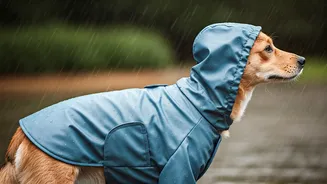


Why Monsoon Paw Care Is Crucial
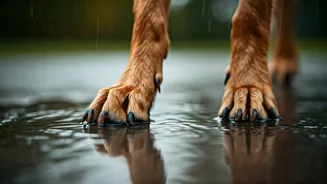
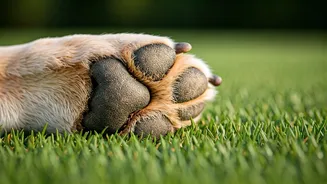
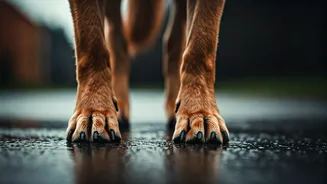
The damp, humid conditions of the Indian monsoon are a perfect breeding ground for bacteria and fungi. When your dog walks through puddles and on wet ground, their paws pick up more than just dirt. The constant moisture trapped between their paw pads
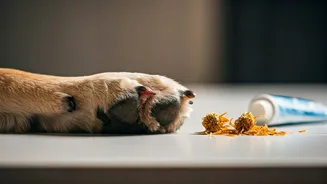
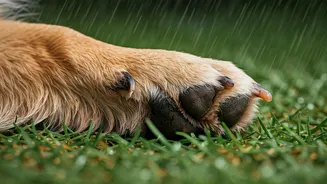
can soften the skin, making it vulnerable to irritation and infection. This can lead to painful conditions like pododermatitis (inflammation of the paw skin), yeast infections, or bacterial pyoderma. Symptoms often start with excessive licking and chewing, and can progress to redness, swelling, an unpleasant odour, and even sores if left unchecked. A simple, consistent cleaning routine is your best defence against these issues.
Warning: Avoid Human Antiseptics
It might be tempting to reach for a common household antiseptic like Dettol to disinfect your dog's paws, but this is extremely dangerous. These products contain chemicals like Chloroxylenol, which is toxic to dogs. When applied to the skin, it can cause chemical burns and irritation. The real danger comes when dogs instinctively lick their paws after cleaning. Ingesting these chemicals can lead to poisoning, with symptoms ranging from vomiting to severe internal damage. Always stick to products that are specifically approved for pets or recommended by a veterinarian.
Hack 1: The Povidone-Iodine Soak
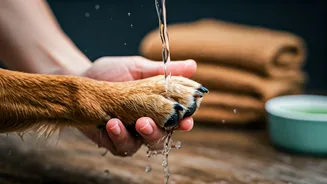
One of the most recommended and effective antiseptic solutions is a povidone-iodine soak. This is the active ingredient in products like Betadine, which is readily available at most pharmacies. The process is simple: dilute the povidone-iodine solution with warm water until it reaches the colour of light iced tea. Do not use it undiluted, as it can be too harsh. Have your dog stand with their paws in a shallow tub of this solution for two to five minutes. This allows the antiseptic to work against bacteria and fungi. One of the biggest benefits is that you don't need to rinse it off; simply pat the paws completely dry afterwards.
Hack 2: A Chlorhexidine Cleanse
Chlorhexidine is another gentle yet powerful antiseptic that is widely used in veterinary medicine for its effectiveness against a broad spectrum of microbes. It is available in various forms, including medicated shampoos, sprays, and wipes. For post-walk cleaning, chlorhexidine wipes are incredibly convenient for a quick and targeted clean-up. For a more thorough wash, you can use a diluted chlorhexidine solution as a paw soak, similar to the iodine method. This is particularly useful for dogs prone to recurring paw infections or allergies. Always follow the product’s dilution instructions or your vet’s advice.
Hack 3: The Natural Apple Cider Vinegar Rinse
If you prefer a natural approach, apple cider vinegar (ACV) is a great option due to its natural antibacterial and antifungal properties. Create a rinse by mixing equal parts raw, unfiltered ACV and water. You can use this solution in a spray bottle to spritz on a cloth for wiping, or as a shallow soak for a few minutes. Unlike povidone-iodine, it is best to rinse the ACV solution off with plain water, as it can be slightly irritating if left on. Never use this rinse on cracked or open sores as it will sting.
The Most Important Step: Drying Thoroughly
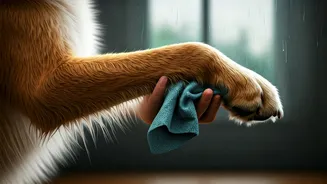
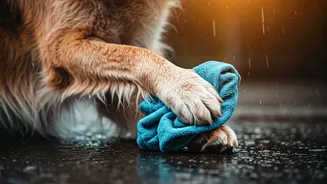
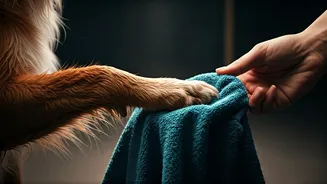
No matter which cleaning method you choose, the final step is the most critical: drying. Moisture is the primary enabler of fungal and bacterial growth, so leaving paws damp will undo all your cleaning efforts. Use a clean, absorbent towel and make sure to gently dry the entire paw, paying special attention to the often-neglected areas between the toes and paw pads. Trapped moisture here is a leading cause of interdigital infections. For dogs with thick fur, you can even use a hairdryer on a low, cool setting to ensure the area is perfectly dry.