








The Symphony of the Senses
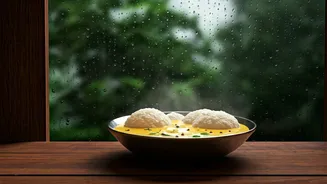
The Indian monsoon is more than just a weather pattern; it's a multi-sensory cultural event. It’s the earthy scent of rain hitting dry soil, the dramatic grey skies, and the rhythmic drumming of water against windowpanes. This change in atmosphere triggers
a near-instinctive shift in our cravings. The body, cooled by the drop in temperature, yearns for warmth and comfort. And in India, comfort often tastes like something deep-fried, piping hot, and wonderfully crunchy. But the hero of this story isn't just the pakora or the samosa; it's the vibrant, flavour-packed condiment that elevates it from a simple snack to a cherished ritual.
A Perfect Partner for Pakoras
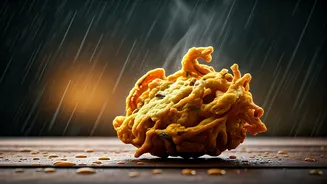
Imagine a platter of assorted bhajiyas—onion, potato, spinach—emerging glistening from a wok of hot oil. They are delicious on their own, but can feel heavy. This is where chutney performs its magic. It’s not merely a dip; it’s a balancing act in a bowl. The fresh, sharp, or tangy notes of a chutney cut through the richness of the fried food, cleansing the palate and inviting you to take another bite. This dynamic interplay of hot and cool, rich and fresh, savoury and zesty is the cornerstone of the monsoon snacking experience. Without the chutney, the snack is incomplete, like a song without its melody.
The Evergreen Star: Mint-Coriander Chutney
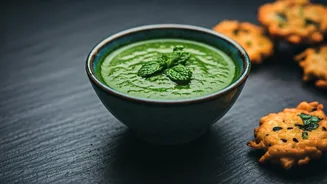
The most ubiquitous of all rainy-day partners is the hari chutney, or green chutney. Made primarily from fresh coriander and mint leaves, its brilliant green hue is a feast for the eyes. But its flavour is where it truly shines. Blended with fiery green chillies, the sharp pungency of ginger and garlic, and a squeeze of tangy lime or lemon juice, it’s a jolt of pure freshness. This chutney doesn’t just add flavour; according to traditional food wisdom, its ingredients aid digestion, making it the perfect, practical companion for heavy, oily snacks. Its cooling properties provide a sensational contrast to a hot-from-the-fryer samosa, creating a moment of pure bliss.
The Sweet and Sour Classic: Tamarind Chutney
Sharing the spotlight is the deep, dark, and complex saunth or imli chutney. Made from tamarind pulp, its foundation is a profound sweet-and-sour flavour profile, typically balanced with the earthy sweetness of jaggery or dates. But it rarely stops there. A whisper of roasted cumin powder adds a smoky depth, while dried ginger powder (saunth) imparts a gentle, warming heat. Unlike the sharp kick of green chutney, tamarind chutney offers a mellow, lingering tang. It coats a piece of bread pakora in a glossy, sweet-and-sour layer, complementing its savoury filling in a completely different but equally compelling way. It’s the taste of nostalgia, found in chaat stalls and home kitchens across the country.
Regional Rains, Regional Tastes
While green and tamarind chutneys are national treasures, India’s diverse culinary landscape offers a vast array of regional rainy-day specials. In parts of Rajasthan and Maharashtra, a fiery red garlic chutney (lehsun ki chutney), made from dried red chillies and copious amounts of garlic, is the go-to for adding a powerful punch to snacks like vada pav. Down south, while idlis and vadas are all-weather favourites, the accompanying coconut chutney, sometimes spiced with ginger and green chillies, becomes even more comforting during a downpour. Each region adapts the concept of a chutney to its local palate and available ingredients, proving that the love for a flavourful, fresh condiment on a rainy day is a truly pan-Indian sentiment.