





What Exactly Are Flexible Solar Films?
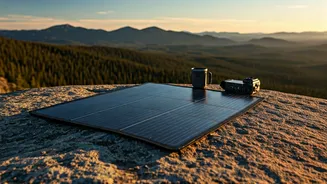
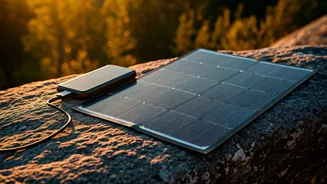
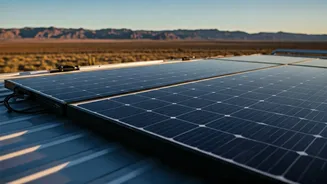
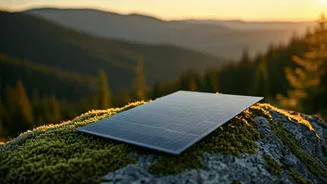
When most of us picture a solar panel, we think of a rigid, heavy, glass-covered rectangle. Flexible solar films are completely different. Instead of thick silicon wafers, they use a technology called thin-film photovoltaics. A super-thin layer of solar-active
material is printed or deposited onto a flexible backing, like plastic or metal foil. This creates a panel that is lightweight, durable, and can be bent or rolled up. Think of it less like a glass window and more like a high-tech, power-generating laminate sheet. This fundamental difference in construction is what unlocks a whole new world of possibilities for harnessing the sun's energy, especially in places where traditional panels simply won't fit.
The Key Advantage: Bending the Rules of Solar
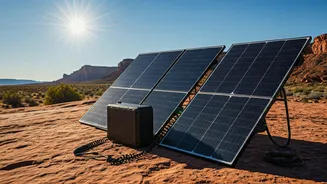
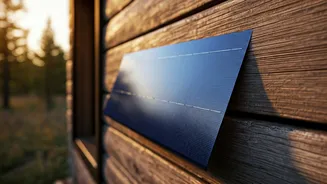
The primary superpower of these films is their versatility. Because they are lightweight and pliable, you can install them almost anywhere. Traditional panels need sturdy, flat mounting racks. Flexible films, however, can be glued or affixed directly to curved surfaces. This makes them ideal for the roofs of caravans and campervans, the deck of a boat, or even a durable trekking backpack. Their low weight also means you don't need to worry about heavy structural support. Furthermore, they are often more durable in certain situations. With no glass to shatter, they can withstand impacts and vibrations better than their rigid counterparts, making them a rugged choice for mobile applications and portable power kits.
From Sunlight to Stable Electricity
The headline's promise of "clean voltage" is crucial. A solar panel on its own only produces raw DC electricity, which fluctuates with the intensity of the sun. To turn this into stable, usable power for your devices, you need a complete system. First, a charge controller is essential. It sits between the solar film and a battery, regulating the voltage to prevent overcharging and extend the battery's life. The battery, typically a deep-cycle lead-acid or a more modern lithium-ion unit, stores the energy for use when the sun isn't shining. Finally, an inverter converts the stored DC power from the battery into the 230V AC power that most household appliances in India run on. This complete setup—panel, controller, battery, and inverter—is what delivers the clean, reliable off-grid electricity you need.
Practical Uses Across India
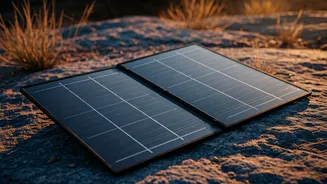
In the Indian context, the applications are vast and practical. For those living in remote areas with unreliable grid access, a flexible solar setup can power lights, fans, and charge phones. For the growing community of road-trippers and van-lifers, these films can power a small fridge, laptops, and cooking appliances without needing to find a power source. They are also perfect for agricultural use, powering water pumps or electric fences in the middle of a field. Even for city dwellers, a small, portable flexible panel can be a fantastic emergency backup during power cuts or a convenient power source for camping and outdoor trips.
What to Consider Before Investing
While flexible solar films are innovative, they come with trade-offs. Their main limitation is efficiency. Per square foot, they typically generate less power than high-quality rigid monocrystalline panels. This means you might need a larger surface area to produce the same amount of wattage. Their lifespan can also be shorter than the 25-year-plus standard of many rigid panels, though technology is constantly improving. When shopping, pay close attention to the wattage rating, the material (some thin-film types are more efficient than others), and the warranty. Your choice should depend on your specific needs: if portability and installation on a curved surface are your top priorities, flexible film is an excellent choice. If you have ample flat space and want maximum power output, a traditional rigid panel might still be the better option.