





Why Your Chair Is the Culprit
The human body is designed for movement, but modern work often forces it into a static, seated position for hours. This prolonged sitting places significant, sustained pressure on the lumbar spine. It compresses the cushioning discs between your vertebrae,
shortens the hip flexor muscles at the front of your pelvis, and allows the crucial glute and core muscles that support your spine to weaken. Over time, this combination of compression and muscle imbalance leads to stiffness, poor posture, and the chronic lower back pain that plagues so many office workers.
The Power of Simply Standing Up
The most effective antidote to static sitting is regular movement. You don't need a full workout; short, targeted mobility breaks are incredibly effective. Standing routines work by interrupting the negative cycle of sitting. They decompress the spinal discs, encourage blood flow, and gently move your spine and hips through ranges of motion they've been denied. By regularly performing these movements, you can release accumulated tension, restore your spine's natural curve, and reactivate the muscles needed for healthy posture, effectively preventing pain before it starts.
Exercise 1: Standing Lumbar Extension
This movement directly counters the forward slouch common in sitting. Stand with your feet shoulder-width apart and place your hands on your lower back or hips for support. Gently and slowly arch your lower back, pushing your hips slightly forward and looking toward the ceiling. Hold this gentle extension for 3-5 seconds, feeling a mild stretch. Return to the starting position. Repeating this 5-10 times helps restore the natural curve of your lumbar spine and can provide immediate relief from compression.
Exercise 2: Standing Side Bends
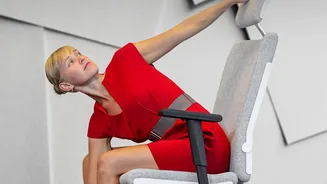
Sitting doesn't just affect you front-to-back; it also limits side-to-side movement. Stand with your feet comfortably apart, keeping your core engaged. Raise one arm straight overhead and gently bend your torso to the opposite side, feeling a stretch along your flank. Hold for 15-20 seconds without leaning forward or backward. Return to the center and repeat on the other side. This mobilises the sides of your trunk and the supporting muscles around the spine, relieving stiffness.
Exercise 3: Standing Hip Flexor Stretch
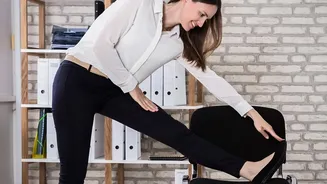
Tight hip flexors are a major contributor to lower back pain because they pull the pelvis forward, straining the lumbar spine. To stretch them, step one foot back into a small lunge position. Keep your back straight and gently press your hips forward until you feel a stretch at the front of the hip of your back leg. Be careful not to arch your lower back. Hold for 20-30 seconds on each side. This helps lengthen the muscles that become shortened and tight from hours of sitting.
Making Mobility a Habit
The key to success is consistency. The goal isn't one long session, but frequent, small breaks. Set a timer to stand up every 30 to 60 minutes. Use the time to perform one or two of these stretches. You can do them while waiting for a document to print, during a phone call, or while your coffee brews. Integrating these small moments of movement into your workday will feel less like a chore and more like a natural rhythm. Over a few weeks, you'll likely notice less stiffness when you stand up and more energy at the end of the day.