






The Rise of Premium Pet Dining
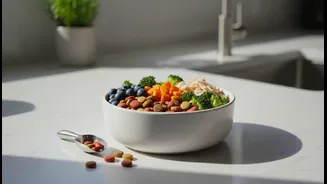
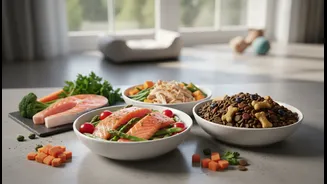
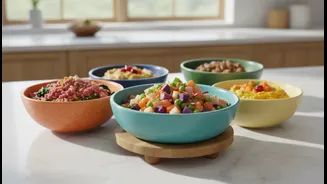
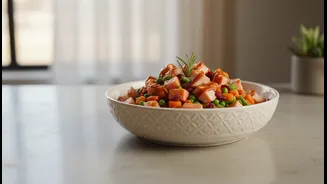
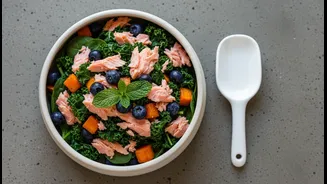
In recent years, the pet food aisle has transformed. Where once there were only sacks of brown kibble, there are now refrigerators and freezers stocked with meals that look good enough for humans to eat. This new wave of ‘gourmet’ pet food includes fresh,
human-grade, and minimally processed options. They promise superior ingredients, higher digestibility, and fewer fillers. Driven by a desire to provide the best for their animal companions, many Indian pet owners are embracing these premium diets, believing they are a direct path to better health and a shinier coat. And in many ways, they're not wrong—quality ingredients matter. But there's a crucial piece of the puzzle many are missing.
The Calorie Density Trap
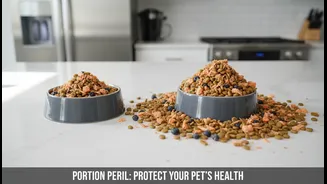
Here's the problem: gourmet and fresh pet foods are often much more calorically dense than traditional dry kibble. For instance, dry kibble typically contains 300-400 calories per 100 grams, whereas fresh food might seem lower at 80-120 calories for the same weight. The difference is moisture content. When you compare them on a dry matter basis, the energy difference narrows. Many owners switching to a new, richer food continue to serve the same volume they always have, not realizing that a single scoop now contains significantly more calories. This simple mistake of ‘eyeballing’ portions can lead to overfeeding, even when you think you're making a healthier choice.
The Serious Risks of a Few Extra Pounds
Pet obesity is a serious medical condition, not just a cosmetic issue. An overweight pet is at a much higher risk for a host of debilitating and life-shortening diseases. These include diabetes, pancreatitis, heart and respiratory problems, and painful arthritis from the extra strain on their joints. Excess weight can decrease their stamina, make them less tolerant to heat, and even reduce their overall quality of life. What starts as an act of love—giving them the 'best' food—can inadvertently lead to significant health issues if not managed with care and precision.
Why You Can't Trust the Bag
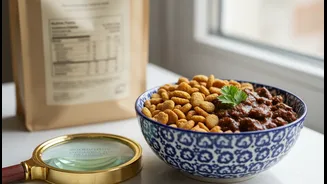
Most pet owners rely on the feeding guidelines printed on the food packaging. However, veterinarians widely agree that these charts are often inaccurate and should only be used as a starting point. These recommendations are typically calculated for an 'average' pet, which doesn't account for your specific animal’s breed, age, activity level, or whether they've been spayed or neutered—all of which dramatically affect their caloric needs. Studies have shown these guidelines can overestimate a pet's needs, in some cases by as much as 60%. Relying solely on the bag is one of the most common ways that well-meaning owners contribute to their pet's weight gain.
Finding the Right Portion Size
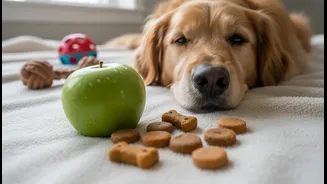
So, how do you get it right? The most accurate method is to work with your veterinarian. They can help you determine your pet's ideal body condition and calculate their specific daily calorie requirement, known as the Resting Energy Requirement (RER). For ultimate accuracy, weighing your pet’s food with a kitchen scale is the gold standard, as measuring cups can be surprisingly imprecise. A study found that owners using measuring cups could be overfeeding by as much as 152%. Remember to also account for any treats, which should make up no more than 10% of their total daily calorie intake. By taking these steps, you can ensure your pet enjoys all the benefits of their gourmet diet without the associated risks.