


An Aspirational Arrival
Like many Western culinary trends, cheesecake first arrived in India on a pedestal of exclusivity. In the 1980s and 90s, it was a dessert found primarily in the hallowed halls of five-star hotels. For most Indians, it was a mysterious, sophisticated treat—a
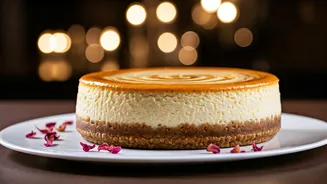
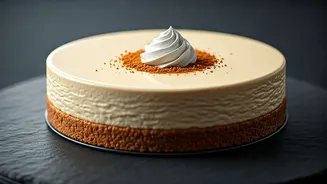
baked cake made of cheese that wasn't paneer. Its price tag and location made it an aspirational food item, a symbol of global travel and Western luxury. The classic New York-style cheesecake, dense and tangy with a simple biscuit base, was the standard. It was delicious, but it was also foreign, a dessert you tried on a special occasion, cementing its status as a celebratory indulgence rather than an everyday treat.
The Cafe Culture Catalyst
The real turning point for cheesecake came in the early 2000s with the explosion of cafe culture across urban India. Chains and standalone cafes created a new 'third space' for young, urban Indians. These spots democratised Western food, taking it from the stuffy dining rooms of luxury hotels and putting it into a casual, accessible context. Suddenly, cheesecake wasn't just for anniversaries at The Oberoi; it was for a post-college hangout or a first date. Cafes like Delhi's iconic The Big Chill became famous for their desserts, with their blueberry and New York cheesecakes becoming legendary. This shift made cheesecake a regular part of the urban culinary vocabulary, transforming it from a rare luxury into an affordable, everyday indulgence.
The Perfect Canvas for Indian Flavours
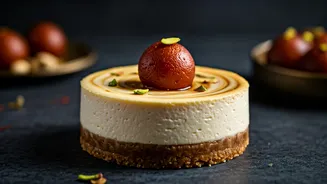
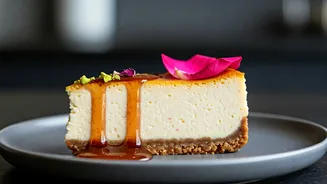
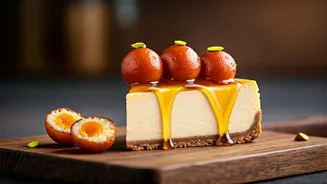
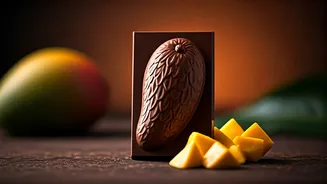
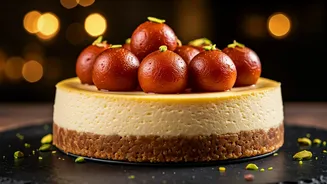
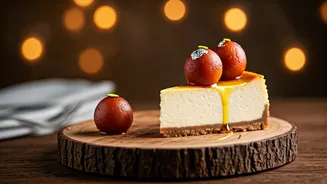
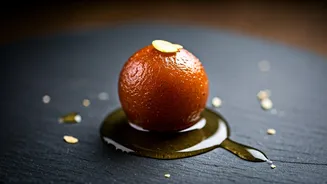
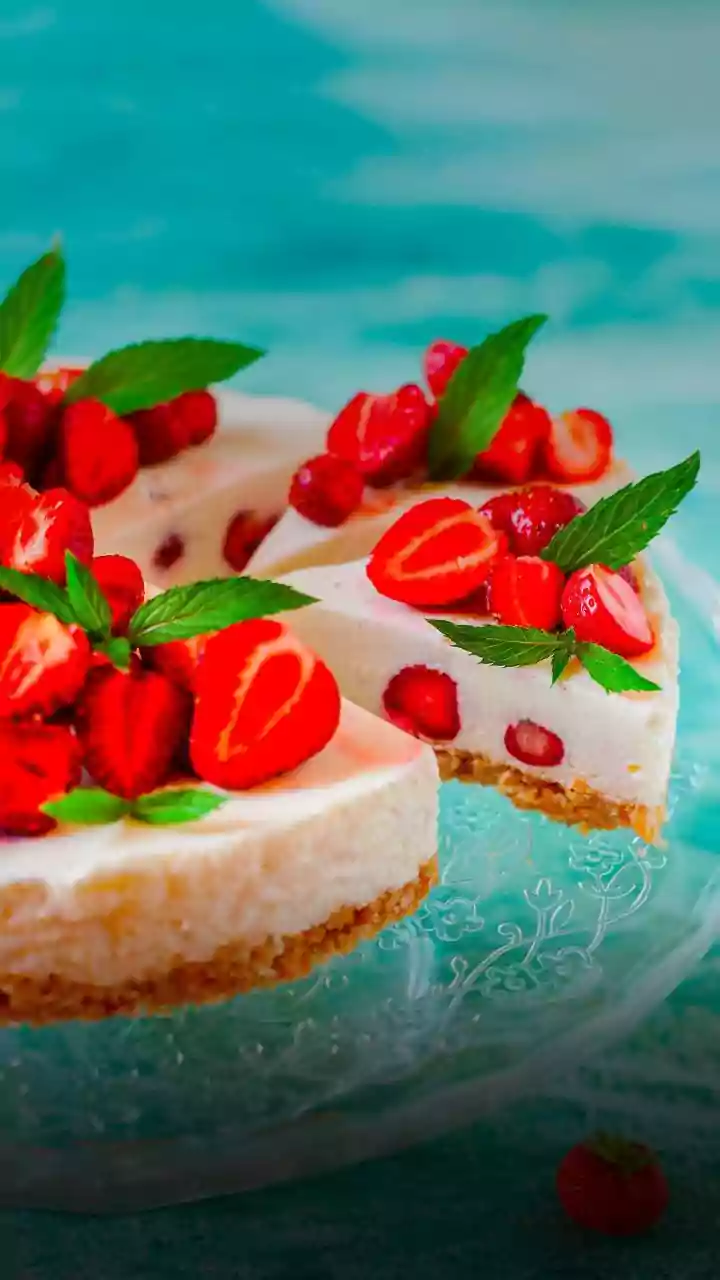
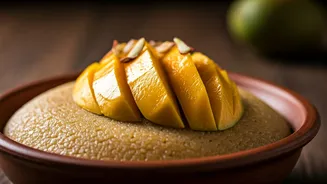
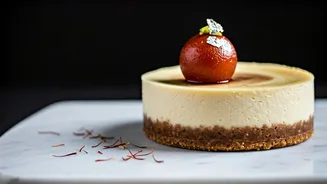
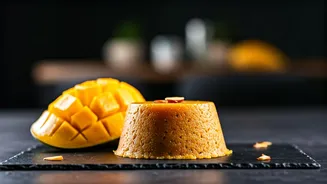
Perhaps the biggest secret to cheesecake's enduring reign is its incredible adaptability. While the classic New York style remains a favourite, the dessert's mild, creamy base proved to be the perfect canvas for Indianisation. Chefs and home bakers began to experiment, infusing the Western classic with familiar, beloved desi flavours. Soon, menus were filled with Mango Cheesecake in the summer, Thandai Cheesecake for Holi, and the now-ubiquitous Gulab Jamun and Rasmalai Cheesecakes for festive seasons. This fusion was genius. It took a foreign dessert and cloaked it in the comfort of nostalgia, making it feel both excitingly modern and deeply familiar. It bridged the gap between a global trend and local taste, ensuring it resonated with a much wider audience beyond the metros.
The Rise of the Home Baker
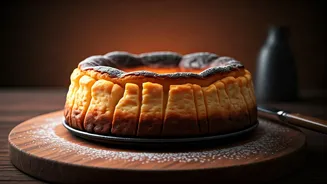
The final act in cementing cheesecake’s dominance came with social media and the home baking boom, supercharged by the pandemic. Cheesecake is inherently photogenic—the smooth top, the distinct layers, the glossy fruit compote. It was made for Instagram. As food delivery apps became the norm, artisanal, home-based bakeries flourished, many specialising in decadent cheesecakes. Suddenly, you could get a Basque burnt cheesecake or a Japanese cotton cheesecake delivered to your door. The 'no-bake' version also became wildly popular, as it required no oven and was relatively simple for amateur cooks to try. This accessibility brought cheesecake directly into our homes, making it not just something you buy, but something you can create. It completed its journey from a foreign delicacy to a domestic darling.