


The End of the Catalogue Home
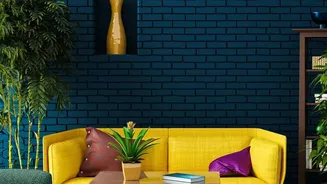
For years, modern Indian interior design often meant replicating a look from a catalogue or a social media feed. Think matching sofa sets, generic wall art, and a neutral palette that, while safe, lacked personality. Homeowners are now consciously moving
away from these 'algorithm homes', where trends dictated a sterile uniformity. The focus is shifting from rooms styled for a photograph to spaces designed for living. This means a move away from fast-furniture and the constant need to refresh, towards investing in fewer, better pieces that hold meaning.
A Story in Every Corner
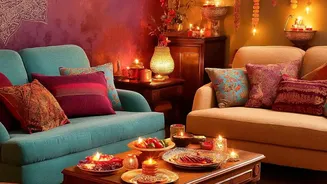
The new Indian home tells a story. It's a living museum of its inhabitants' lives, where every object has a purpose and a past. This new approach, often called 'maximalism' or 'eclectic design', is not about creating clutter, but about curated abundance. It’s in the art collected during travels, the brass lamp inherited from a grandparent, a classic wooden swing (jhoola) re-contextualized in a modern living room, or a gallery wall of family photographs. The goal is to create a space that feels emotionally resonant and deeply personal, where heirlooms sit comfortably next to contemporary finds.
The 'Indian' in Modern Design
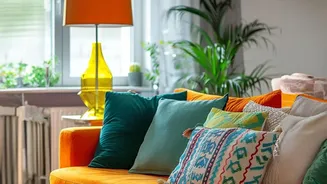
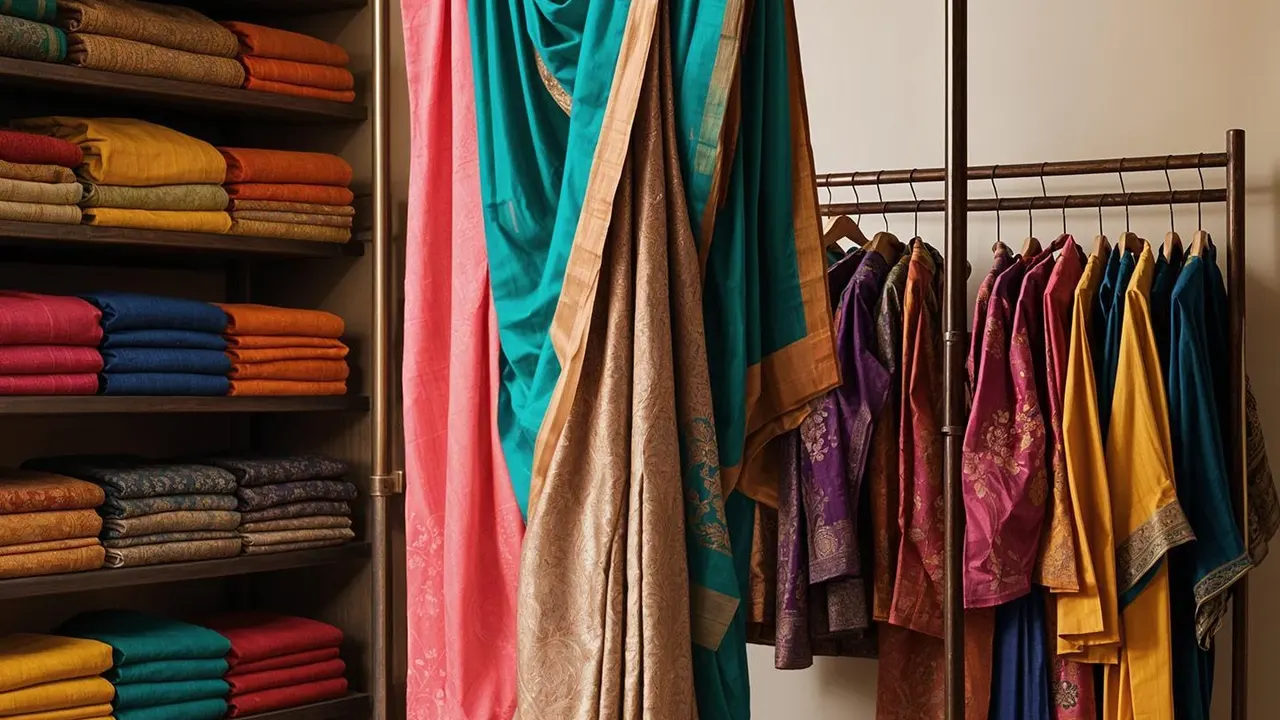
This personalisation has sparked a renewed appreciation for indigenous craftsmanship. Homeowners are looking inwards, celebrating the rich diversity of Indian artistry. Mass-produced prints are being swapped for single, statement pieces of Madhubani or Warli art. Handwoven textiles, intricate wood carvings, and traditional patterns are being integrated into clean, modern layouts. This isn't about creating a museum of traditional crafts, but about a tasteful fusion that feels both contemporary and rooted. Think a sleek, minimalist sofa adorned with colourful Kantha cushions or a modern dining table paired with a vintage brass chandelier.
Warmth, Texture, and Nature
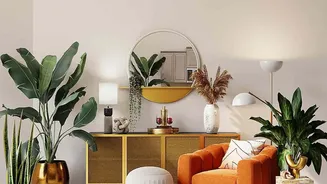
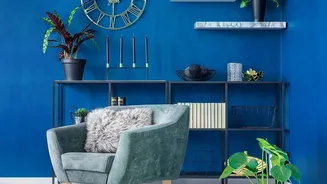
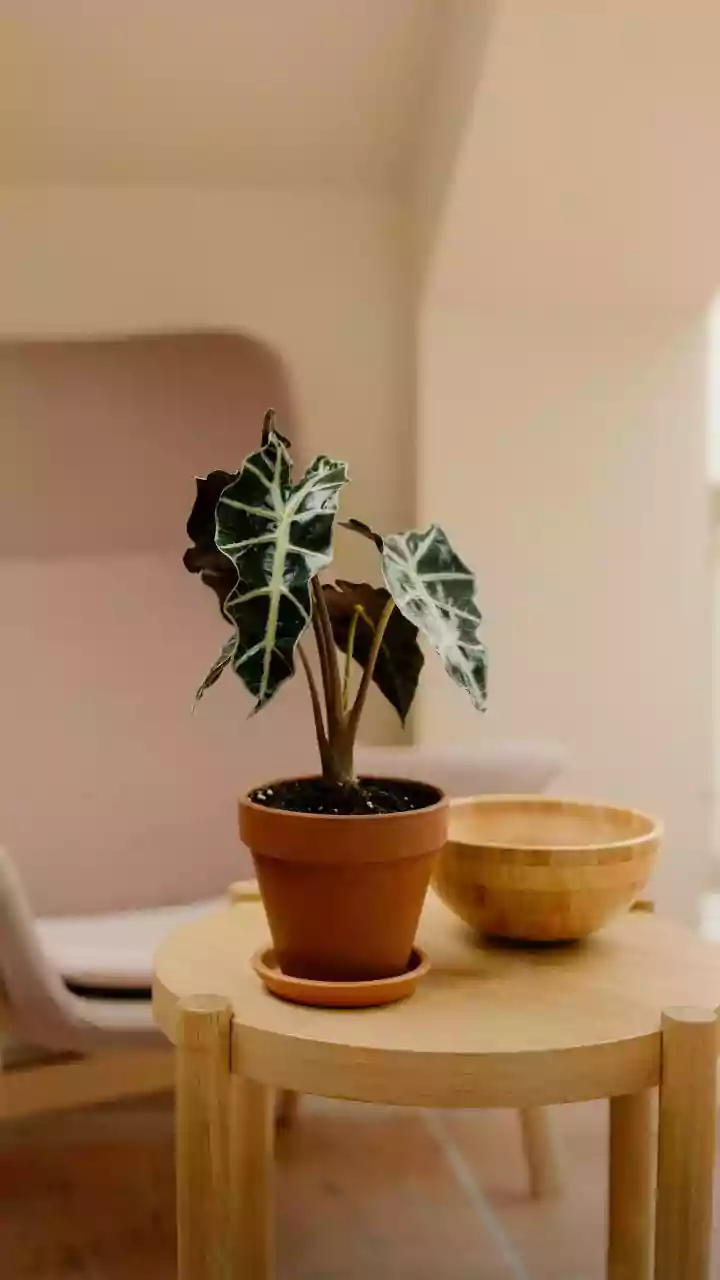
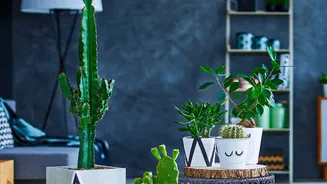
The colour palette is also changing. The cold, clinical greys and stark whites that dominated the past decade are being replaced by warmer, earthier tones. Terracotta, olive green, sandy beiges, and other natural hues are finding favour, creating spaces that feel grounded and soothing. This is complemented by a focus on texture—the roughness of a jute rug, the smooth coolness of unpolished stone, and the soft feel of linen curtains. Biophilic design, which involves bringing nature indoors through plants and natural materials, is another key aspect, helping to cultivate a serene environment in bustling urban homes.
Designed By You, For You
Ultimately, this trend is about empowerment. It's a move towards conscious consumption and a rejection of the idea that a beautiful home has to conform to a single, prescribed aesthetic. By commissioning local artisans for bespoke furniture or seeking out unique handmade decor, people are not just decorating, they are co-creating their environment. They are building spaces that evolve with them, reflecting their passions, memories, and unique identity. It's a shift from a house that is simply occupied to a home that is truly inhabited.