





The Core Problem: Post-Harvest Loss
Imagine growing delicious, ripe pineapples, kiwis, or oranges, only to see a large fraction spoil before they can even reach a distant market. This is the reality for many farmers in Arunachal Pradesh. Due to a lack of immediate storage facilities and
challenging transportation, post-harvest losses can be substantial, with some estimates suggesting that 25% to 30% of certain fruit crops are lost. This not only represents a massive waste of food but also a direct hit to the incomes of farmers who are sometimes forced to sell their produce at very low prices to avoid total spoilage. This issue is not unique to the state; India as a whole grapples with significant post-harvest losses, which erodes food security and economic potential.
What is Value Addition, Anyway?
This is where "value addition" comes in. It's a simple but transformative concept. Value addition is the process of taking a raw agricultural product and changing its physical state to create something more long-lasting, convenient, or marketable. Think of it like this: a fresh tomato has a short shelf life. But when it's processed into tomato paste, ketchup, or a can of purée, its shelf life extends from days to months. That's value addition. Other examples include turning fresh fruits into juices, jams, or dried snacks; milling grains into flour; or packaging and branding produce in a way that enhances its market appeal. By doing this, you're not just preserving the food; you're adding economic value and making it resilient to the challenges of time and distance.
Enter the Mega Food Park
The Rongoge Mega Food Park at Dolikoto, near Banderdewa, is designed to be a central hub for exactly this kind of transformation. Developed under the Ministry of Food Processing Industries, it operates on a 'hub-and-spoke' model. The 'hub' is the Central Processing Centre (CPC), a large area equipped with shared, modern infrastructure. The 'spokes' are the Primary Processing Centres and Collection Centres located in different agricultural zones, which collect produce from farmers and perform initial sorting, grading, and cold storage. This entire network is built to link agricultural production directly to processing and then to the market, creating an efficient supply chain. The park, located on a 75-acre plot, provides ready-to-use facilities that individual small and medium-sized entrepreneurs would find difficult to afford on their own.
How the Park Fights Waste
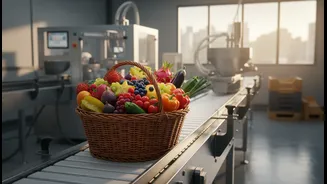
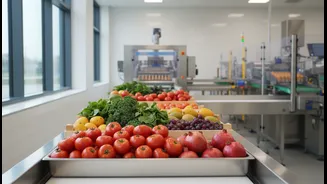
The Mega Food Park provides the critical infrastructure needed to add value and stop waste in its tracks. The park features facilities like multi-chamber cold storage, ripening chambers, warehouses, and automated sorting and grading lines. When perishable items like pineapple, kiwi, or even bamboo shoots arrive, they can be immediately sent to a processing line. Fruits can be turned into pulp, juice, or canned products using tetra-packaging and canning lines. Vegetables can be cleaned, cut, and rapidly frozen using Individual Quick Freezing (IQF) technology, which preserves their freshness and nutritional value for months. By converting fresh produce into processed goods, the park directly tackles the problem of spoilage, extending shelf life and ensuring that what is grown is ultimately consumed.
More Than Just Waste Reduction
The benefits of this model go far beyond preventing waste. For farmers, the food park creates a reliable and structured market for their produce, often leading to better and more stable prices. For entrepreneurs, the government provides significant financial support—up to 75% of costs as grants for setting up units in difficult and hilly areas like Arunachal—making it easier to start a food processing business. This is expected to attract major private investment, with around 35 industrial units, including well-known companies, projected to set up operations in the park. This flurry of activity is anticipated to generate thousands of direct and indirect jobs, boosting the local economy and promoting long-term economic self-reliance for the state.