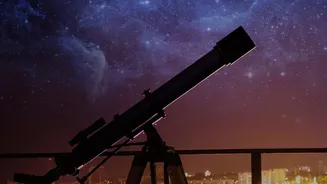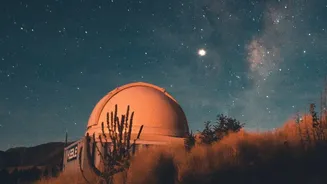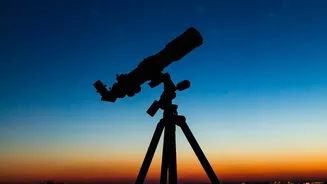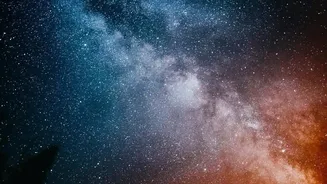




The crisp, clear nights of November offer some of the year's most stunning celestial sights. But the dropping temperatures can quickly turn a magical experience into a shivering ordeal. Here’s what to look for and how to stay warm.
Your November Night Sky Guide
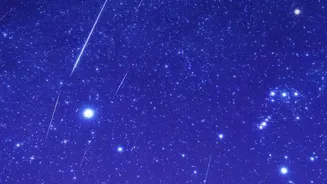
November is a fantastic
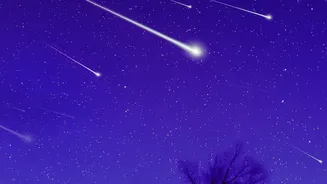
month for stargazers in India, marked by meteor showers and clear views. The long nights provide an ample window to witness these events. First, look for the Taurid meteor showers. This is a dual event: the Southern Taurids peak around November 4-5, followed by the Northern Taurids on November 11-12. While not a heavy shower, the Taurids are famous for producing exceptionally bright and slow-moving meteors known as fireballs. The moon will not significantly interfere, offering great viewing conditions. Later in the month, the famous Leonid meteor shower peaks on the night of November 17-18. Caused by debris from Comet Tempel-Tuttle, the Leonids are known for their fast, bright meteors that can leave glowing trails. This year, you can expect to see 10-15 meteors per hour in a dark sky, and the moon will set early, leaving the prime viewing hours after midnight dark and clear. Finally, the month’s full moon, known as the Beaver Moon, occurs on November 24.
The Chilling Challenge of Stargazing
The primary enemy of a dedicated stargazer isn't a cloudy sky—it's the cold. Unlike active sports like hiking or skiing, stargazing involves long periods of sitting or standing still. During this inactivity, your body generates very little heat, making you susceptible to the cold much faster. Shivering doesn't just make you uncomfortable; it makes it impossible to hold binoculars steady or focus on faint celestial objects. Cold can drain your energy and patience, cutting short what should be a peaceful and awe-inspiring session. Understanding that you will feel colder than the forecast suggests is the first step to a successful night under the stars. Proper preparation is the only way to ensure you can comfortably enjoy the hours-long spectacle.
Master the Three-Layer System
The secret to staying warm is not one big, bulky coat, but a strategic, three-layer system that traps air and manages moisture. Start with a base layer. This is the layer against your skin, and its job is to wick sweat away. Never wear cotton; opt for synthetic materials like polyester or natural merino wool that keep you dry. Next is the mid-layer, which provides insulation. This is your heat-trapper. A fleece jacket, a down vest, or a thick wool sweater works perfectly. You can even use multiple mid_layers for extra warmth. Finally, the outer layer, or shell, protects you from the elements. A windproof and water_resistant jacket is crucial, as wind can strip away warmth instantly. This system allows you to add or remove layers to perfectly regulate your temperature as conditions change.
Accessorise for All Night Comfort
Your core clothing is just the start. The majority of body heat is lost through your extremities, so covering them properly is non_negotiable. A warm hat or beanie that covers your ears is essential. For your hands, consider a dual approach: thin liner gloves for dexterity when using your phone or telescope, with a pair of thick, insulated mittens to wear over them. Your feet are especially vulnerable when standing on cold ground. Avoid cotton socks at all costs and choose warm, wool_blend socks instead. Wear insulated, waterproof boots to keep your feet warm and dry. Hand and foot warmers are an inexpensive and highly effective way to add hours of comfort to your night.
Beyond the Wardrobe: Essential Comforts
A few extra items can transform your stargazing experience from an endurance test into a cozy outing. Bringing a thermos filled with a hot beverage like tea, coffee, or hot chocolate provides a welcome internal heat source. Don't forget something to sit on. A reclining camping chair or even just a thick blanket or mat will insulate you from the cold ground. Many stargazers bring multiple blankets—one to lie on and another to wrap up in. Lastly, to protect your night vision, use a red light torch or headlamp. A single flash of white light from a standard torch or phone screen can ruin your eyes' dark adaptation for up to 30 minutes, making it harder to see faint meteors and stars.