






The Allure of Feathered Hair
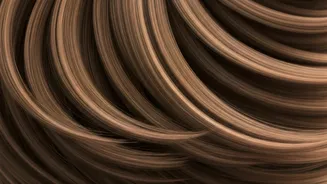
First popularised in the 1970s, feathered hair is defined by its soft, wispy texture, created by cutting the hair in a way that gives the ends a light, feathery appearance. Unlike a standard layered cut which creates distinct tiers of different lengths
throughout the hair, feathering is a texturizing technique focused on the ends. The stylist holds the scissors at an angle, thinning out the ends to reduce bulk and create a soft, flowing movement that resembles the texture of a bird's feather. This technique results in an airy, voluminous style that adds dimension and a sense of lightness, making it a fantastic choice for those looking to add body to their hair without sacrificing length.
The Magic of Face-Framing Layers
Face-framing layers are exactly what they sound like: strategically cut sections of hair around the face designed to highlight your best features. These layers are tailored to your specific bone structure, drawing attention to your eyes, cheekbones, or jawline. Typically starting around the chin or cheekbones, they blend seamlessly into the rest of the hair, providing softness and movement. This technique is incredibly versatile and can be adapted for any hair length or type. It's like a contour kit for your hair, capable of softening sharp angles on a square face, elongating a round face, or balancing a heart-shaped face.
A Perfect Partnership in Style
The headline's claim holds true because these two techniques solve different problems in a complementary way. Feathering provides all-over softness, texture, and volume, preventing the hair from looking heavy or flat. Face-framing layers, on the other hand, provide structure and personalised contouring right where it matters most—around your face. When combined, the feathering technique can be applied to the face-framing layers themselves, creating a soft, blended transition that feels both intentional and effortlessly natural. The result is a hairstyle with beautiful movement, dimension, and a built-in ability to flatter your unique features. The overall effect is polished, sophisticated, and surprisingly low-maintenance.
Will This Look Suit You?
The beauty of this combination is its versatility. It's almost universally flattering because it can be completely customised. For oval faces, which are naturally balanced, the options are nearly limitless. If you have a round face, longer face-framing layers that start below the chin will create an elongating effect. For square faces, soft, feathered layers can soften the strong jawline. Heart-shaped faces benefit from layers that begin at the cheekbones to add width to the lower half of the face. In terms of hair type, this style works wonders. For fine hair, feathering adds the illusion of volume. For thick hair, it expertly removes bulk, making the hair lighter and more manageable.
Talking to Your Hairstylist
Clear communication is key to getting the cut you want. Don't just ask for “layers.” Use specific language. Explain that you want soft, 'feathered' ends for movement and volume, combined with 'face-framing layers' to highlight your features. It’s incredibly helpful to bring inspiration photos. Be sure to discuss where you want the shortest face-framing layer to start—for example, at the chin or cheekbone. Talk to your stylist about your face shape and which features you'd like to accentuate. A good stylist will be able to tailor the cut precisely to your hair type and bone structure, ensuring you walk out with a look you love.
Styling and Maintenance at Home
One of the best aspects of this haircut is that it’s designed to look great with minimal effort. To style, apply a volumizing mousse to damp hair before blow-drying with a round brush. As you dry the face-framing sections, roll the brush away from your face to encourage that classic feathered flick. A light texturizing spray can be used on dry hair to enhance the separation and movement of the layers. While the cut is relatively low-maintenance, you’ll want to book trims every 6-8 weeks to keep the ends fresh and the layers sharp, preventing the style from looking weighed down.