




1. Choose Your Destination Wisely
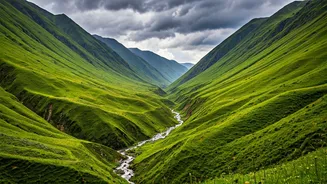
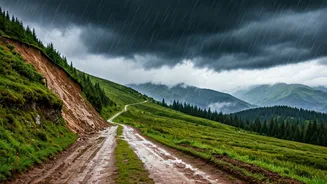
Not all hill stations are created equal, especially during the monsoon. While the misty landscapes of Uttarakhand and Himachal Pradesh are tempting, these regions are often highly susceptible to landslides and flash floods. Consider destinations with
better infrastructure and lower geological risks. The Western Ghats, for instance, offer spectacular monsoon scenery in places like Lonavala, Mahabaleshwar, Coorg, and Munnar. These areas are accustomed to heavy rain, and local authorities are generally well-prepared. Similarly, parts of the Aravali Range, like Mount Abu, or the hills of Meghalaya, known for rain, can be more manageable. Do your research: look for news reports from previous years to understand a region’s monsoon history before you book.
2. Prioritise Real-Time Information
A weather forecast from a week ago is useless. Monsoon weather is notoriously fickle. Use reliable, real-time weather apps like AccuWeather or The Weather Channel, but don’t stop there. Your best source of information is local. Follow the social media accounts of the local police and district administration for the area you’re visiting. They post real-time updates on road closures, weather warnings, and safety advisories. Before setting off for a long drive, especially on hilly roads, make a quick call to your hotel or a local taxi service to ask about the current conditions. They will have the most accurate, ground-level information.
3. Rethink Your Transport
Self-driving into the mountains during monsoon might seem adventurous, but it can be extremely risky if you’re not familiar with the terrain. Roads can be slippery, visibility can drop to near zero in minutes, and you won't know which stretches are prone to waterlogging or falling rocks. A far safer option is to hire an experienced local driver. These drivers navigate these routes daily; they know the safe speeds, the risky corners, and the alternate routes. If you are driving, ensure your vehicle is in top condition—check your tyres, brakes, wipers, and headlights. Avoid driving at night at all costs. The dangers are magnified after dark when it’s harder to spot hazards on the road.
4. Pack for Possibilities, Not Just Plans
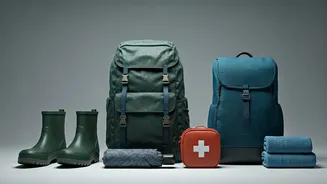
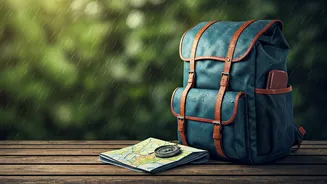
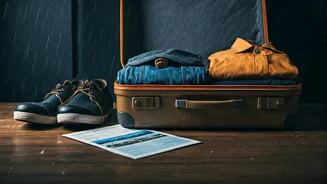
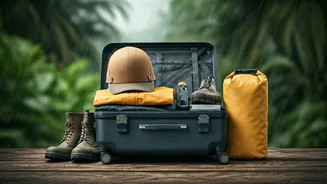
Your monsoon packing list needs to go beyond a raincoat and an umbrella. The biggest ‘bad surprise’ is getting stranded. Pack for that possibility. This means carrying a fully charged power bank (or two), a robust first-aid kit with basic medicines, and some non-perishable snacks and extra water. Quick-dry clothing is a lifesaver, as jeans and heavy cotton can take days to dry in the humid air. Pack waterproof bags or zip-locks for your electronics and wallet. A good pair of shoes with a strong grip is non-negotiable. Think of it as preparing for a minor, inconvenient adventure, which will ensure it doesn’t become a major, dangerous one.
5. Be Flexible and Know When to Wait
A monsoon holiday is not the time for a jam-packed, sight-a-minute itinerary. The weather is the true tour guide, and it might decide you’re spending an afternoon indoors. Embrace it. The point of a cloudy getaway is the atmosphere, not ticking off a list of viewpoints that may be invisible in the fog anyway. Build buffer days into your schedule. If the rain is relentless and the roads look unsafe, be prepared to extend your stay by a day or cancel a planned excursion. Trying to brave a storm to stick to a rigid schedule is the number one cause of travel mishaps. The mountain will still be there tomorrow.
6. Keep Your Connections Open
Inform a family member or friend about your detailed itinerary, including your hotel details and travel dates. Share your location with them via WhatsApp or another app when you have connectivity. Download offline maps of the area before you leave, as mobile networks can be unreliable in remote, hilly regions. Save the contact numbers of your hotel, your local driver, and the local emergency services (police, disaster management) on your phone. Having this information readily available can be crucial in an emergency. It's a simple step that adds a significant layer of security to your trip.