






The Rise of the AI Co-Pilot
We've all been there: you finish a brilliant brainstorming session, full of energy and great ideas, only to face the dreaded task of translating a mess of scribbled notes or a chaotic chat log into a coherent project plan. This administrative bottleneck
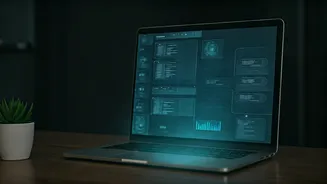
kills momentum and is where good ideas often go to die. Enter the AI workspace assistant. These aren't just chatbots or simple automation tools. They are sophisticated platforms that integrate into your digital workspace—be it Slack, Microsoft Teams, or Google Meet—acting as a silent, efficient participant. Their primary job is to listen, understand, and structure information, freeing up human team members to focus on the creative and strategic aspects of their work.
From Talk to Task List
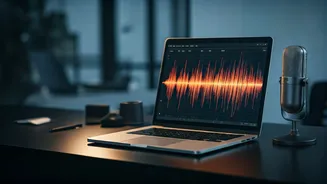
So how does it work? The process is a fascinating blend of several AI technologies. First, the assistant transcribes the entire meeting audio in real-time, creating a searchable text record. As it listens, it uses Natural Language Processing (NLP) to understand the context. It’s trained to identify key concepts, decisions, and, most importantly, action items. When someone says, “Anjali, can you get the Q3 sales report to me by Friday?” the AI doesn't just hear words; it recognises a task, an owner (Anjali), and a deadline (Friday). After the meeting, it automatically summarises the key discussion points and populates a project board in a tool like Trello, Asana, or Jira. It creates new cards for tasks, assigns them to the right people, and sets due dates, all based on the conversation it just processed. The messy, hour-long process of post-meeting admin is condensed into minutes.
Benefits Beyond Simple Speed
The most obvious benefit is a massive saving in time and effort. But the real value lies deeper. These tools create a perfect, unbiased record of what was discussed, eliminating the “he said, she said” that can plague projects. This single source of truth ensures everyone is aligned. Furthermore, AI can capture the fleeting ideas that might otherwise be lost. A junior team member’s quiet suggestion, which might not make it into the official minutes, is captured and can be reviewed later. For teams in India operating across different cities and time zones, this asynchronous alignment is a game-changer, ensuring that someone who couldn’t make a meeting can get up to speed instantly without having to watch a full-hour recording.
Don't Delete Your Notes App Yet
The headline’s command to “ditch note taking” is tempting, but premature. While these AI assistants are incredibly powerful, they are not flawless. They can struggle with thick accents, industry-specific jargon, or conversations with a lot of cross-talk. More importantly, AI lacks human intuition. It can’t read the room, understand the subtle hesitation before a decision is made, or grasp the unspoken strategic context behind a comment. The act of taking notes is also a cognitive process; it helps us listen actively and internalise information. Relying solely on AI could lead to more passive meeting participation. The best approach, for now, is to use these tools as a co-pilot. Let the AI handle the heavy lifting of transcription and task creation, while you focus on strategic listening and capturing the nuanced insights that only a human can.
The Future of Project Management
This technology represents a fundamental shift in how we manage work. As AI becomes more integrated into our daily tools, the distinction between communication and project management will blur. Conversations will seamlessly flow into structured workflows. This is particularly relevant for the fast-paced, tech-forward business environment in India, where agility and efficiency are paramount. Startups and large enterprises alike are constantly seeking ways to reduce friction and accelerate execution. Adopting AI assistants isn’t just about adopting a new tool; it’s about redesigning the process of work itself to be faster, smarter, and more collaborative.