


The All-Rounder: Cashew Paste
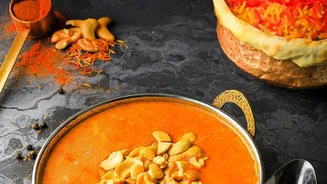
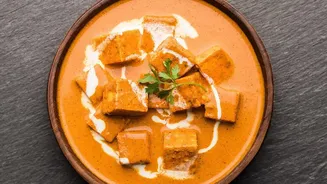
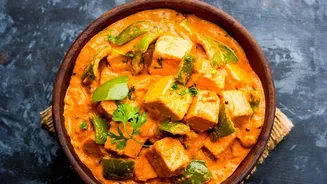
Cashew paste is a cornerstone of dairy-free Indian cooking, prized for its ability to create a luxuriously thick and creamy base with a neutral, slightly nutty flavour. It is the secret behind many restaurant-style kormas and butter chicken-style gravies.
To prepare it, simply soak raw cashews in hot water for at least 30-45 minutes, or overnight for an even smoother result. Drain the cashews and blend them with a small amount of fresh water until you achieve a silky, smooth paste. This paste can be added to your curry during the cooking process, where it will seamlessly blend in, thickening the sauce and balancing the spices without overpowering them. Its versatility makes it a perfect dairy-free substitute for fresh cream or malai in a wide range of dishes.
The Coastal Classic: Coconut Milk and Cream
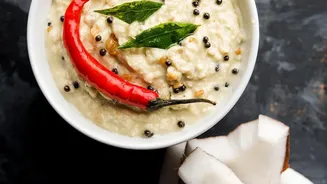
Coconut milk is a classic ingredient, especially in South Indian and Bengali cuisines, where it lends a distinct, subtly sweet flavour and creamy consistency. For a thicker, richer gravy, opt for full-fat coconut milk or even coconut cream. Adding coconut milk towards the end of cooking and simmering it gently will help thicken the curry without it splitting. It pairs exceptionally well with the flavours of turmeric, ginger, and curry leaves, making it ideal for vegetable stews, fish curries, and lentil dishes. While it provides incredible richness, be mindful that its flavour is more pronounced than cashew paste, so it's best used in recipes where its tropical notes are a welcome addition.
The Subtle Thickener: Almond Paste
Similar to cashews, almonds can be transformed into a creamy paste that serves as an excellent thickener. To make almond paste, soak blanched almonds in hot water, then blend them until smooth. Using blanched almonds results in a paler, more aesthetically pleasing gravy. Almond paste has a mild, neutral taste that allows the spices in the curry to shine, making it a great alternative in dishes where you want creaminess without the distinct flavour of coconut. It can be used in a variety of North Indian gravies, providing a rich texture that is both healthy and delicious.
The Seed Solution: Poppy and Melon Seeds
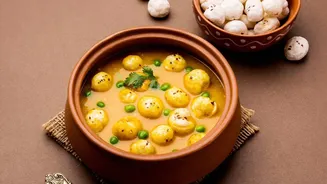
White poppy seeds, known as 'khus khus' or 'posto', are a traditional thickening agent, particularly in Bengali and other regional Indian cuisines. When soaked and ground into a fine paste, they add a unique nutty flavour and a thick, velvety body to gravies. Similarly, melon seeds, or 'magaz', are often used to create a creamy, neutral-flavoured base. A blend of four seeds—cucumber, pumpkin, watermelon, and cantaloupe—known as 'char magaz' is also popular for thickening curries. These seed pastes are fantastic for kormas and vegetable curries, offering a rich consistency that proves you don’t need nuts or dairy for a decadent sauce.
Beyond Nuts and Seeds: Other Clever Thickeners
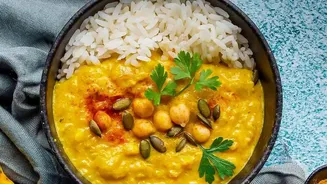
The foundation of many Indian gravies—a well-cooked onion and tomato paste—is a natural thickener in itself. Slowly sautéing onions until they are deeply browned and then cooking down tomatoes creates a flavourful and thick base. For an unexpected alternative, blended silken tofu can add a protein-rich, custard-like creaminess with a completely neutral flavour. Simply blend a block of silken tofu with a little water or plant-based milk until smooth and stir it into your curry. Another option is using a slurry made from cornstarch or arrowroot powder mixed with cold water, which can be stirred in at the end of cooking to quickly thicken a sauce. Lastly, plant-based yogurts made from soy, almond, or coconut can also be used, lending both creaminess and a slight tang, perfect for marinades or finishing a dish.