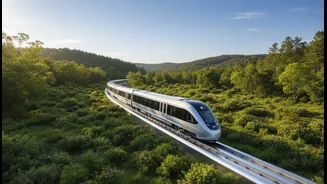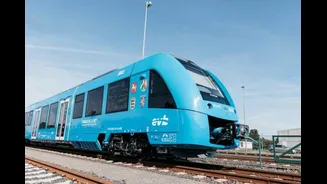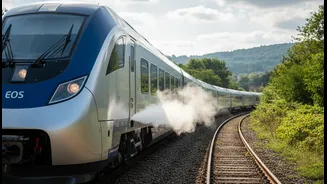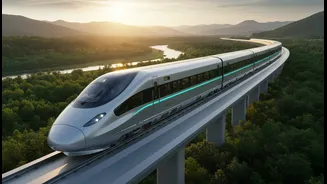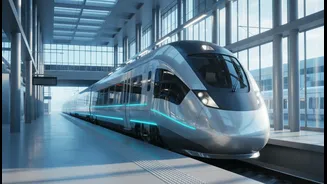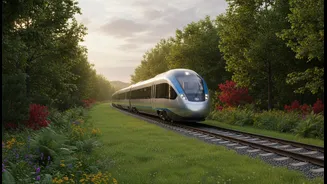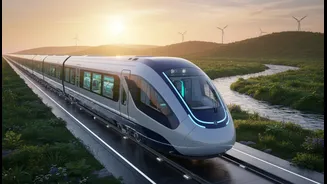








So, What Exactly Is a Hydrogen Train?
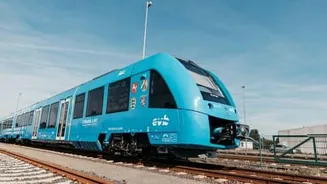
Think of a hydrogen train as an electric train that carries its own power plant. Instead of drawing electricity from overhead wires, it uses hydrogen fuel cells to generate power on board. These cells work by combining hydrogen, stored in tanks on the
train, with oxygen from the air. This electrochemical reaction produces electricity to power the motors, with the only byproduct being water vapour. This means no harmful emissions like carbon dioxide, nitrogen oxides, or particulate matter that are released by traditional diesel locomotives, making it an incredibly clean mode of transport.
India's First Hydrogen Train: The Jind-Sonipat Line
India's foray into this futuristic technology is set to commence on the Jind-Sonipat section in Haryana. Prime Minister Narendra Modi is expected to inaugurate the service on July 17, 2026. This 10-coach train, developed indigenously, has successfully undergone extensive trials. While designed for a maximum speed of 110 kmph, it will operate at 75 kmph on this nearly 90-kilometre route. After its launch, the train is scheduled to make two daily round trips, covering about 356 kilometres each day and offering a faster journey time compared to existing diesel services on the same line. To support this operation, a dedicated hydrogen production and refuelling facility has already been established in Jind.
The 'Hydrogen for Heritage' Vision
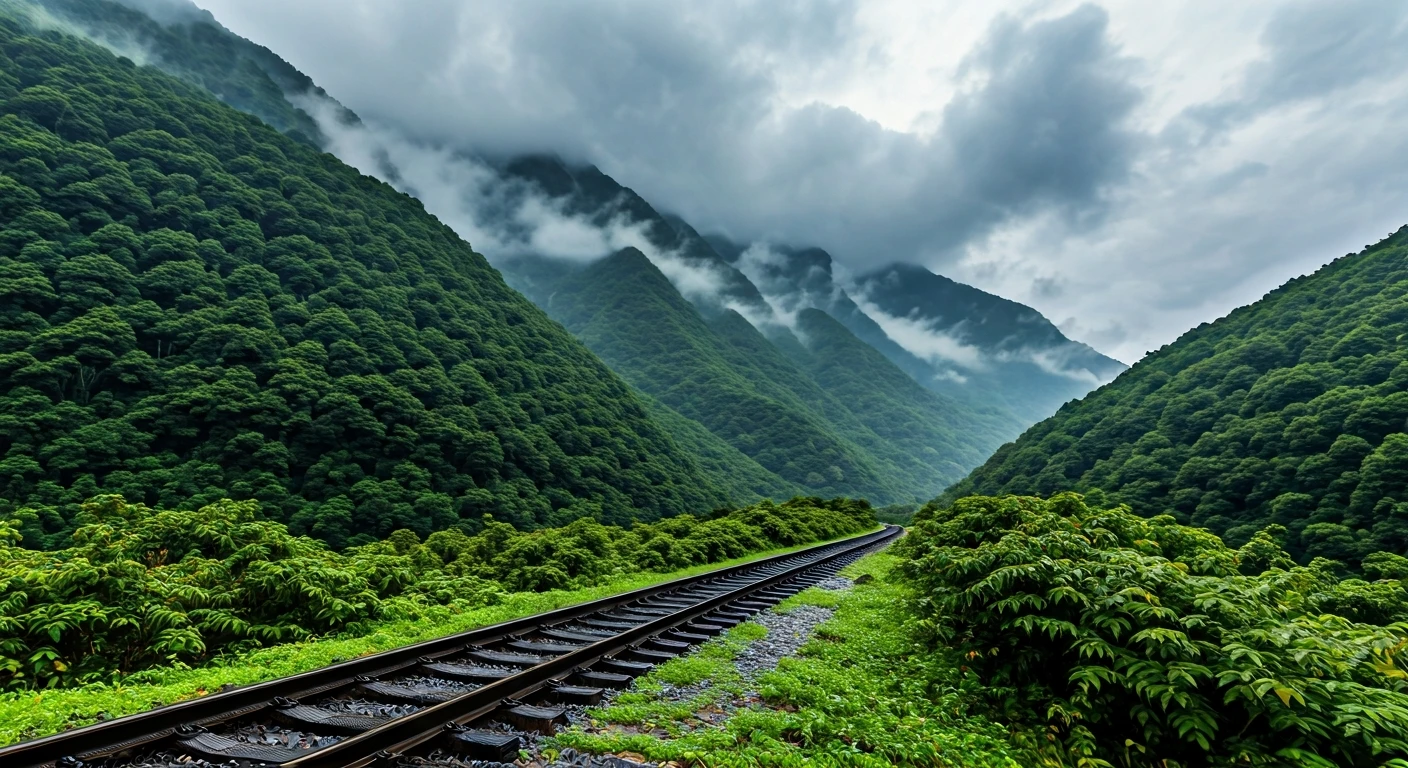
The Jind-Sonipat pilot project is a crucial part of a much grander plan called 'Hydrogen for Heritage'. Announced in the 2023 Union Budget, this initiative aims to run 35 hydrogen trains on select heritage and hilly routes across the country. These include iconic lines such as the Darjeeling Himalayan Railway, Kalka-Shimla Railway, and Nilgiri Mountain Railways. The goal is to replace ageing diesel trains on these ecologically sensitive corridors, preserving their charm while significantly reducing the carbon footprint and noise pollution. This not only aligns with India's 'Net Zero' emission targets but also enhances the tourist experience on these beloved routes.
The Environmental and Economic Equation
The primary advantage of hydrogen trains is their zero-emission operation, which directly improves air quality. Unlike battery-electric trains that require long charging times, hydrogen trains can be refuelled in as little as 15-20 minutes, offering operational flexibility similar to diesel trains. However, the climate benefit ultimately depends on how the hydrogen is produced. For the technology to be truly green, the hydrogen must be 'green hydrogen', created using renewable energy like solar or wind power. While the initial capital cost for these trains and the supporting infrastructure is high, the running costs are expected to decrease as more trains are introduced. Some studies suggest that over their lifetime, hydrogen trains could offer savings compared to their diesel counterparts.
Challenges and the Path Forward
Despite the promise, the journey to a hydrogen-powered rail network has its challenges. The initial cost of manufacturing the trains and setting up refuelling infrastructure is substantial. Ensuring a steady supply of green hydrogen is another critical hurdle to maximize the environmental benefits. Safety is also a paramount concern, and the new trains are equipped with advanced hydrogen leak detectors and fire detection systems to meet stringent international standards. The launch on the Jind-Sonipat line will serve as a real-world test, providing invaluable data on performance, cost, and operational practicalities. The success of this pilot will pave the way for wider adoption, potentially replacing thousands of diesel locomotives on routes where electrification is difficult or not cost-effective.